The Lunar Reconnaissance Orbiter (LRO) of the American space agency NASA has captured an image of the Chandrayaan-3 landing site. The spacecraft is currently near the moon’s south pole since its successful soft landing on August 23.

Chandrayaan-4 mission has received approval from the Union Cabinet, led by Prime Minister Narendra Modi, on Wednesday. This marks another significant milestone in India's lunar exploration efforts. Unlike previous missions, Chandrayaan-4 will not only aim for a successful landing on the Moon but will also focus on returning to Earth.

Indian Space and Research Organisation (ISRO) has released a fresh set of images from the Chandrayaan-3 mission, coinciding with the first anniversary of its successful landing on the Moon. These images, taken by the Vikram lander and Pragyan rover, showcase key moments from the mission, including Pragyan's attempts to imprint India's national emblem on the lunar surface.
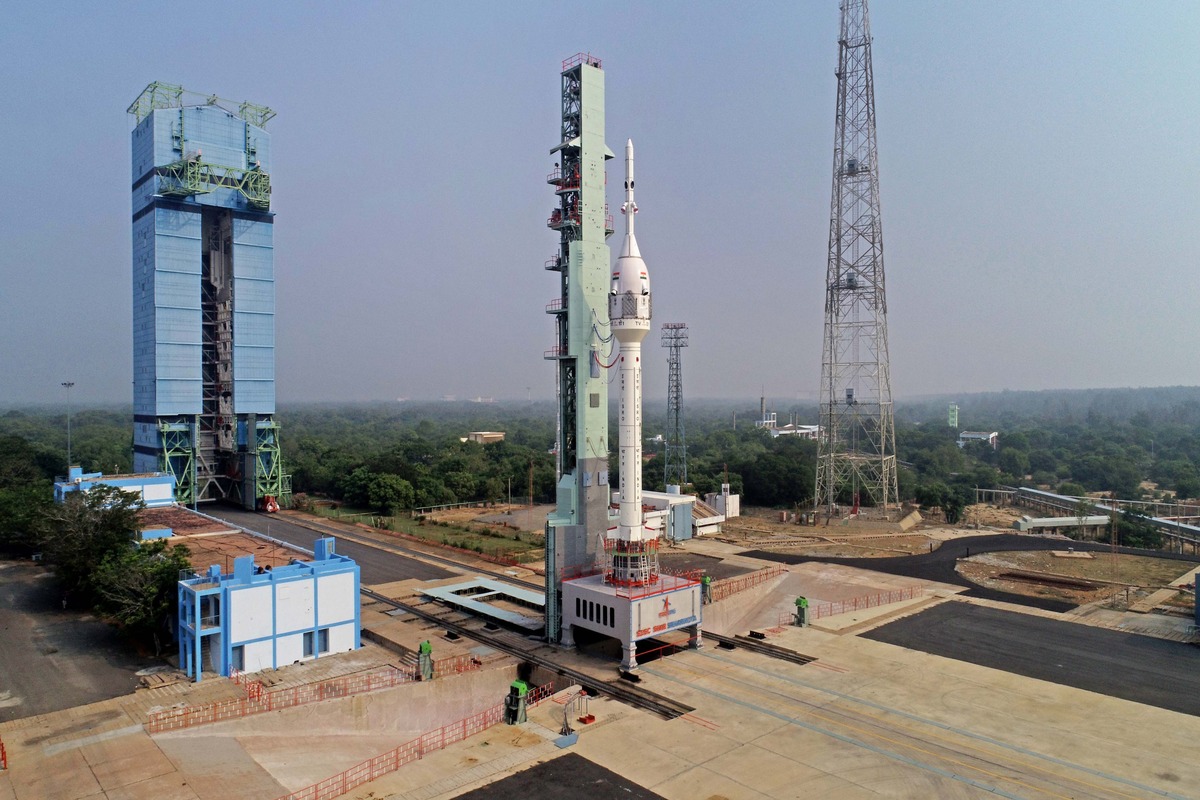
ISRO announced the success of the 'TV-D1' (Test Vehicle Development Flight 1) in the Gaganyaan Mission. The test vehicle was launched on the second attempt after it had faced an engine ignition problem at 8:45am IST. Later, it said that the errors have been identified and corrected and the second launch was scheduled for 10:00am IST today.
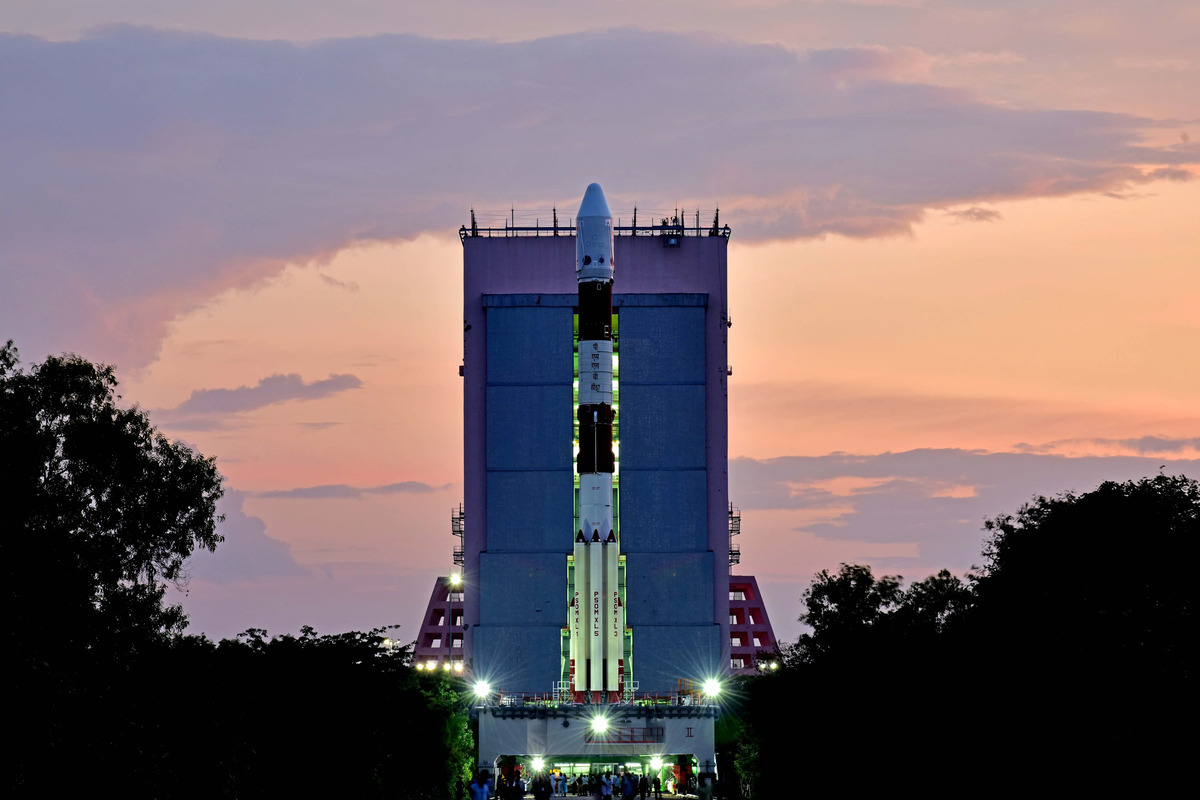
India is set to conduct a key test in its ambitious crewed space mission Gaganyaan as early as next month, the project director of the mission R Hutton told Reuters. The Indian Space Research Organisation (ISRO) is currently training four astronauts and looking to expand the cohort as it aims for more future manned missions, Hutton said.
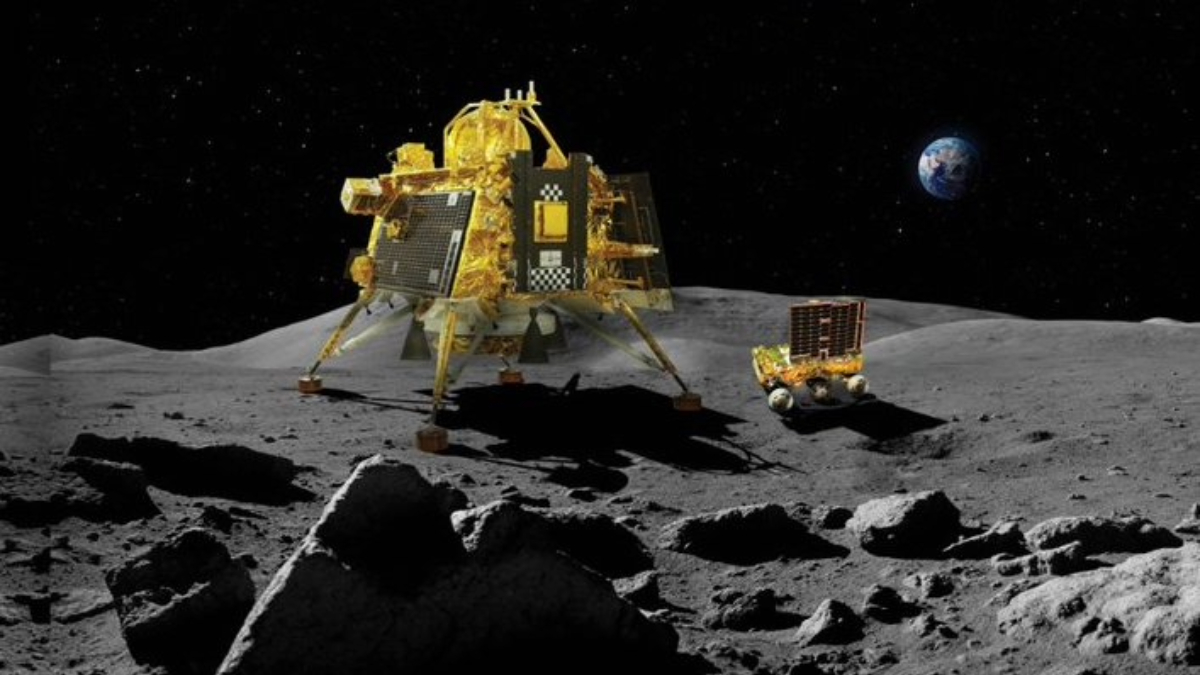
Japan on Thursday launched its Smart Lander for Investigating Moon (SLIM) lunar exploration spacecraft as it looks to become the fifth country to land on the surface of Earth's only natural satellite. The launch comes two weeks after Chandrayaan-3 successfully landed on the Moon, and the Japan Aerospace Exploration Agency start the landing by February 2024.
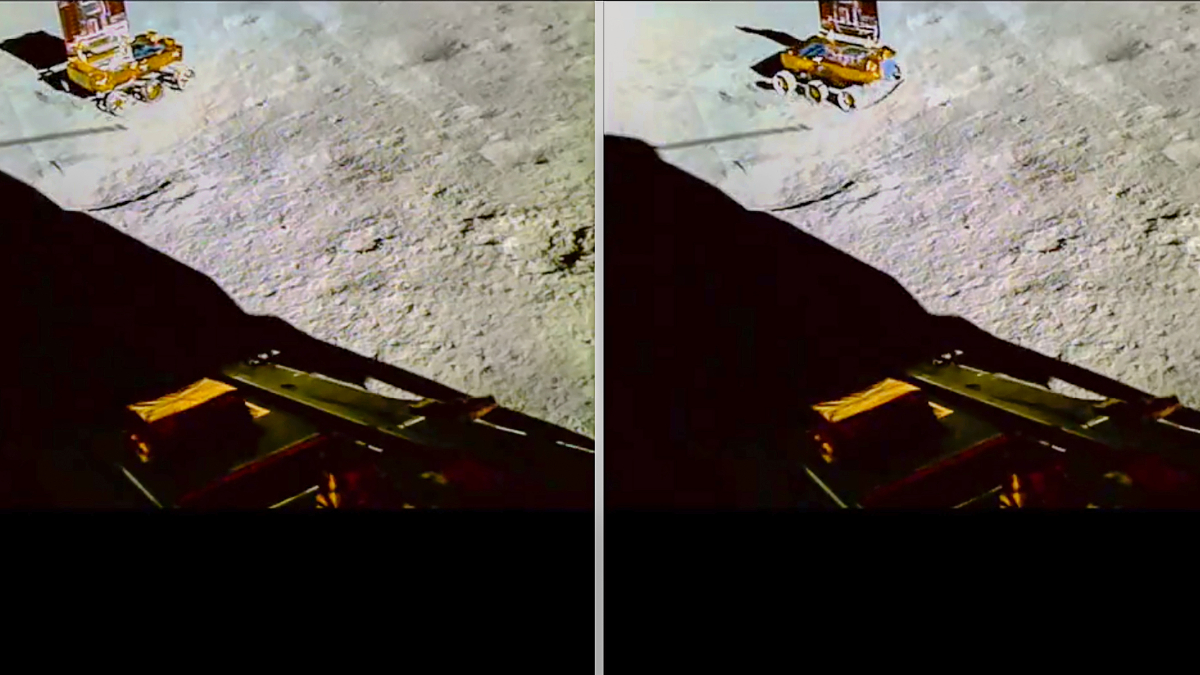
India switched off its moon rover, the first craft to reach the lunar south pole, after it completed its two-week assignment conducting experiments, the country's space agency said. The Pragyan rover from the Chandrayaan-3 spacecraft was "set into Sleep mode" but with batteries charged and receiver on.
The Indian Space and Research Organisation on Thursday said that the Pragyan Rover module of the Vikram lander has recorded a natural event on the south pole of the moon. However, the detection of its source is underway.
The Laser-Induced Breakdown Spectroscope instrument onboard 'Pragyan' rover of Chandrayaan-3 has unambiguously confirmed the presence of sulphur on the lunar surface near south pole, through first-ever in-situ measurements, ISRO said on Tuesday. It also said the instrument also detected aluminium, calcium, iron, chromium, titanium, manganese, silicon and oxygen, as expected.
Japan's space agency on Monday postponed for the third time the launch of its "Moon Sniper" lunar mission due to poor weather. The H2-A rocket due to blast off from the southern island of Tanegashima was also carrying a research satellite developed with NASA and the European Space Agency.
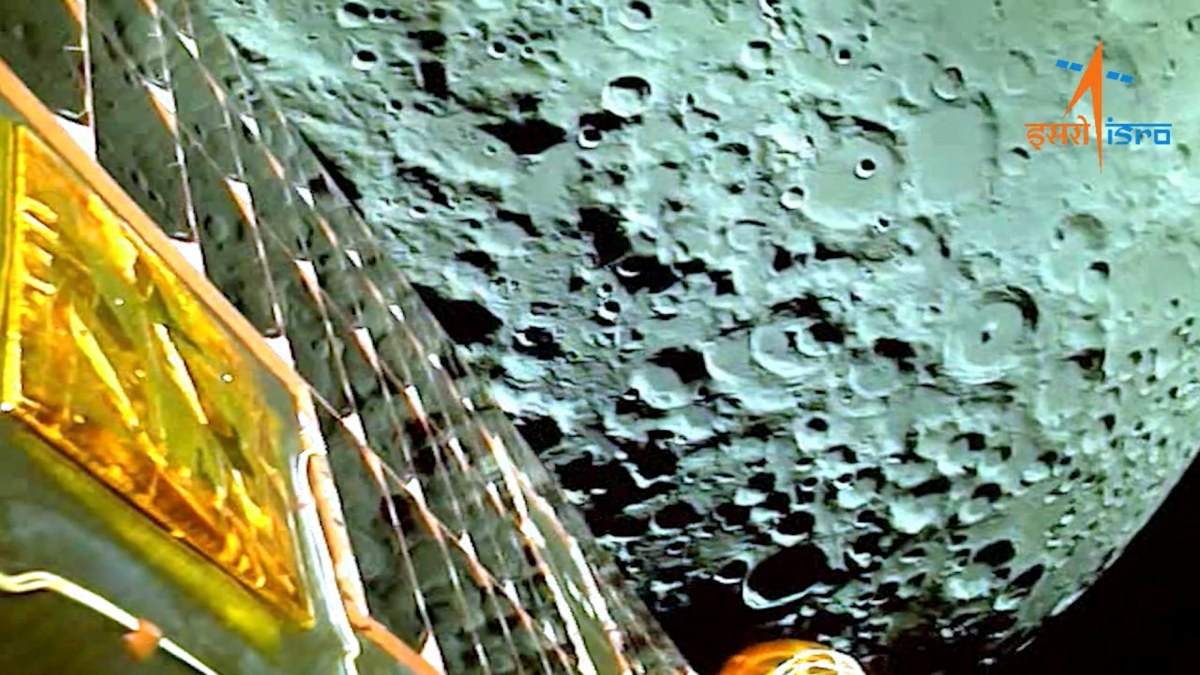
Prime Minister Narendra Modi flew down to Bengaluru on Saturday to interact with ISRO scientists on the successful Chandrayaan-3 mission and announced the decision to name the place where lander Vikram touched down on the lunar surface as "Shiva Shakti Point". August 23, the day the Chandrayaan-3 lander touched down on the lunar surface, would be celebrated as National Space Day, said the Prime Minister.
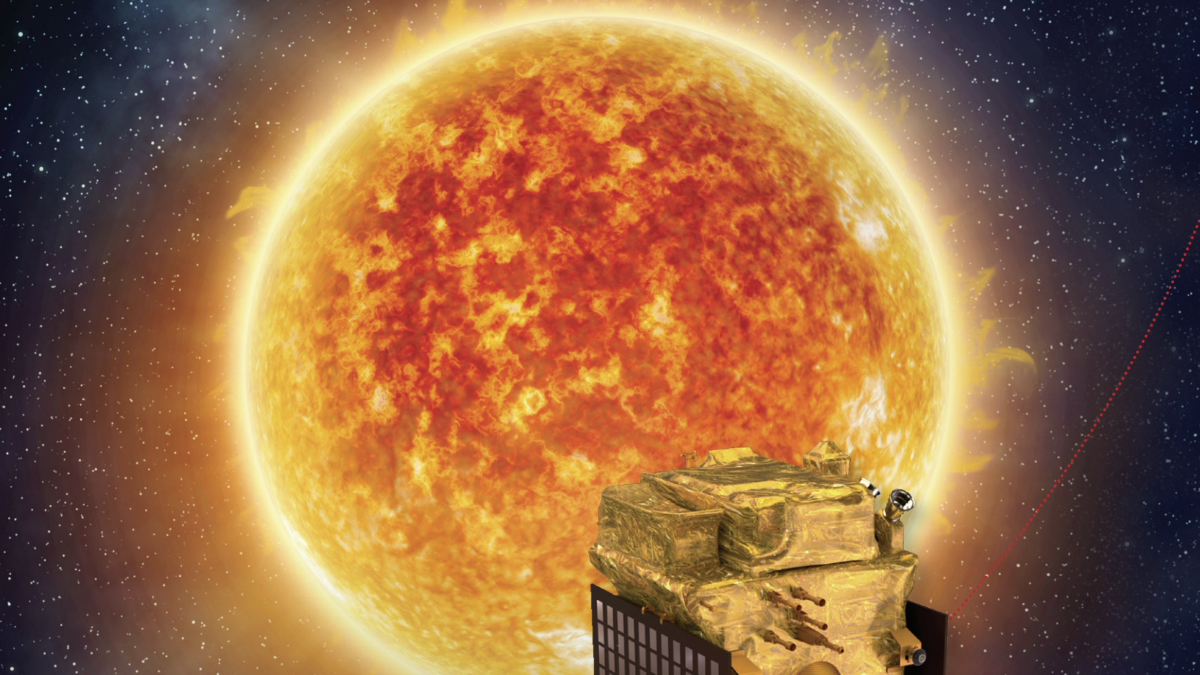
On the heels of the success of the Chandrayaan-3 moon landing, India's space agency has set a date for its next mission — this time to study the sun. The Aditya-L1, India's first space observatory for solar research, is getting ready for launch at the country's main spaceport in Sriharikota.
ISRO on Friday released a breathtaking video of the Chandrayaan-3 mission's rover 'Pragyan' rolling down from the lander 'Vikram' to the lunar surface as observed by the lander imager camera. ISRO also released the image of the lander taken by Chandrayaan-2's Orbiter High Resolution Camera (OHRC) after it soft-landed on the Moon's surface.
Indian Space Research Organisation (ISRO) on Thursday said that Pragyan Rover began its moonwalk on the lunar surface. Earlier today ISRO also released the images of the Lander Imager Camera which captured the moon's image just before the touchdown on the lunar surface.
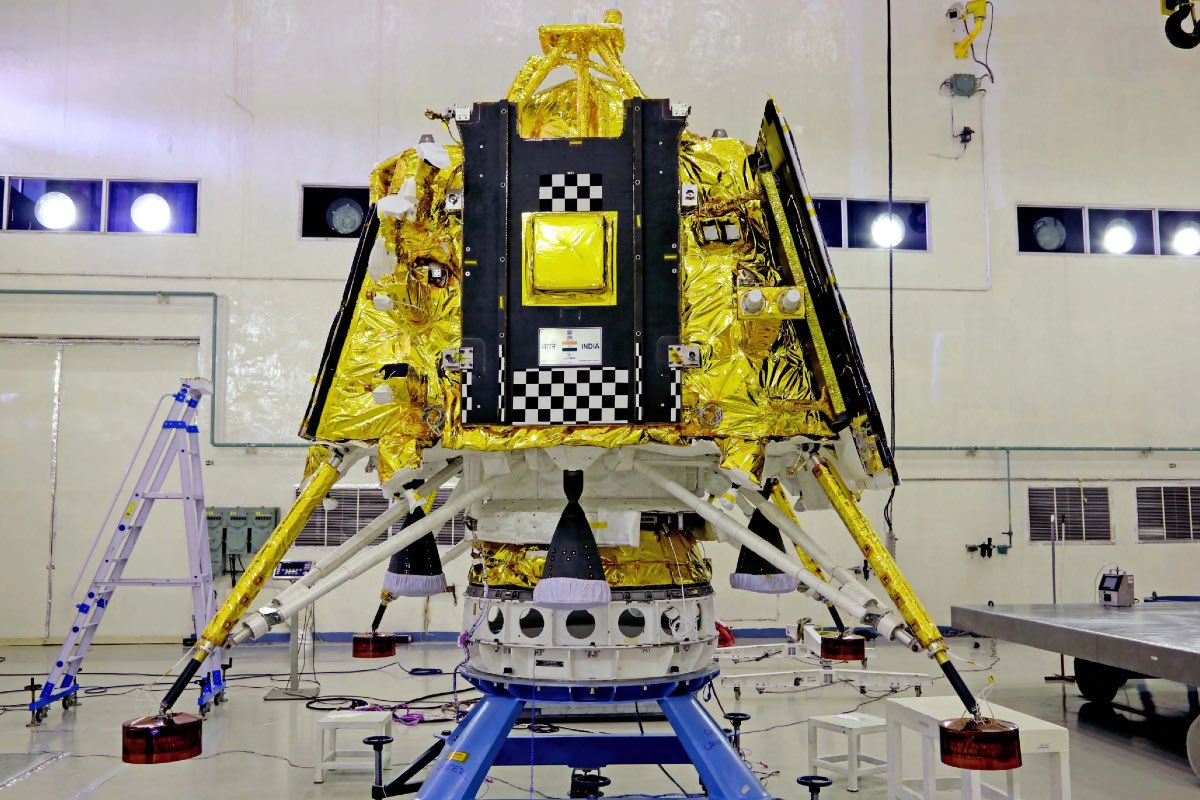
When Indian space agency scientists set out to design the Chandrayaan-3 moon mission, they knew they had one more chance to make history with a landing on the lunar south pole after a failed attempt four years ago. They also had to do it on a shoestring budget and ended up spending only Rs. 6.15 billion on the mission.
After the successful deployment of Chandrayaan-3's lander and rover on the moon, ISRO is hoping that their mission life will not be limited to one lunar day or 14 earth days, and that they will come back to life when the sun again rises on the Moon, to carry on with the experiments and studies there. Following the deployment of the lander and rover, the systems on them are now ready to perform experiments one after the other.
As the country rejoiced the successful placement of the ISRO lander — Vikram — on the moon's uncharted South Pole, the agency's chairman S Somanath on Thursday confirmed that its maiden solar mission 'Aditya' is in the works and will be ready for launch in September.

Search engine giant Google on Thursday celebrated India's success in its third Moon mission Chandrayaan-3 with a special animated doodle. India scripted history on Wednesday with its touchdown on the lunar south pole, making it the first nation to land on the uncharted surface. With this achievement, India was propelled into an exclusive club of four, becoming the fourth country to successfully land a spacecraft on the moon.
The moon rover of India's Chandrayaan-3 exited the spacecraft on Thursday morning to begin its exploration of the lunar surface, the country's space agency said on messaging platform X, formerly known as Twitter.
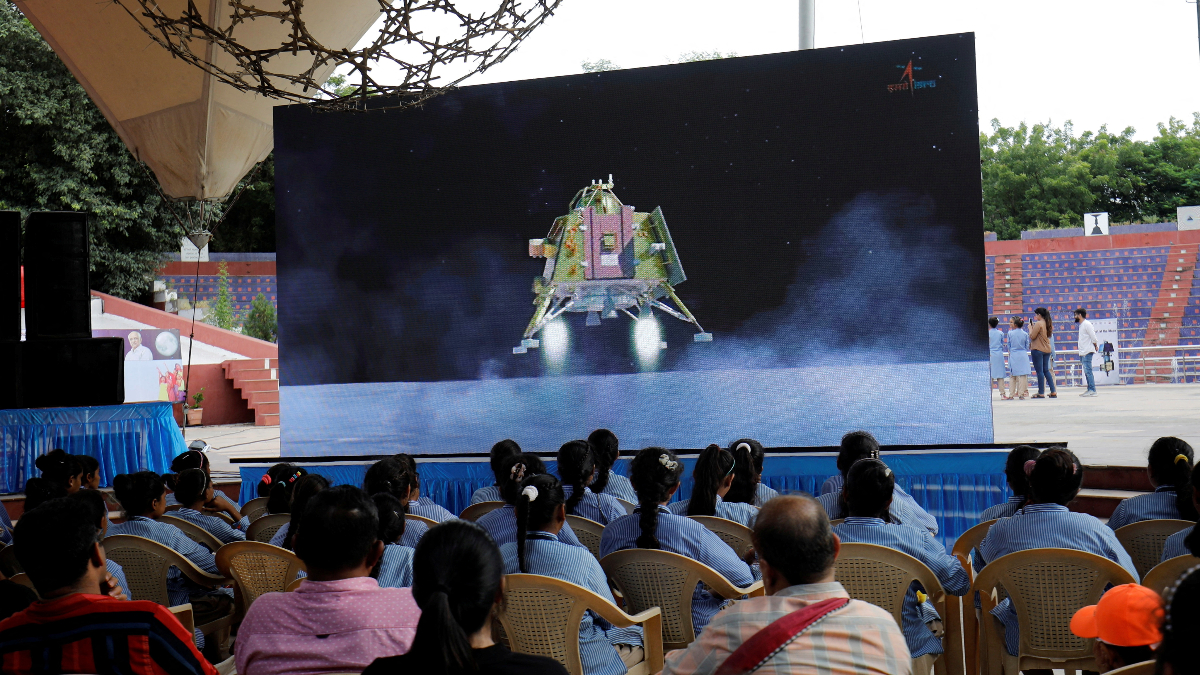
Chandrayaan-3's LM comprising the lander (Vikram) and the rover (Pragyan), made soft landing near the south polar region of the Moon at 6.04pm.
With Chandrayaan-3 mission's Lander 'Vikram' and rover 'Pragyan' scheduled to touch down on the Lunar surface on Wednesday, the task for the duo is cut out and here is what they will do once they reach the Earth's only natural satellite.
ISRO on Wednesday said it is all set to initiate the Automatic Landing Sequence (ALS) for its ambitious third Moon mission Chandrayaan-3's Lander Module (LM) to touch down on the lunar surface this evening.
India will make its second attempt to land on the moon on Wednesday, a mission seen as crucial to lunar exploration and the country's standing as a space power, just days after a similar Russian lander crashed. In 2019, ISRO's Chandrayaan-2 mission successfully deployed an orbiter but its lander crashed.
Chandrayaan-3, India's latest lunar mission, is expected to make a soft landing on the south pole of the moon on August 23. The spacecraft was launched by Indian Space Research Organisation (ISRO) on July 14. After completing a journey of almost 40 days, the Chandrayaan-3 mission will finally make India the fourth nation to land on moon with its successful landing on Wednesday.
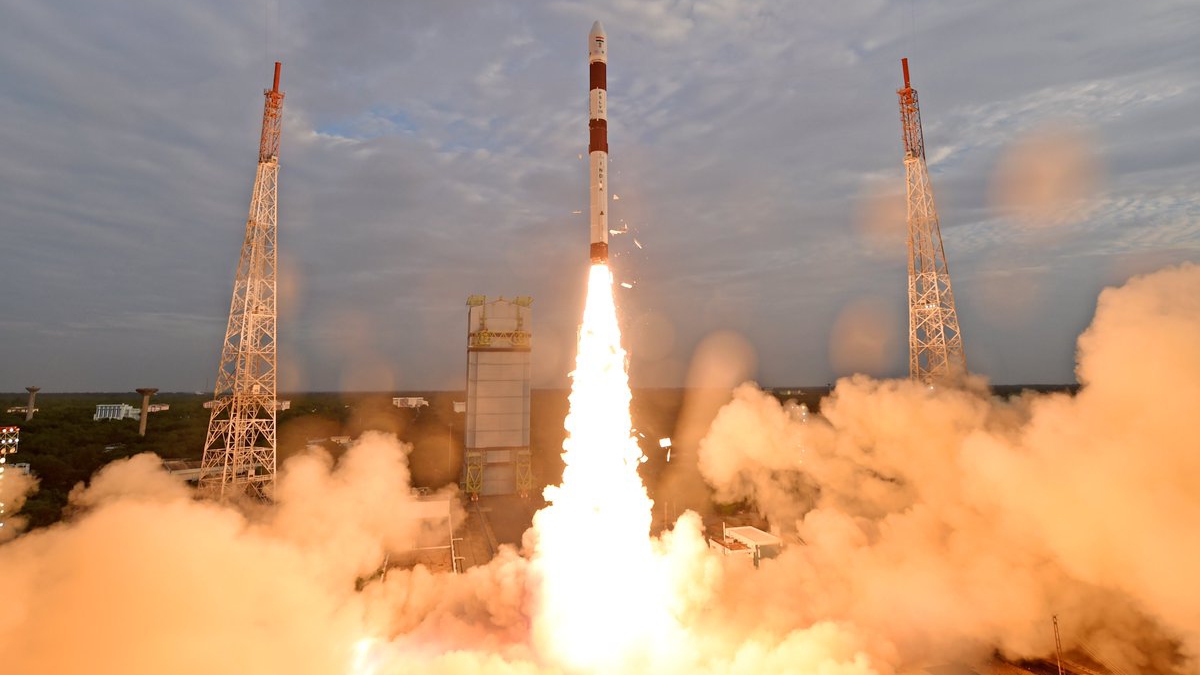
As scientists at ISRO gear up for the much-awaited soft landing of the Chandrayaan-3 spacecraft on the Moon’s surface, the space agency may postpone the touchdown to August 27 in the event that health parameters of the lander module are found to be "abnormal", a senior official has said. ISRO had planned the soft landing of the Chandrayaan-3 spacecraft at 06.04 pm IST on August 23.
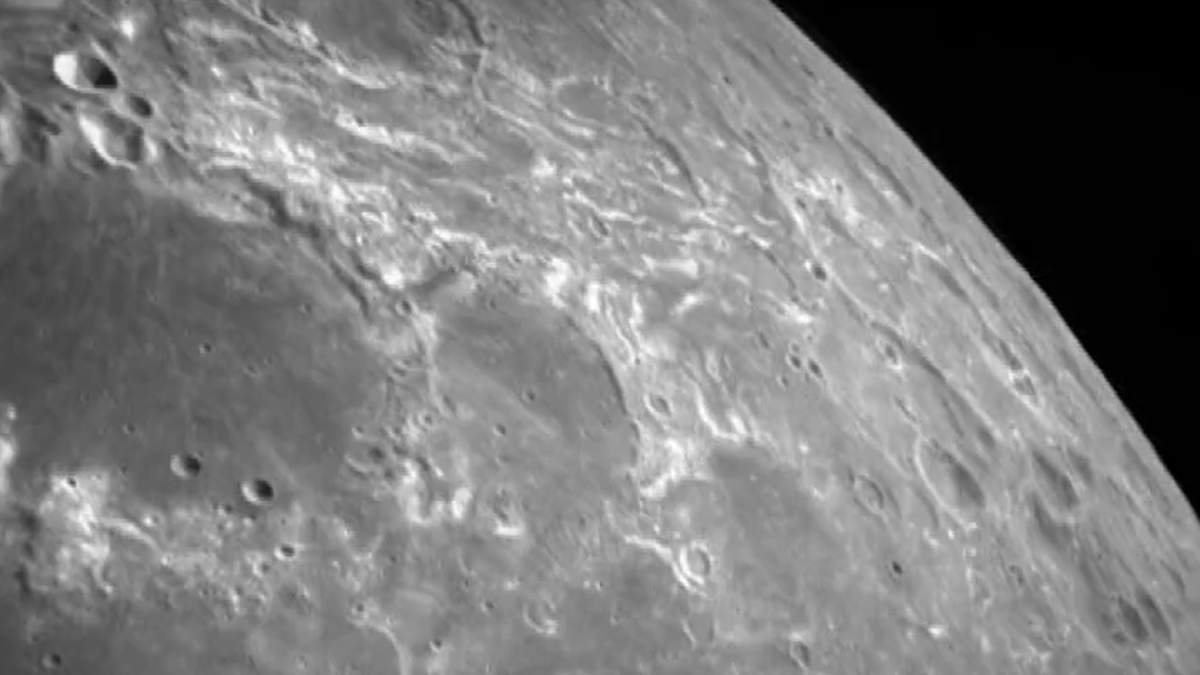
Ahead of the much-awaited Chandrayaan-3 soft landing, ISRO has released some more pictures of the moon captured by the camera attached to the Vikram lander module. In its latest update on Chandrayaan-3 soft landing, ISRO meanwhile said the mission is on schedule and systems are undergoing regular checks.
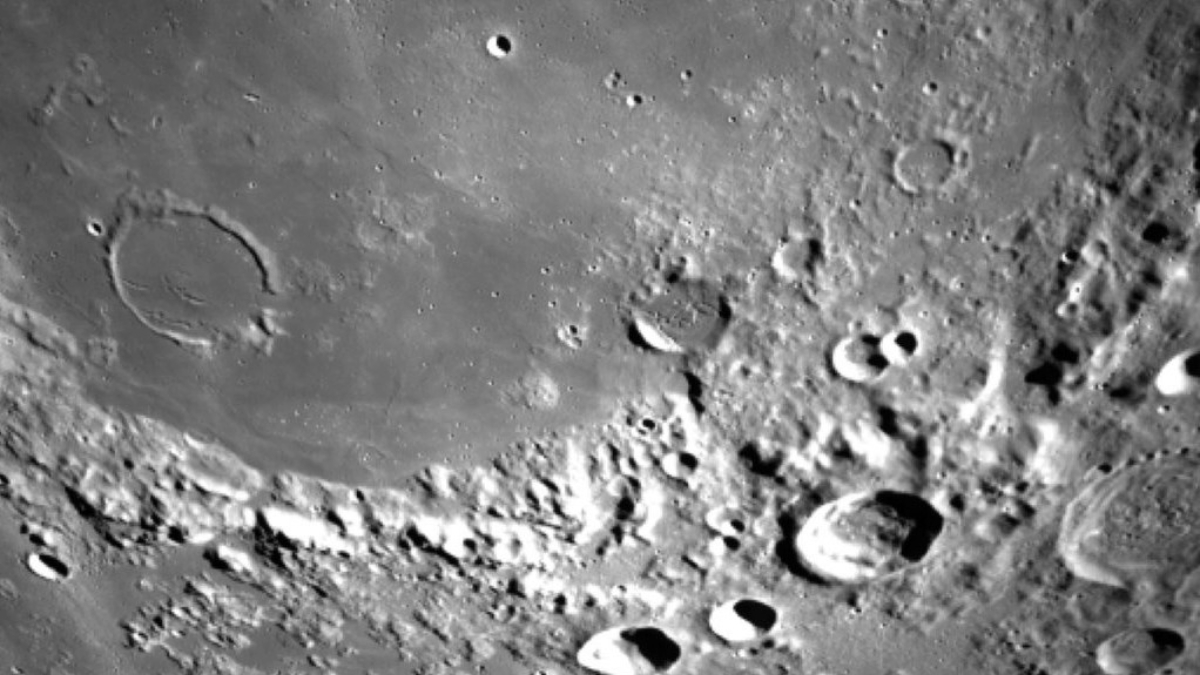
The Moon has captivated human curiosity for centuries, and with each new mission, we uncover more about its geological history, composition and potential for scientific discovery. As anticipation grows for India's planned Chandrayaan-3 lunar landing on Wednesday, an expert delves into the fascinating world of Moon exploration.
ISRO's ambitious third Moon mission Chandrayaan-3's Lander Module (LM) is all set to land on the lunar surface on Wednesday evening, as India eyes becoming the first country to reach the uncharted south pole of Earth's only natural satellite.
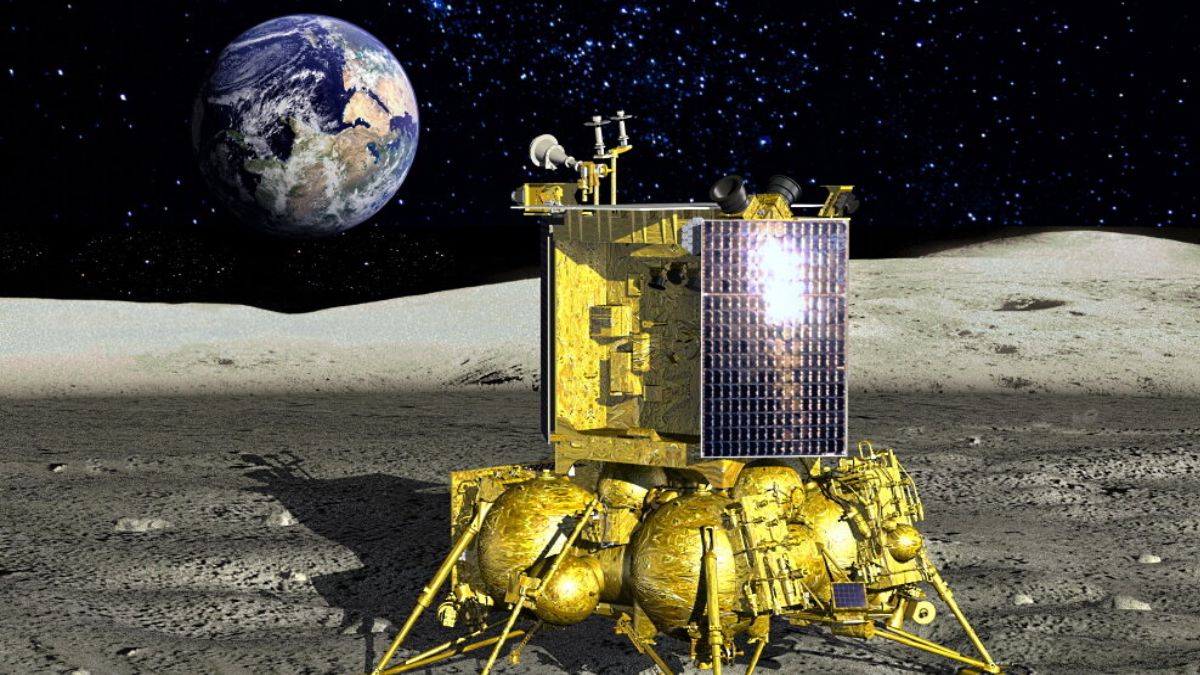
India's space agency ISRO is attempting to land a spacecraft, the Chandrayaan-3, on the Moon's south pole, a mission that could advance India's space ambitions and expand knowledge of lunar water ice, potentially one of the moon's most valuable resources.
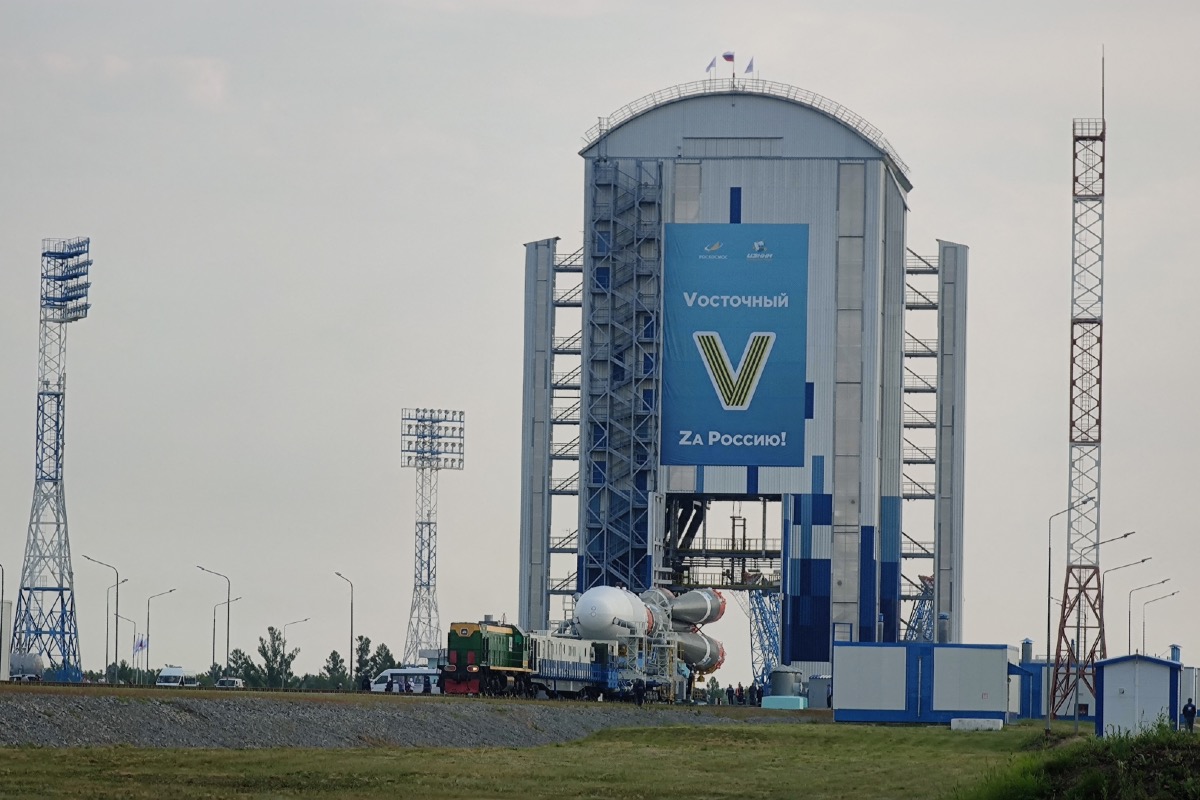
The race to explore and develop the moon's resources has begun and Russia must remain a player despite the failure of its first lunar mission in 47 years, the head of Russia's space agency Roskosmos said on Monday.
Nilesh M Desai, director of Space Applications Centre-ISRO, Ahmedabad said that the decision regarding the landing will be taken based on the health of the lander module and the conditions on the Moon. ISRO said the Chandrayaan-3 is set to land on the moon on August 23, 2023, around 18:04 hours IST.
In a significant development, the Chandrayaan-2 orbiter which was already fixed around the moon established a two-way connection with the lander module of Chandrayaan-3 on Monday. Earlier today, ISRO released images of the lunar far side area captured by the Lander Hazard Detection and Avoidance Camera (LHDAC).
The failure of Russia's Luna-25 moon mission will have no impact on ISRO's Chandrayaan-3 lunar venture, according to top Indian space scientists. The Luna-25 spacecraft crashed into the Moon after it spun into an uncontrolled orbit, Russia's Roscosmos space agency said on August 20.
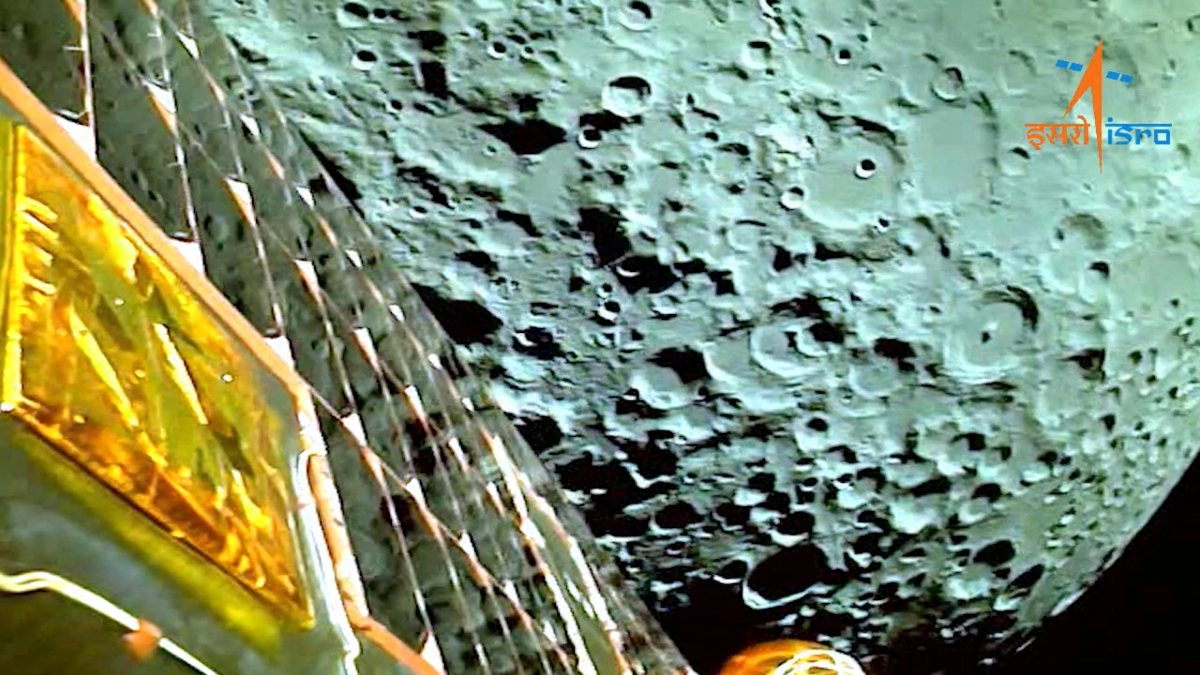
India's space agency ISRO on Monday released images its Chandrayaan-3 spacecraft took of the far side of the moon as it headed for an attempted landing on the lunar south pole, just days after the failure of a Russian’s Luna-25.
The ISRO on Monday released images of Lunar far side area captured by the Lander Hazard Detection and Avoidance Camera (LHDAC).
Russia's Luna-25 spacecraft adjusted its orbit on Friday as it prepared to attempt the first landing near the south pole of the moon, space agency Roscosmos said. It said the adjustment went smoothly and the spacecraft's onboard systems and communications were all functioning normally.
Achieving a major milestone, ISRO on Thursday announced that the Chandrayaan-3 spacecraft's Lander Module has successfully separated from the Propulsion module that was propelling it all these days in space. The soft landing on the Lunar south pole is scheduled on August 23.
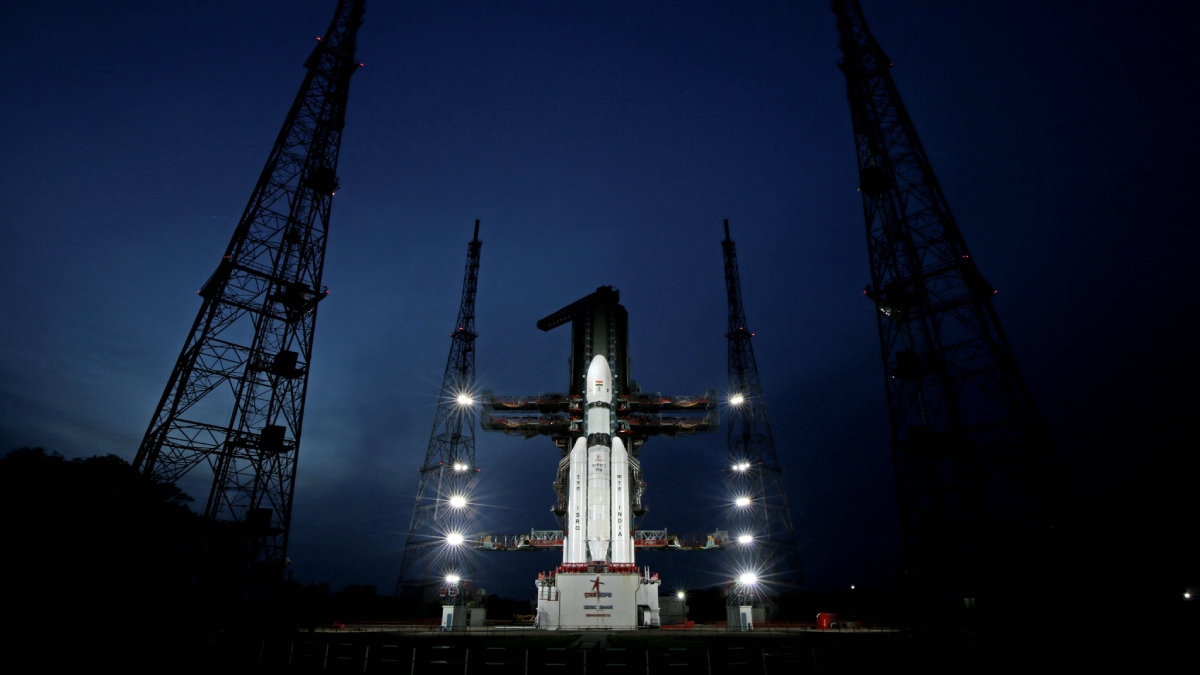
Chandrayaan-3, India's third Moon spacecraft performed another manoeuvre on Monday, bringing the spacecraft closer to the surface of the Moon. The spacecraft entered the Moon's orbit on August 5, after which orbit reduction manoeuvres were conducted on August 6 and August 9.
Russia made its final preparations on Thursday for the launch of its first lunar landing spacecraft in 47 years as it races to be the first power to make a soft landing on the south pole of the moon which may hold significant deposits of water ice. For centuries, astronomers have wondered about water on the moon, which is 100 times drier than the Sahara.
The Chandrayaan-3 spacecraft, which was launched on GSLV Mark 3 (LVM 3) heavy-lift launch vehicle successfully from the Satish Dhawan Space Centre in Andhra Pradesh’s Sriharikota on July 14, has covered about two-thirds of the distance to the Moon. The spacecraft was successfully launched onboard LVM-3 on July 14, 2023, at 2:35 PM IST.
ISRO on Tuesday successfully performed the fifth orbit-raising manoeuvre (Earth-bound perigee firing) of the Chandrayaan-3 spacecraft from the ISRO Telemetry, Tracking and Command Network (ISTRAC) here.
ISRO on Tuesday stated that it had successfully performed the third orbit-raising manoeuvre for the recently launched Chandrayaan-3 spacecraft, ahead of the expected landing on August 23. The Chandrayaan-3 mission to the Moon was launched on July 14 and the fourth Earth-bound perigee firing is scheduled to take place on July 20, according to the space agency.
After the successful launch of Chandrayaan-3 on GSLV Mark 3 (LVM 3) heavy-lift launch vehicle on Friday, Director of Indian Space Research Organisation (ISRO) S Somanath said that landing is one important step for further exploration. Chandrayaan-3 is the ISRO's follow-up attempt after the Chandrayaan-2 mission faced challenges during its soft landing on the lunar surface in 2019.
Chandrayaan-3, ISRO's third lunar mission, is all set to take off today on July 14 from Satish Dhawan Space Centre in Sriharikota in Andhra Pradesh. The launch of Chandrayaan-3 is scheduled to take place at 2:35 pm IST with a hope for its success and soft-landing on the surface of the moon. The lunar mission will land on the southern pole of the moon around August 23 or 24.
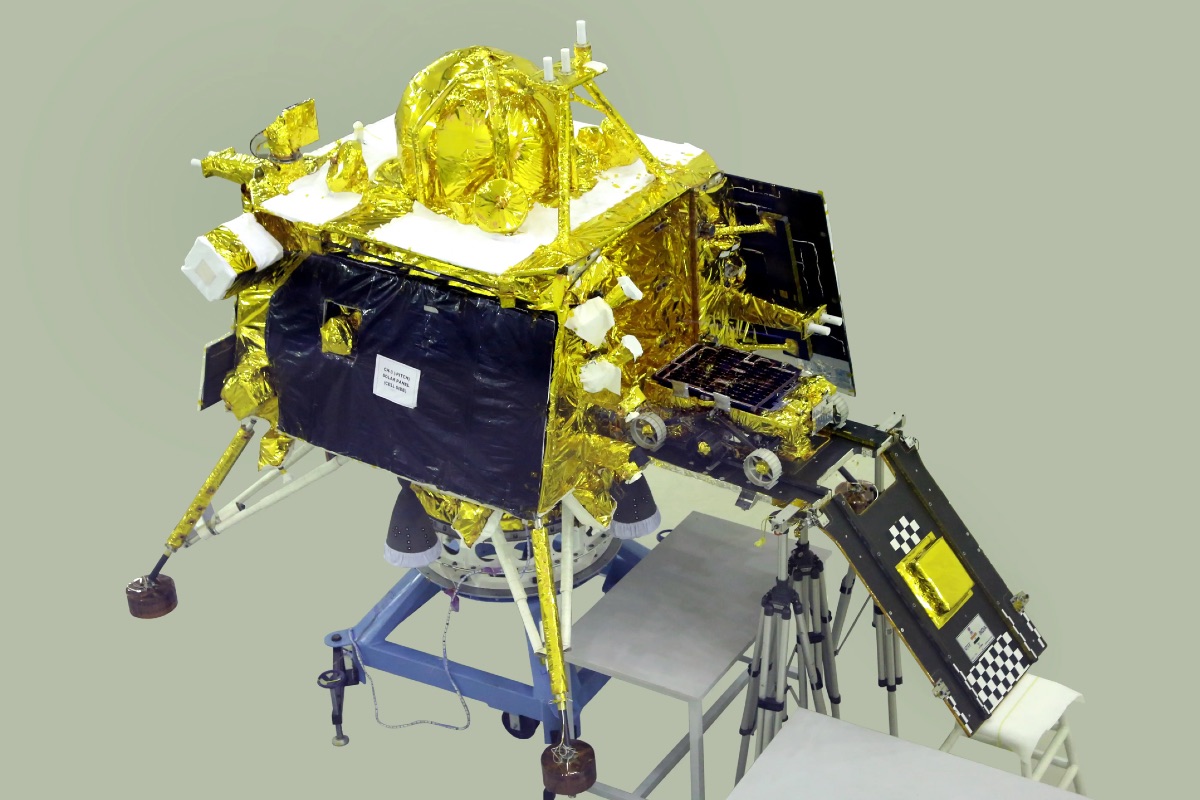
Former ISRO scientist Nambi Narayanan, who has been instrumental in the country’s space sector innovation said that the Chandrayaan-3 mission is going to be successful and a game-changer event for India. Chandrayaan-3, India’s third lunar exploration mission, will make India the fourth country to land its spacecraft on the surface of the moon and demonstrate the country’s ability for safe and soft landing on the lunar surface.
Chandrayaan-3, India’s third lunar exploration mission, will make India the fourth country to land its spacecraft on the surface of the moon and demonstrate the country’s abilities for safe and soft landing on lunar surface. The countdown for the launch of mission will begin on Thursday ahead of take off on Friday from the Satish Dhawan Space Centre in Sriharikota.
Chandrayaan-3, the upcoming lunar mission from the Indian Space Research Organisation (ISRO), is scheduled to lift off on July 14 at 2:35pm IST. This will be ISRO's their mission to the Moon. Chandrayaan-3 will be launched in the coming days as the successor to Chandrayaan-2, which was sent towards the lunar surface approximate four years back, on July 22, 2019.
A Mumbai-based private aerospace company has supplied critical components to the Indian Space Research Organisation (ISRO) for its upcoming Chandrayaan-3 mission. Liquid propulsion engines such as Vikas, CE20, and satellite thrusters for the lunar mission have been manufactured by Godrej Aerospace in its facility at Vikhroli in suburban Mumbai, a senior company official said on Monday.
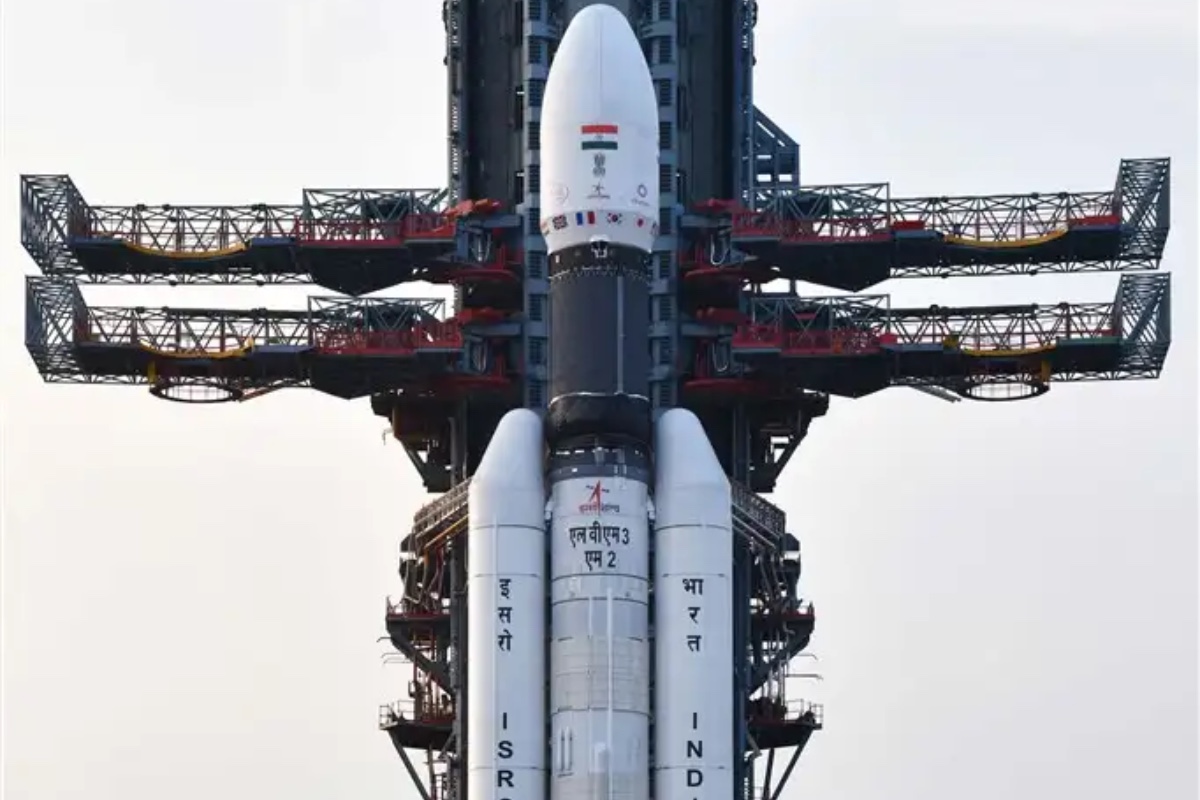
Chandrayaan-3, scheduled to be launched from Sriharikota this week, will make "India the fourth country to land its spacecraft on the surface of the Moon", said Union Minister of State (Independent Charge) for Science and Technology, Jitendra Singh, on Sunday. He said Prime Minister Narendra Modi's recent US visit was marked by significant space-related agreements.
The Indian Space Research Organisation (ISRO) on Friday invited citizens to witness the launch of Chandrayaan-3 from the Launch View Gallery at SDSC-SHAR, Sriharikota, by registering at lvg.shar.gov.in/VSCREGISTRATIO. Earlier, the Director of the Indian Space and Research Organisation (ISRO), S Somanath, announced that Chandrayaan-3, India's planned third lunar exploration mission, will be launched on July 14 at 2.35 pm from the Satish Dhawan Space Centre in Sriharikota, Andhra Pradesh.