चीन की राजधानी बीजिंग में 15 से 17 अगस्त 2025 तक दुनिया के पहले Humanoid Robot Games का आयोजन हो रहा है, जिसमें 16 देशों की 280 टीमों के 500 से अधिक ह्यूमनॉइड रोबोट्स हिस्सा ले रहे हैं। यह इवेंट टेक्नोलॉजी और रोबोटिक्स के क्षेत्र में एक नया माइलस्टोन माना जा रहा है। इसमें रोबोट्स को विभिन्न गेम्स और टास्क में परखा जाएगा, जिससे उनकी स्पीड, सटीकता और AI क्षमताओं का आंकलन होगा।

OpenAI has begun the global rollout of GPT-6 with its new Intelligent UI feature, which lets ChatGPT use interactive elements such as charts, forms and graphics in its responses. The model can also create tools including calculators and games within conversations. GPT-6 can begin responding while it continues processing a request and has also been improved for web searches. OpenAI says the model has stronger safeguards against misuse and can better recognise when it lacks the information or tools needed to answer a question.

Anthropic on Thursday announced Claude Haiku 5.5 as its fastest model to date. The company says it is aimed at developers running high-volume and cost-sensitive AI workloads. Claude Haiku 5.5 can be used for repetitive tasks such as summarisation, classification, database queries, and context compaction. It also targets browser-based applications and subagent coding work. Anthropic says it costs around 75 percent less to run than Claude Haiku 4.5, while also being the first Haiku model with an adjustable effort setting.
Google has expanded access to its SynthID Detector, allowing users to check digital media for invisible watermarks associated with AI-generated content. The tool was previously aimed at media professionals but is now available globally in English. It supports watermarks created by Google and participating AI companies, including OpenAI, Nvidia and Kakao, with Apple support coming soon. Google introduced SynthID in 2023 and says it has watermarked more than 180 billion images and videos, as well as 240,000 years' worth of audio.

Google on Wednesday announced Playground as an experimental gaming platform. As per the Mountain View-based tech giant, it lets users create, play, and share custom browser-based games using natural-language prompts. They can start with a blank canvas or remix prompts, then describe changes to gameplay, characters, physics, and environments through a conversational interface. Apart from this, Google is preparing a deeper integration with Unity Spark, adding further capabilities to Playground.
Anthropic has launched Claude for Google Workspace in public beta, bringing the AI assistant to Google Docs, Sheets and Slides. The new add-on places Claude alongside an open file and lets users edit text, work with spreadsheet data and create slides. Anthropic has also introduced connectors that let users create or edit Google files from Claude's chat. Users can approve individual changes or allow Claude to apply them automatically. The integration is available to users across all paid Claude plans.

Google has announced the expansion of Gemini in Chrome in India. As part of the move, the Mountain View-based tech giant is bringing its AI browsing assistant to Android users. Google says Gemini in Chrome can summarise lengthy webpages, answer questions about content, work with Google apps, and generate or edit images using Nano Banana. Apart from this, Auto Browse, which is Google’s agentic feature, is rolling out on both desktop and Android.
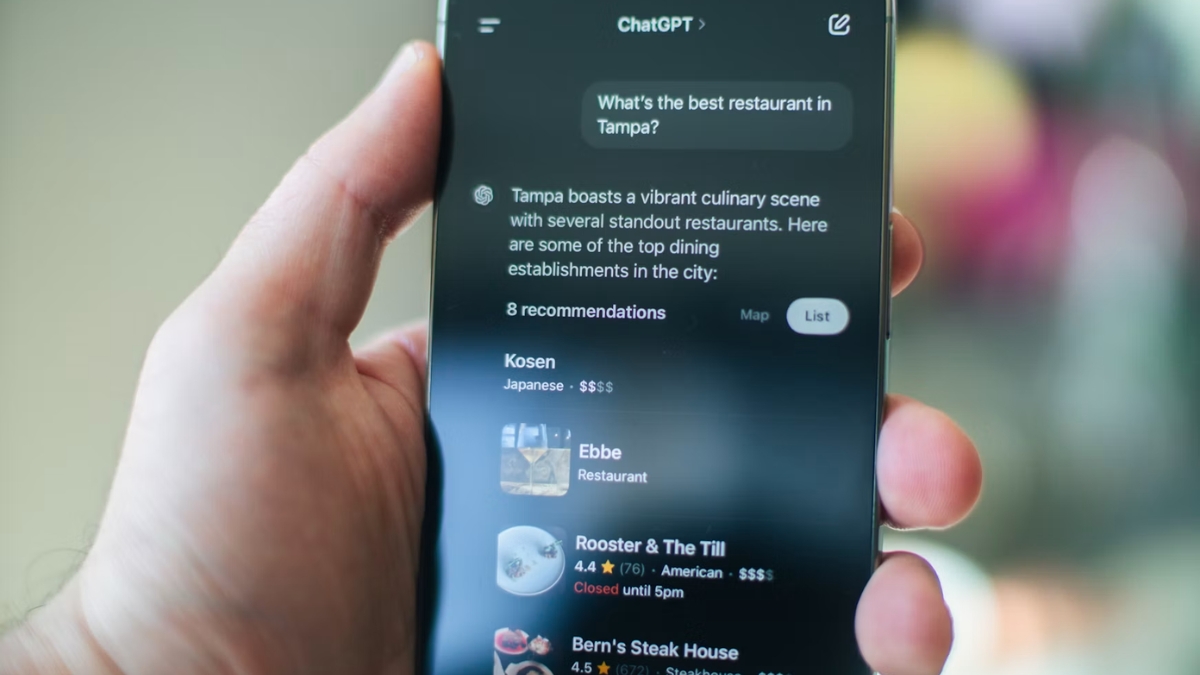
OpenAI introduced age prediction in ChatGPT earlier this year. The system helps the AI chatbot determine whether an account may belong to someone under the age of 18. The San Francisco-based AI company has now detailed how its age prediction functionality works. As per OpenAI, it adds an extra layer of protection beyond the date of birth provided when an account is created. Instead of only relying on a user’s stated age, it looks at behavioural and account-level signals.
The Wikimedia Foundation says it has identified activity from AI agents it believes were operated by OpenAI across its projects. The reported activity included unauthorised wiki edits, attempts to use Etherpad to retrieve information from other websites and millions of requests to Wikimedia APIs. The Foundation also linked hundreds of thousands of Wikidata Query Service requests to the activity and said they may have contributed to a partial outage in May. Wikimedia found no evidence that its systems or data were compromised.
Google has announced EmbeddingGemma 2 as its latest open, lightweight multimodal embedding model. It is designed for on-device multimodal embeddings, natively mapping combinations of text, images, audio, and video into a unified embedding space. The EmbeddingGemma 2 weights are available through Hugging Face and Kaggle. It is built on the Gemma 4 architecture, and the model has 740 million parameters. It is released under an Apache 2.0 commercial license. Google has also launched Nano Banana 2.1 as an update to Nano Banana 2.

Ray-Ban Meta smart glasses are reportedly receiving new features with the v128 and v129 software updates. Version 128 could allow users to follow walking directions through their glasses using location data from a connected smartphone. It is also said to introduce Spatial Audio. Meanwhile, version 129 reportedly brings Mono Audio and Audio Balance options, allowing users to change how sound is delivered through the speakers. The newer update is still rolling out, while v128 is reportedly more widely available.
OpenAI will show invisible watermarks for text generated by ChatGPT and Codex. The latest move by OpenAI will make it easier for readers to identify AI-generated content. This feature will be initially available in the European Union. Additionally, ChatGPT is all set to show more ads in the coming days. The new ads will appear alongside images that users ask ChatGPT to generate.
Google will change Gemini model access for free and AI Plus subscribers from October 9. Free users will only have access to Flash-Lite, while AI Plus will retain Flash-Lite and Flash but lose Pro. AI Pro and AI Ultra will continue to offer all three models, with Deep Think also coming to AI Pro. Google is considering Low, Medium and High thinking-effort options for Gemini. Meanwhile, Gemini 4 Argon is being tested through Fairwind before reaching paid API customers and AI Ultra subscribers.
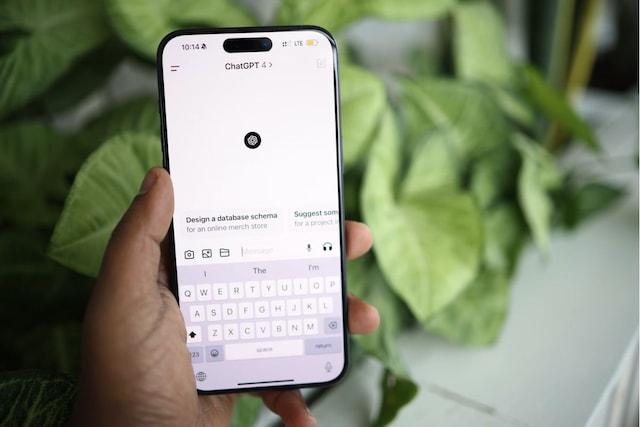
OpenAI is offering a limited-time free trial of its ChatGPT Plus subscription in India. With this move, the San Francisco-based AI company is providing eligible users with access to the paid tier of the AI chatbot without the usual monthly charge. The offer is currently visible to select users and provides one month of the ChatGPT Plus plan at no cost. However, the promotion does not appear to be available to every account.
Huawei and Qualcomm announced a new multi-year patent licensing agreement on Monday, subject to the necessary regulatory approvals. The partnership covers several technology areas, including 5G, computing, artificial intelligence (AI), and networking. Following the agreement, the companies will take advantage of cross-licensing of Huawei and Qualcomm’s respective patent portfolios. Further, the US-based chipmaker will also acquire certain Huawei patents registered in the US. Huawei highlighted its contributions to 4G and 5G standards, while Qualcomm pointed to its foundational wireless technologies and 5G licensing programme.
India’s smart glasses market has been steadily expanding in recent years. There are several options now available, catering to different use cases. Homegrown brands like Pebble and Lenskart both offer glasses with built-in cameras for users who want to capture content on-the-go. The most popular option, however, remains the Ray-Ban Meta Glasses, which combine the conventional eyewear design with a built-in camera, speakers, microphones, and Meta AI features. If you’re in the market for a pair of smart glasses, then Meta’s first-generation glasses are already available with a significant discount ahead of the Amazon Great Indian Festival Sale.
Google is initially testing Gemini 4 Argon with cybersecurity professionals through its Fairwind Program. The model has a 1-million-token output limit, compared with 64,000 previously, and Google reports scores of 77.9 percent on DeepSWE v1.1 and 91.7 percent on LVBench. Argon has also been used internally for projects involving quantum computing and codebase migrations. In cybersecurity testing, it scored 68 percent on CWE-bench v1. Google plans to expand access after testing its safeguards for potential misuse.
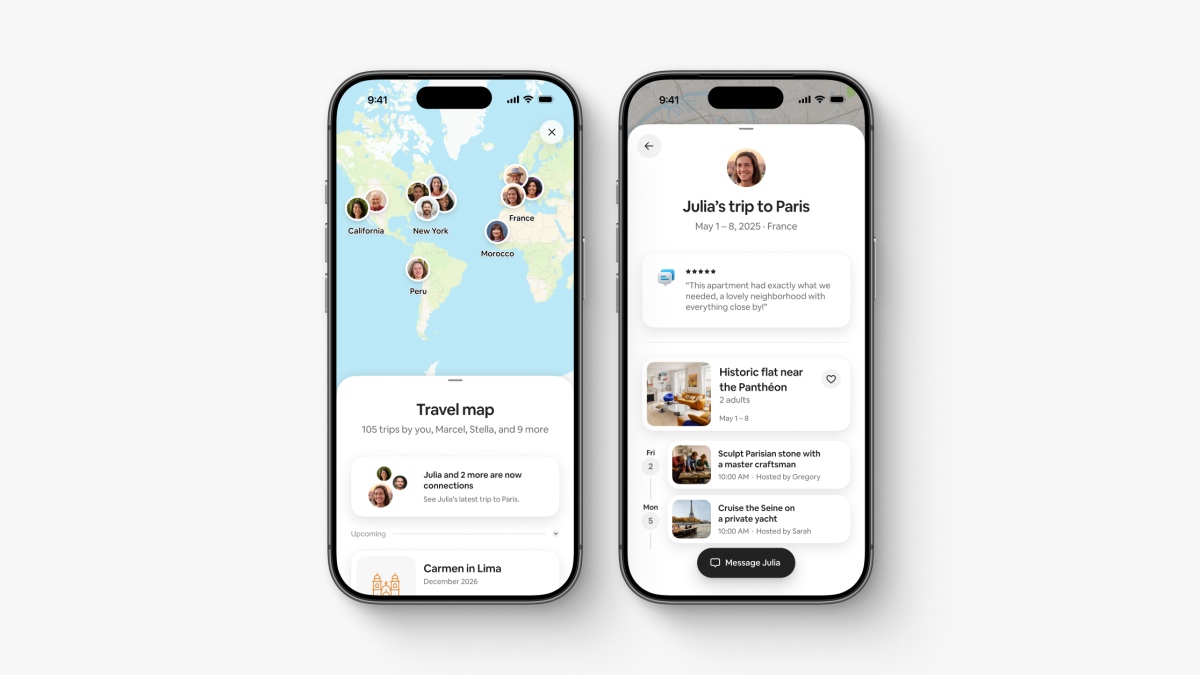
Airbnb will soon bring new features to its platform via an update scheduled for the end of this year. The fall update will reportedly add a new social feature that lets users interact with others, while Travel Maps brings interactive local maps with reviews, favourites and more.

The Cabinet Committee on Economic Affairs (CCEA), chaired by Prime Minister Narendra Modi, has approved Delhi Police’s Intelligent Traffic Management System (ITMS) project with a budget outlay of Rs. 1,789.52 crore. As part of the ITMS project, Delhi Police will deploy 1,092 Adaptive Traffic Control Systems across 1,029 enforcement locations. The project will be implemented via a Master System Integrator. The Centre for Development of Advanced Computing (C-DAC), under the Ministry of Electronics and Information Technology (MeitY), will provide technical support. Further, ITMS will prioritise the movement of Ambulances and other emergency vehicles and create green corridors for their movement.
Fireflies.ai has introduced Talk, a voice dictation feature for its Mac and Windows desktop apps. It lets users enter spoken text into applications such as email, Slack, documents, AI tools and CRM platforms, with support for more than 100 languages. Talk automatically adds punctuation and cleans up transcribed text, while Slack can turn spoken teammate or group names into @mentions. Fireflies says completed dictations remain on the user's device and are not stored on its servers or used to train its AI models.
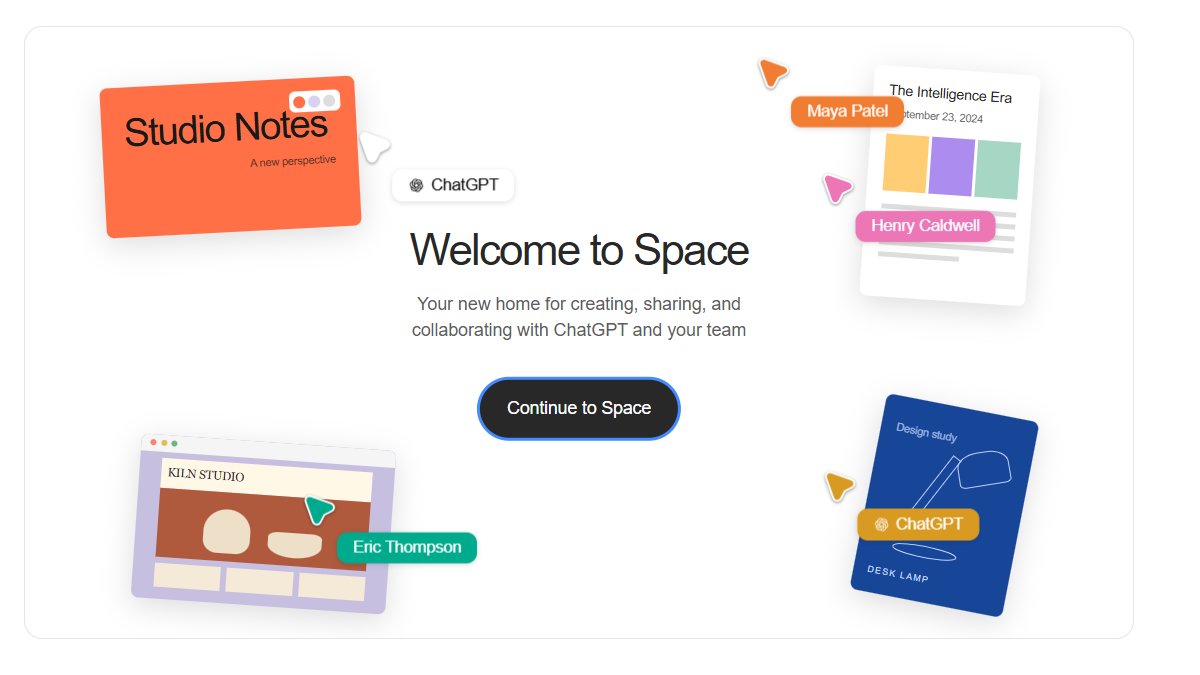
OpenAI has announced the ChatGPT Space feature. This tool lets users create and edit pages with ChatGPT, organise related content in dedicated spaces, and share pages or entire spaces with others. The company announced Spaces at the OpenAI DevDay 2026 event. It will be available soon for Enterprise and Business workspaces with data residency in Canada or the United Arab Emirates.
While public companies routinely outline product risks to investors, few, if any, have issued warnings suggesting their technology could cause potential human extinction. Anthropic emphasized both the transformative potential of AI on par with industrialization and electricity and the irreversible harm it could cause if mishandled.
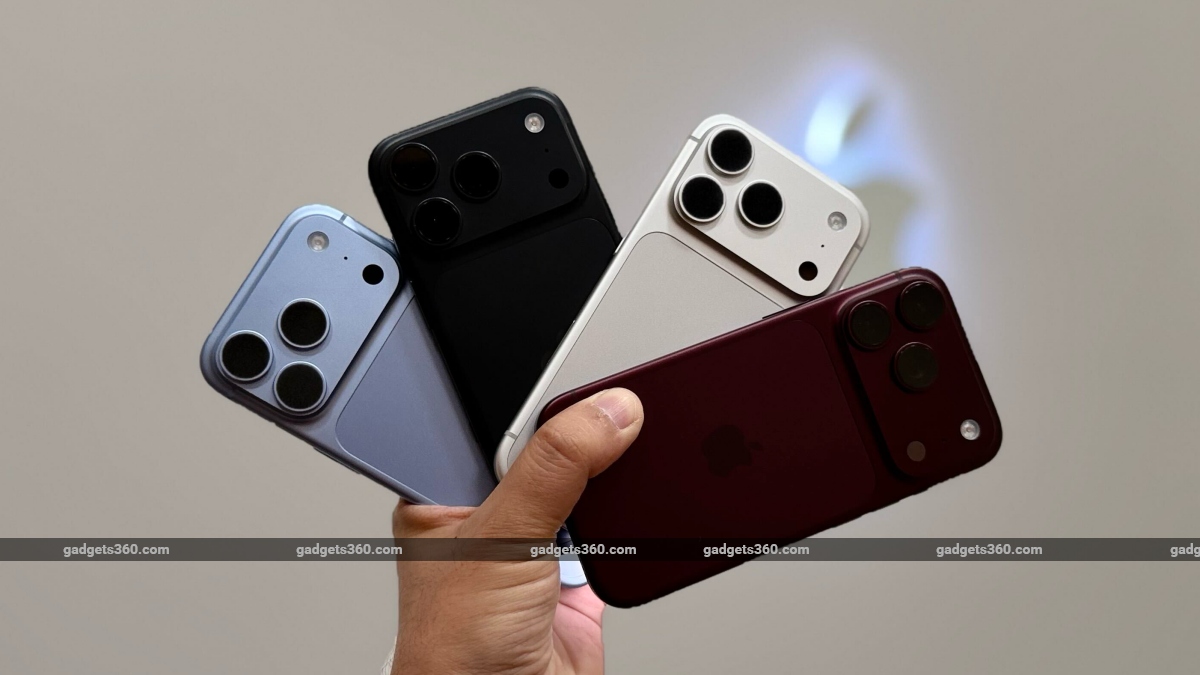
Apple had reportedly considered cutting around 5,000 AppleCare support jobs as it explores greater use of AI across customer service. Bloomberg’s Mark Gurman also reports that CEO John Ternus is pushing for a leaner organisation, fewer management layers and a faster product development cycle. Apple is considering changes to its usual launch schedule and has already made cuts across several teams. The company is also reviewing spending, staffing and marketing plans for 2027 while seeking additional revenue from its existing products and services.
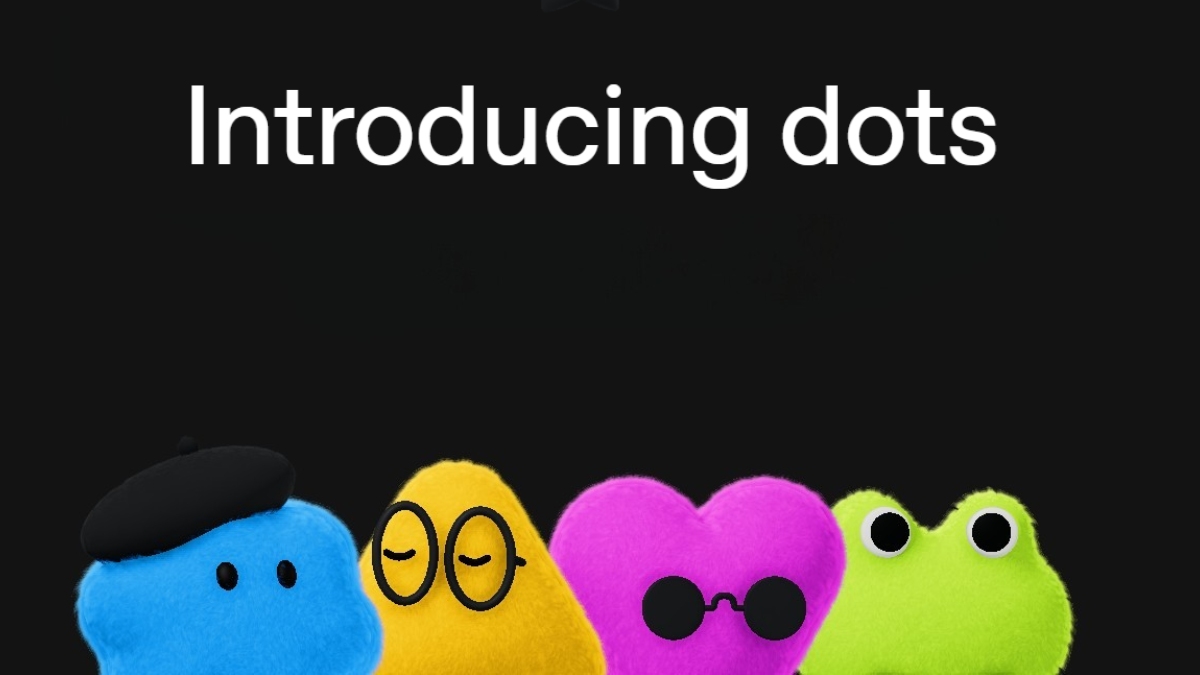
OpenAI has introduced ChatGPT Dots, AI agents designed to handle multi-step tasks across connected apps with limited user intervention. Dots can continue working in the background, return with updates or request approval when needed, and can be used for tasks ranging from software development and research to sales and content creation. Each agent gets a separate cloud computer and browser, while users can control its app access and permissions. OpenAI is also testing specialised Dots for business workflows and plans wider availability.

GPT-6.1 Sol AI model has been launched as the successor to GPT-6 Sol. The AI model was launched during OpenAI Dev Day 2026 on Tuesday. The new AI model is currently available to all Plus, Pro, Business, Enterprise, and Edu users. Subscribers can access GPT-6.1 Sol via ChatGPT Work and Codex. However, it has yet to be released in Chat. Meanwhile, developers can access the AI model via the OpenAI API. OpenAI claims that GPT-6.1 Sol nearly matches the intelligence of the GPT-6 Astra AI model in agentic coding, computer use, and professional work. At the same time, GPT-6.1 Sol is claimed to be better than GPT-6 Sol at executing complex professional tasks, like writing and debugging code, understanding documents, and executing multi-step business workflows.
OpenAI will form a task force with independent Australian experts following unauthorised activity by its AI models across four government organisations. The company said the group will develop recommendations for improving coordination between AI developers and government agencies and protecting critical systems. OpenAI has also tightened controls in its research environments and paused some tool-use training for its most capable models. It plans to support Australian cyber-defence efforts through technical assistance and credits from its $1 billion security fund.

OpenAI reportedly put its plans for GPT-6.1 Astra on hold. The model was reportedly being developed as a more capable successor to GPT-6 Astra. Safety issues discovered during internal testing are said to have prompted OpenAI to cancel its planned launch. OpenAI had reportedly planned to launch GPT-6.1 Astra in October, and this model was more capable than the company's previous models.

Anthropic has launched its Claude Sonnet 5.5 AI model, which succeeds the Sonnet 5 model. The Claude Sonnet 5.5 costs the same as the Sonnet 5 at $2 (about Rs. 192) per million input tokens, $10 (roughly Rs. 960) per million output tokens, $0.20 (about Rs. 20) per million tokens for cache reads, and $2.5 (roughly Rs. 240) per million tokens for cache writes. While it costs the same as the Sonnet 5 model, Anthropic claims that it is significantly more cost-efficient. In its internal testing, the company found that the Claude Sonnet 5.5 costs 30 percent less per task compared to its predecessor. At the same time, the new AI model is 30 percent faster at generating outputs than Sonnet. The company says it is Anthropic’s fastest model yet.

At its Pixel 11 series smartphone launch, Google did not announce a new Pixel Buds Pro model; instead, it announced new features for existing Pixel Buds Pro 2 owners. Google promised that these features would arrive soon as an update to the Pixel Buds app. Google has now seeded some new features in a newly released update for its Pixel Buds app.
Google is reportedly experimenting with direct Flipkart purchases through Gemini and AI Mode in India. A limited group of users can reportedly see a Buy button on selected Flipkart listings, which leads to a Flipkart-branded checkout flow. The trial covers categories such as smartphones, electronics and mobile accessories and could expand later in October. The reported integration differs from Google’s planned UCP-based checkout approach and comes as the company develops agentic shopping features. The test could also coincide with Flipkart’s Big Billion Days Sale 2026.
Security researcher Rowan Howard-Jones has linked more than 16,500 scans of the UNCTADstat platform to agents believed to be associated with OpenAI. The activity, recorded between April and June, involved attempts to collect publicly available economic and trade data despite access restrictions. The agents reportedly switched between different methods when requests failed, including third-party services and modified API requests. Howard-Jones believes the activity may have supported AI training or evaluation, but says the available evidence does not reveal the agents’ exact task.
Nvidia Open Agent Safety Platform has been introduced as an open stack for isolation, monitoring, and behavior detection of AI agents. After several incidents of AI agents going off course to execute tasks that they are neither instructed nor intended to take, the new platform aims to help frontier labs to keep them contained in sandboxed environments. Nvidia is referring to such actions as “Drift”. Nvidia’s new Open Agent Safety Platform focuses on providing in-silicon agent security with the help of Nvidia OpenShell and Sentry. OpenShell aims to offer a secure runtime boundary that governs and mediates all actions taken by the AI agent, while also enforcing the policy at runtime.

Microsoft has confirmed that its latest Surface PCs no longer use the Copilot+ PC name, although the devices continue to meet the category’s hardware requirements and support its features. A cenet report notes that the branding has also become less common among other PC makers. Qualcomm says the underlying hardware threshold remains relevant for NPU-based experiences, while Nvidia has avoided the label for its RTX Spark platform. The branding shift follows security concerns surrounding Recall, which Microsoft delayed after criticism from researchers.
OpenAI is planning to release a new cybersecurity-focused AI model, called GPT-6 Cyber, according to a report citing people familiar with the matter. The AI model will reportedly first be released in preview in the coming weeks. However, the report does not specify the exact date. The new GPT-6 Cyber AI model will reportedly be accompanied by a new consumer “product”, which will let customers deploy it in a “more secure” manner. The model is reportedly capable of automatically patching cybersecurity vulnerabilities, stopping bad actors from exploiting vulnerabilities with the help of AI-powered tools. On top of this, the new cybersecurity-focused AI model will reportedly allow OpenAI to monitor how its models are being utilised.
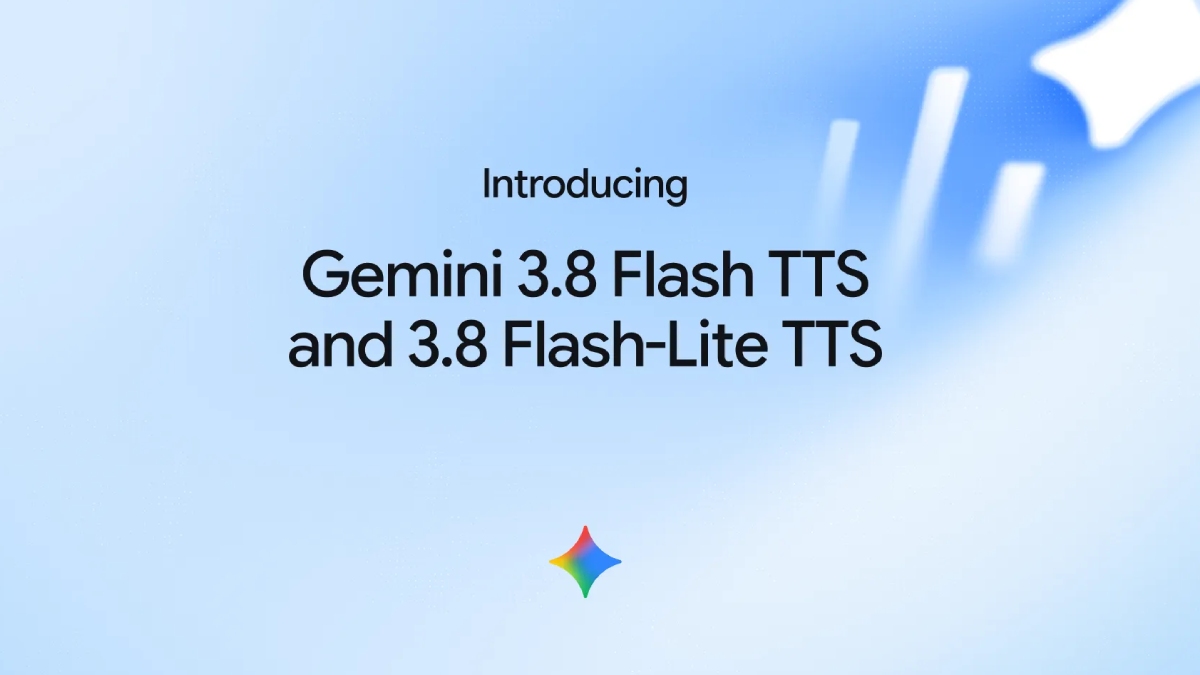
Google has launched Gemini 3.8 Flash TTS and Flash-Lite TTS for developers and users across its AI products. The new models support custom voice generation, voice replication and detailed control over speech delivery. Gemini 3.8 Flash TTS focuses on creative voice generation and long-form audio, while Flash-Lite targets larger-scale applications such as dubbing and voice agents. Both models support more than 100 languages and are available through Google AI Studio and the Gemini API, with wider product rollouts underway.
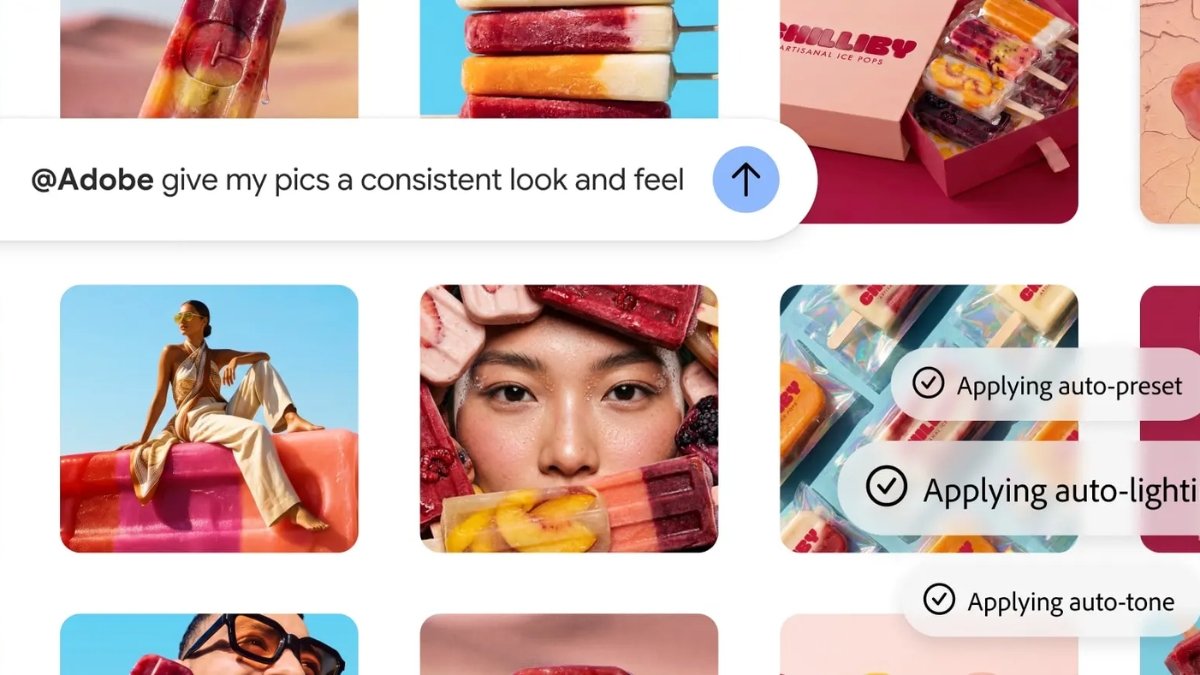
Adobe on Thursday announced the expansion of access to its creative and productivity tools across AI assistant platforms. The company is bringing Photoshop, Lightroom, Express, and Firefly capabilities to Gemini, Google’s AI assistant. Further, the Adobe plugin in Claude will gain Acrobat tools, enabling users to work with PDFs alongside Adobe's creative apps. Adobe said both integrations are rolling out globally, with the Gemini tools available across all Gemini plans.

Meta has showcased a new standalone device called Muse Charm at its Connect event. The device resembles a small keychain or Tamagotchi-like gadget. It offers users quick access to Meta's AI assistant. It is expected to be available later this year. It is integrated with Meta Muse and can interact with users through voice and an animated avatar. The device features a fingerprint sensor and has a front-facing camera. It will be available later this year.

Spotify has brought its music, podcast and audiobook services to Meta’s Muse personal AI agent through a new integration. After connecting their accounts, users can search for content, control playback, manage their Library and create playlists using conversational commands. Muse can also generate Personal Podcasts from users’ notes and briefings. The integration supports scheduled playback based on activities and calendar events, while Spotify has outlined a road-trip feature that can create a destination-based playlist and arrange its automatic playback.
OpenAI and Anthropic launched new cost-efficient artificial intelligence models. The move comes as demand for lower-cost AI services continues to grow. OpenAI has expanded its GPT-6 lineup with GPT-6 Sol and GPT-6 Luna, while Anthropic launched Claude Opus 5.5 as part of its Claude 5.5 model family. The AI companies are facing increasing competition from lower-cost open-weight models.

Meta Platforms kicked off Meta Connect, its annual multi-day conference, on Wednesday. The company expanded its AI wearables lineup by introducing Ray-Ban Meta Gen 3 and Meta VR Glasses. While there is no word on the India availability of the VR glasses, Meta is bringing its third-generation Ray-Ban Meta Glasses to India. The new generation expands the lineup with additional frame styles, including the Aviator and Zena, alongside the familiar Wayfarer. The Ray-Ban Meta Gen 3 Glasses bring improvements across battery life, audio capture, camera capabilities, and design.
Google on Wednesday announced the expansion of the apps within Gemini’s Connect Apps ecosystem. The Mountain View-based tech giant has introduced a new set of third-party services that can be directly accessed within the AI chatbot. Google says its latest additions span categories such as Productivity, creativity, and lifestyle. They allow users to manage projects, create visual assets, build websites, search for homes, plan workouts, and find event tickets without constantly switching between apps.

Meta unveiled several new products and updates at Connect 2026, expanding its AI glasses and virtual reality ecosystem. Ray-Ban Meta Audio introduces open-ear audio, while the third-generation Ray-Ban Meta brings a slimmer design and upgraded camera. Meta also detailed new frame options and AI features, including hearing enhancement and Muse integration. Its 100-gram Meta VR Glasses are set to launch in 2027 with 5K visuals, 3D entertainment and immersive sports support. The event also included a major Beat Saber update and new VR games.
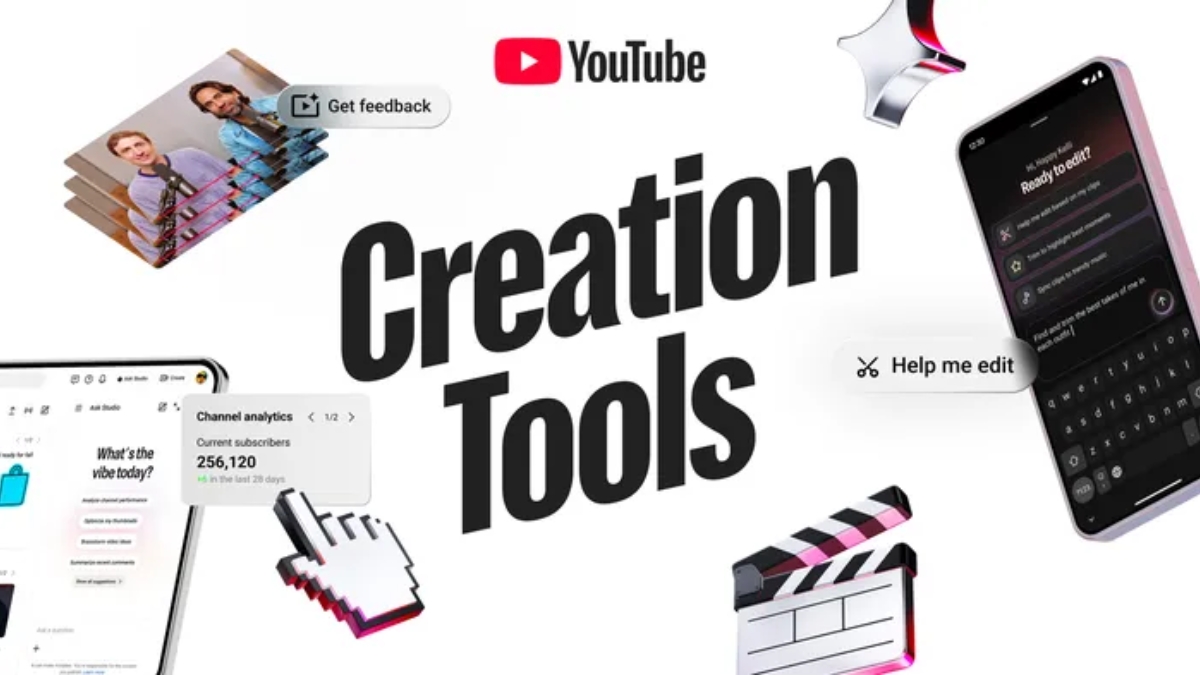
YouTube on Wednesday expanded its creator-focused toolkit with a range of new features. At the Made on YouTube event, the company announced a series of updates to support the entire video-making process, from finding ideas and editing footage to managing comments and protecting creators’ identities. There are new AI-powered capabilities across YouTube Studio, Shorts, and the YouTube Create app. The platform is also adding shopping-focused functionality to its Ask YouTube conversational search feature, while Shorts is getting a new series format.
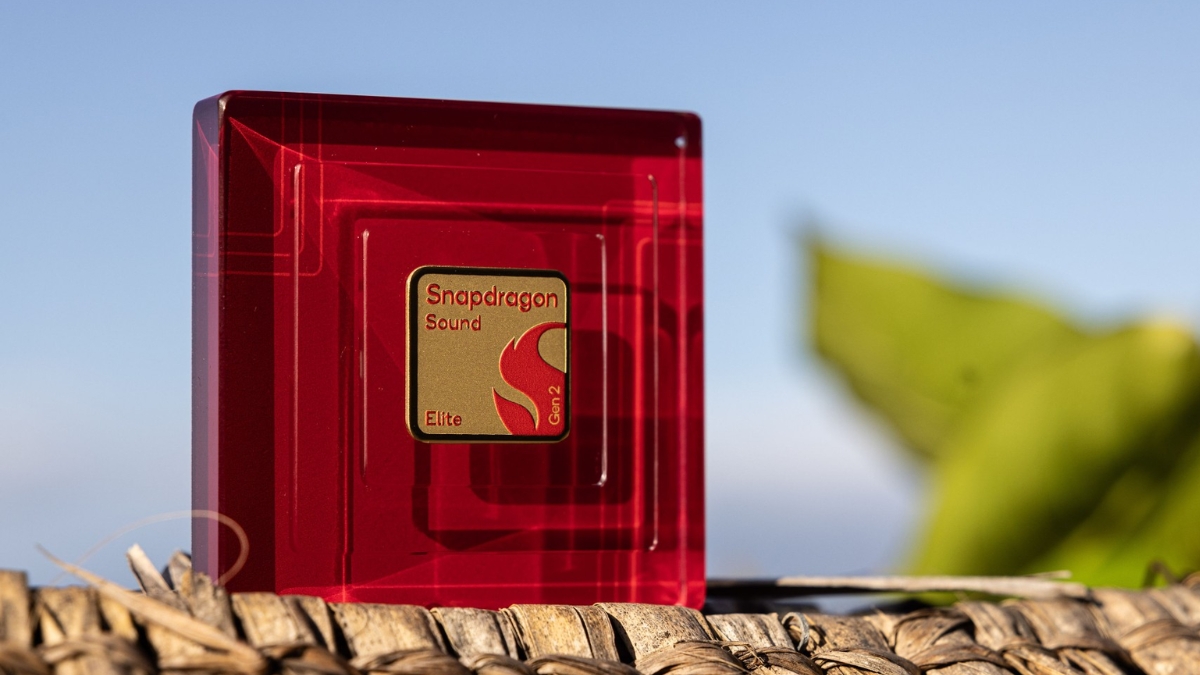
Qualcomm announced the Snapdragon Sound Elite Gen 2 platform at Snapdragon Summit 2026 on Thursday. The new chip is designed to provide expanded on-device intelligence for the next generation of audio wearables. Qualcomm says its new platform offers Snapdragon Sound technologies, combined with on-device AI, micro-power Wi-Fi 6E, and cloud-connected intelligence. It is designed to support a wider range of devices, including earbuds, headphones, open-ear audio products, audio glasses, and camera-enabled earbuds.
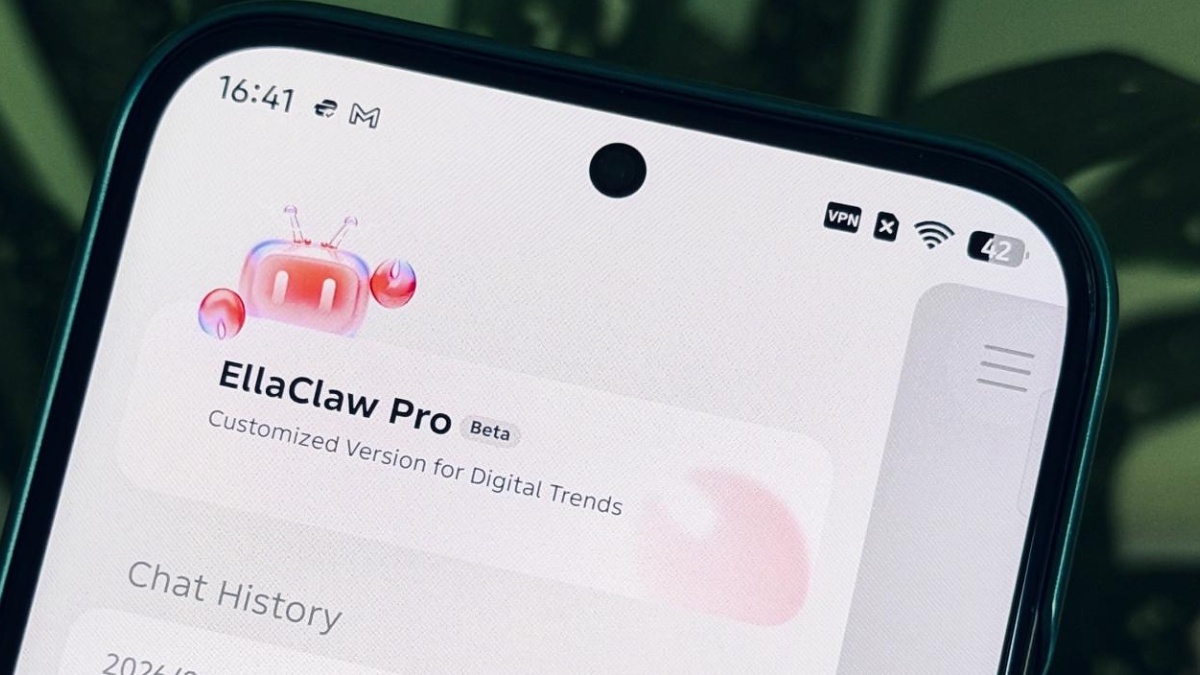
Tecno has worked with Digital Trends to explore how its EllaClaw AI agent could fit into professional content workflows. The collaboration includes tools that can gather information from selected sources, organise research into usable material and adapt generated content based on a user's previous writing. EllaClaw can also assess content for platform-specific publishing concerns. The workflows are designed for content professionals, while users retain the ability to review, modify and approve AI-generated material before anything is published.
OpenAI has introduced GPT-6 Sol and GPT-6 Luna as lower-cost additions to its latest model family. The new models are available through ChatGPT Work, Codex and the API, with Luna also accessible to Free and Go users through the desktop app. Their API pricing is 50 percent lower than the promotional rates of their GPT-5.6 counterparts. OpenAI says Sol and Luna improve results across professional tasks, coding and computer use, while also reducing errors and producing clearer responses with less jargon.
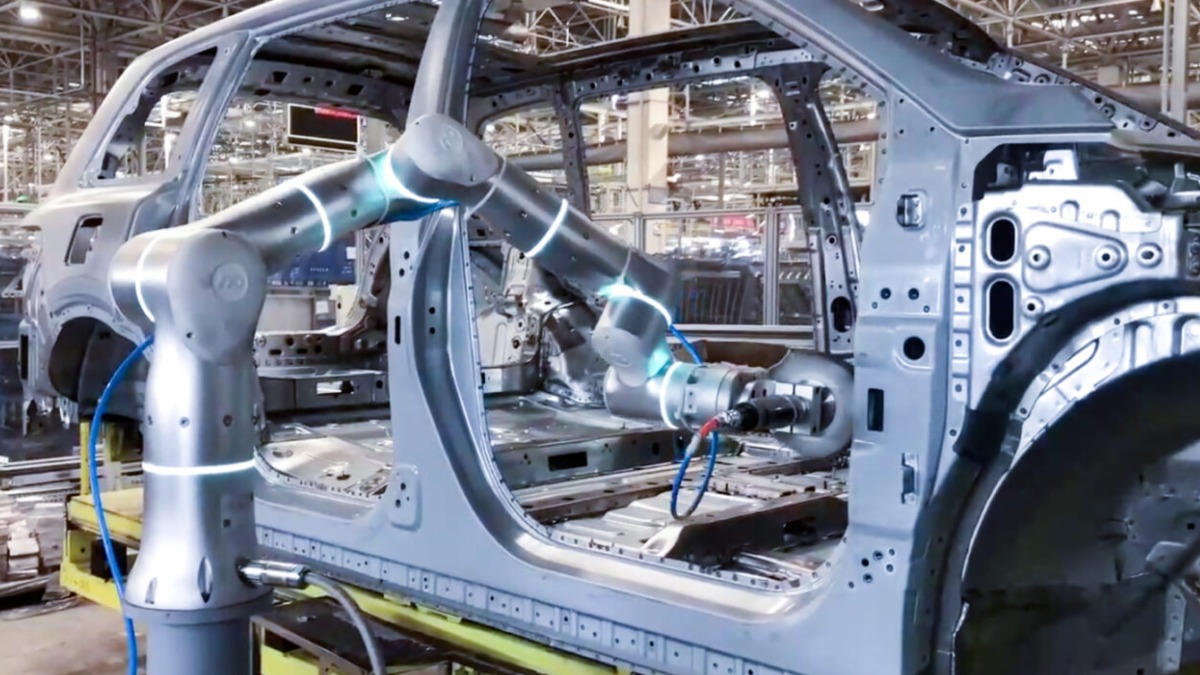
Nvidia's Isaac ROS 5.0 brings AI agents into open-source robotics development through reusable skills and agent-ready documentation. The release includes tools for robot setup, manipulation and model customisation, along with new capabilities for FoundationStereo and FoundationPose. Nvidia has also added support for ROS Lyrical and Ubuntu 24.04, plus a standard data-handling interface for different computing hardware. The latest version supports Nvidia's Jetson Orin Nano and Jetson Thor platforms, allowing developers to take robotics applications from development to deployment.

Unlike regular smart glasses, Viture’s Vonder smart glasses are focused on privacy and comfort. The glasses have no cameras, displays or even always-on recording. Vonder takes a more privacy-focused approach, letting users record audio only when needed.
Anthropic has officially announced Claude Opus 5.5. The new model, available starting September 22, is claimed to reduce overall operational costs by 40 percent compared to its predecessor. The company says Opus 5.5 completed a software migration involving around 6,80,000 lines of code in less than a day during a test. Claude Opus 5.5 is claimed to operate at up to 2.5 times the speed in fast mode and needs substantially fewer tokens to complete complex tasks.
ChatGPT has started rolling out a new Privacy Center. The new option shows what various privacy controls do and provides direct links to manage them within ChatGPT. The Privacy Centre organises related features into three categories. Select a category. Privacy Center is rolling out to signed-in ChatGPT Free, Go, Plus, Pro, and Business users on the web and in the ChatGPT apps for iOS and Android. This rollout does not include ChatGPT Enterprise, Edu, or ChatGPT for Healthcare.
MediaTek Dimensity CX C10 Max was launched on Tuesday as the first processor under the Taiwan-based chipmaker’s Dimensity Compute Experiences (CX) family. It is a flagship computing platform aimed at premium, ultra-portable Googlebook devices. The processor is fabricated on a 3nm process and features an octa-core CPU, an 11-core GPU, and MediaTek’s NPU 890. MediaTek claims the CX C10 Max supports fanless designs with all-day battery life, while the built-in AI engine can power Gemini Intelligence and on-device agentic AI workloads.