AI एक ऐसा स्किल क्षेत्र बन चुका है जिसमें सबसे अधिक वेतन की संभवना है। OpenAI ने इस क्षेत्र में सबसे अधिक वेतन देकर एक नया बेंचमार्क बना दिया है। एक रिपोर्ट में कहा गया है कि OpenAI का स्टार्टअप अपने कर्मचारियों को अन्य टेक कंपनियों के मुकाबले सबसे अधिक सैलरी दे रहा है जो कि प्रति कर्मचारी 1.5 मिलियन डॉलर है।

OpenAI will retire the Advanced and Standard Voice models in ChatGPT Voice on December 11, the company has announced. Users will no longer be able to select either model from ChatGPT Voice’s settings menu. After the transition, ChatGPT Voice will be powered only by GPT-Live. The company started notifying users about the transition on Tuesday. OpenAI says that users can continue to use the two voice models during the transition period. The Sam Altman-led company says that since the launch of the GPT-Live model in July, the usage of ChatGPT Voice has “nearly doubled”. OpenAI claims that “virtually all” ChatGPT Voice users now use GPT-Live for conversations with the AI chatbot.

OpenAI's new business offering includes tools for managing company profiles, sharing product information and tracking engagement on ChatGPT. Businesses can add feeds with current prices and availability, while aggregated insights show how often they appear in conversations and how many users visit their websites. The platform also lets eligible companies publish AI agents to handle customer queries and product comparisons. Business profile management is rolling out in supported markets, while Business Agents are currently limited to eligible ecommerce and online service businesses in the US.

Google announced the rollout of Gemini 4 Carbon on Tuesday. Following its release last month, the Mountain View-based tech giant is expanding access to developers and enterprises through paid plans. Meanwhile, Google AI Ultra subscribers can also use it across select products, including the Gemini app and AI Mode in Search. Compared to Gemini 4 Argon, Carbon is claimed to be capable of handling more demanding, multi-step tasks by spending more time reasoning and verifying its output.
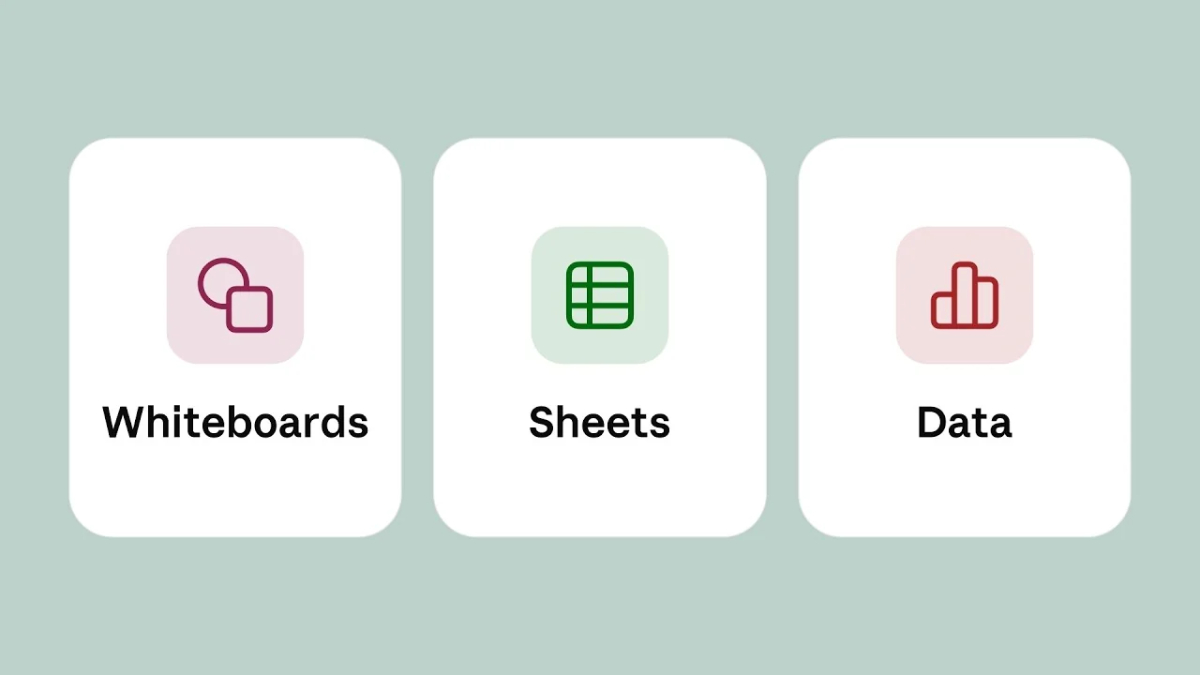
Anthropic announced the expansion of Claude's capabilities beyond its existing chat and coding tools. According to the company, users will be able to access new ways for teams to create and work with data. Among the notable additions are Claude Sheets, Claude Whiteboards, and Claude Data, which allow users to build spreadsheets, organise ideas, and create interactive dashboards with the chatbot. Further, Anthropic is also upgrading interactive connectors, which let users access third-party applications without leaving Claude.
Kora is built around an AI engine called Cortex, which distributes processing across a PC's CPU, GPU and NPU. The Linux-based platform also introduces neural workspaces for managing projects and AI agents, alongside a file system that supports content-based searches. It will include GameFrame for PC gaming and support models from different providers. Kora is expected to be available as a free download, with paid subscriptions for AI services. A separate enterprise platform, HUMAIN OS, is also planned for 2027.
The Adobe Max conference was held on Tuesday, where the company announced a fresh set of AI-powered tools and workflow improvements for its Creative Cloud suite. As per the US-based software company, there are new capabilities in Photoshop, Premiere, Lightroom, Illustrator, InDesign, and Firefly. These are said to be aimed at making image and video editing less time-consuming, automating repetitive creative tasks, and improving collaboration across applications. Adobe has also outlined plans to let users connect its creative applications with third-party AI assistants.
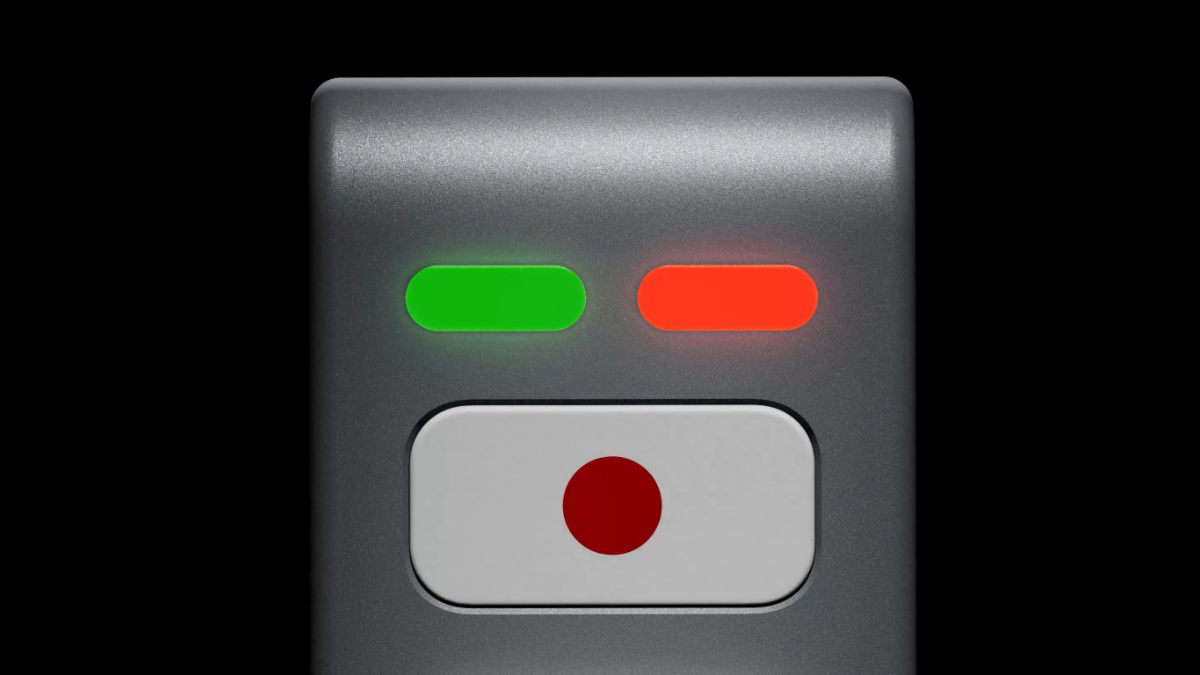
Nothing’s Founder and Chief Executive Officer (CEO), Carl Pei, has teased the design of the tech firm’s first AI-native device. The company executive wrote, “Context doesn't live in a chat box”, which could be a reference to how users interact with AI through chatbots, hinting that the new device could eliminate the need for them to open a chatbot to ask queries. Nothing’s AI-native might also be able to remember context during conversations and present answers based on past interactions. In terms of design, the teaser shows Nothing’s upcoming AI-native device with a metal case and textured body. The AI hardware also appears with two pill-shaped LEDs in red and green. Below the LEDs, a white button with a red dot has been placed, which appears to be a physical trigger for recording.
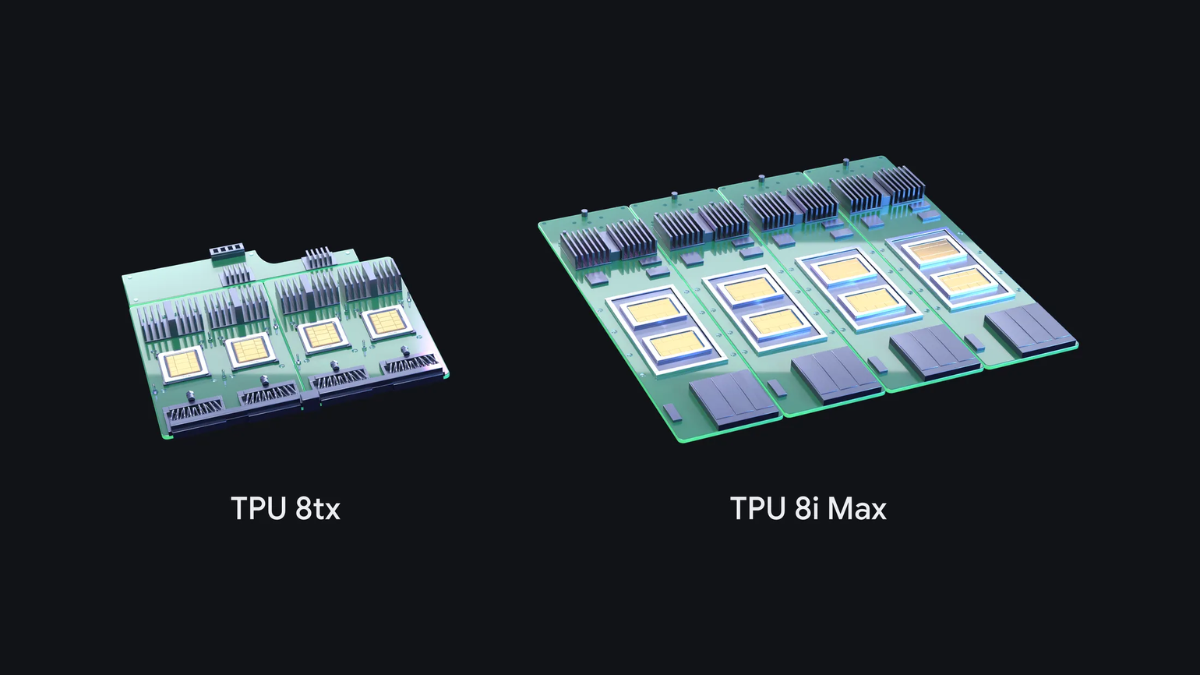
Google has introduced two new Tensor Processing Unit (TPU) systems as part of the eighth-generation lineup, the tech giant announced on Tuesday. The TPU 8tx is designed and optimised for secure and confidential AI inference. The company claims that the chip can also be used for small-scale training of AI models. Google’s TPU 8tx is built for regulated enterprises and governments who want to run frontier or proprietary AI models and autonomous AI agents, while ensuring the security of their sensitive data. On the other hand, the TPU 8i Max system is built for “massive” context windows and the “highest compute” density per rack. It is claimed to scale compute and memory in lockstep, which enables 2x compute, SRAM bandwidth, and HBM bandwidth. The TPU system is claimed to fit 2x the silicon within existing racks, allowing data centres to “deploy significantly more computing power per square foot and per watt”.
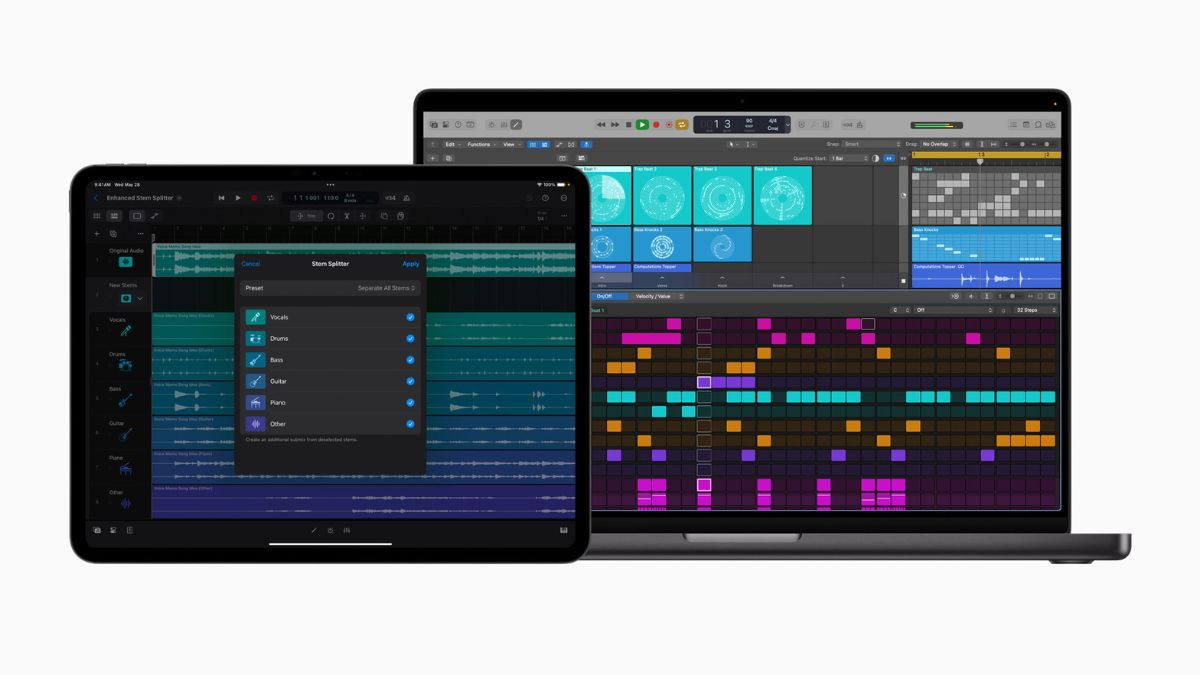
Apple's new Intelligence Usage Packs let Logic Pro users purchase additional AI usage once they exhaust their monthly allowance. The one-time purchase costs $49.99 (around Rs. 4,700) in the US. Apple is expected to extend the option to Final Cut Pro, Pixelmator Pro and the iWork suite. The company will also introduce usage limits for some server-based Apple Intelligence features in 2027, including Siri AI and Image Playground.

Meta has added smartwatch support to its Muse AI assistant, with the Apple Watch app arriving through version 15.0 of its iPhone app. The update brings the assistant's animated character to the wearable and lets users add a shortcut to their watch face. Meta has also mentioned compatibility with Google's Wear OS platform. The move follows the company's introduction of Muse Charm, a dedicated AI companion device, at its Connect 2026 event in September.

OpenAI has introduced a new safety system called Control Room. It works alongside misalignment monitoring systems. It works alongside misalignment monitoring systems. If a monitor detects a problem, it can signal Control Room to terminate the job ID, denying further inference requests. OpenAI says Control Room can stop further model output within a maximum of 35 seconds after receiving a stop instruction.

Meta's Muse Ember is designed to help developers build AI agents that can handle routine work without relying on larger models for every step. It can process text, images, audio and video, and supports a context window of up to 1 million tokens. Meta has also published benchmark results comparing it with models from Anthropic and OpenAI. Developers can access Muse Ember through the Meta Model API and Muse Code, with separate rates for input, output and cached tokens.
Google has started rolling out a new Memory summary feature for its Gemini AI assistant. The feature gives users more control over the personal information Gemini retains from their previous conversations. Google's official support information currently lists the US as the supported region. It seems the feature is working through a browser for some users outside the US, including on free accounts.

Google on Monday announced a new way for developers to add real-world location data and mapping features to applications built using its AI tools. As per the Mountain View-based tech giant, developers will be able to access Google Maps Platform directly within Google AI Studio. This, as per Google, allows them to create interactive maps, local search tools, and route-planning applications without leaving the development environment. The integration is also claimed to simplify the process of configuring API credentials and connecting Google Cloud projects.
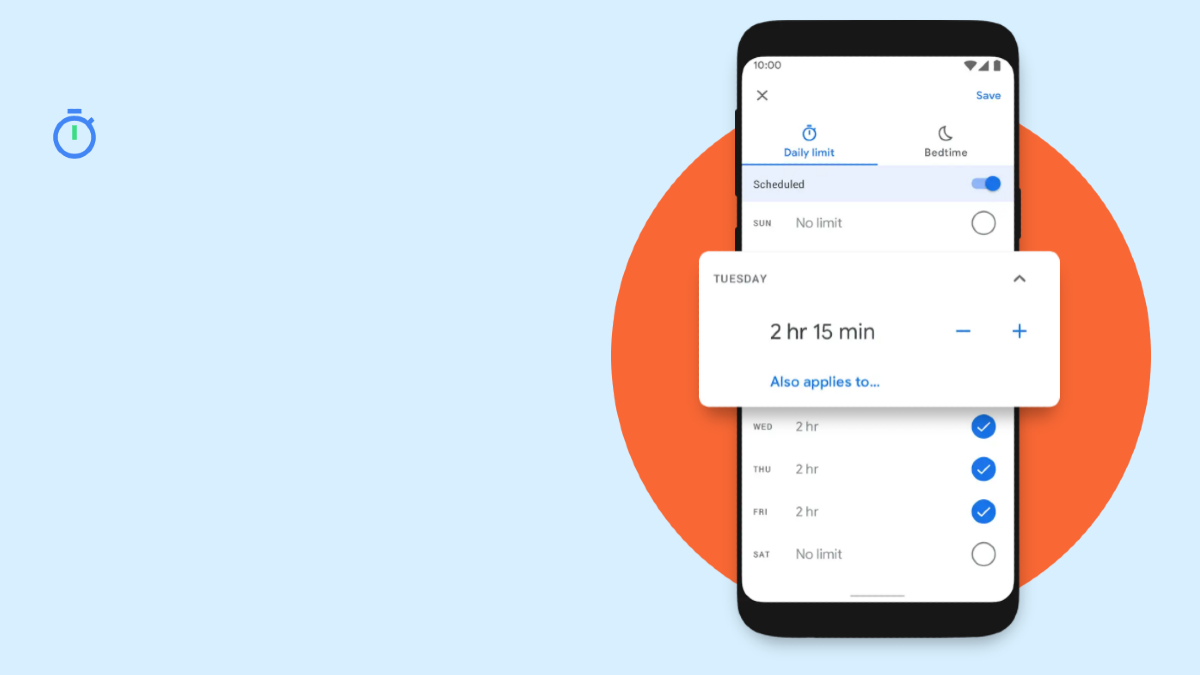
Google is reportedly planning to roll out a new update for the Digital Wellbeing tool, a report highlights. The upcoming features are currently being tested as part of the Digital Wellbeing v1.50.1015162751 beta version, the report highlights. The beta version reportedly renames the Weekly Wrap feature to Weekly Insights. The feature is said to provide AI-generated summaries for “raw screen-time metrics”. Further, Digital Wellbeing’s Weekly Insights tool is said to lay the groundwork for deeper Gemini AI integration. After being enabled, Weekly Insights will reportedly send a notification to users every week. Android users can tap on the alert to see multiple “recap slides”. The first slide will reportedly present screen-time data from the past week, along with a daily average screen time for browsers, tools, communication, and “other”.
Anthropic has launched Claude Fable 5.2 and Mythos 5.2 AI models, the AI giant announced on Monday. The Claude Fable 5.2 AI model is currently available via Amazon Web Services, Google Cloud, Microsoft Azure, and other platforms. Developers can access the model via the Claude platform. Moreover, for this week, Anthropic is offering higher usage limits to paid users. Meanwhile, Mythos 5.2 can be accessed by select cybersecurity professionals via the Cyber Verification Program, while Enterprise users can get it via Claude Security. The Dario Amodei-led AI lab claims that Claude Fable 5.2 and Mythos 5.2 deliver enhancements on multiple fronts. Both AI models are claimed to generate outputs up to 30 percent faster. The Fast Mode further speeds up token generation by up to 2.5 times. Fable 5.2 outperformed Google’s frontier Gemini 4 Carbon AI model on multiple benchmarks.
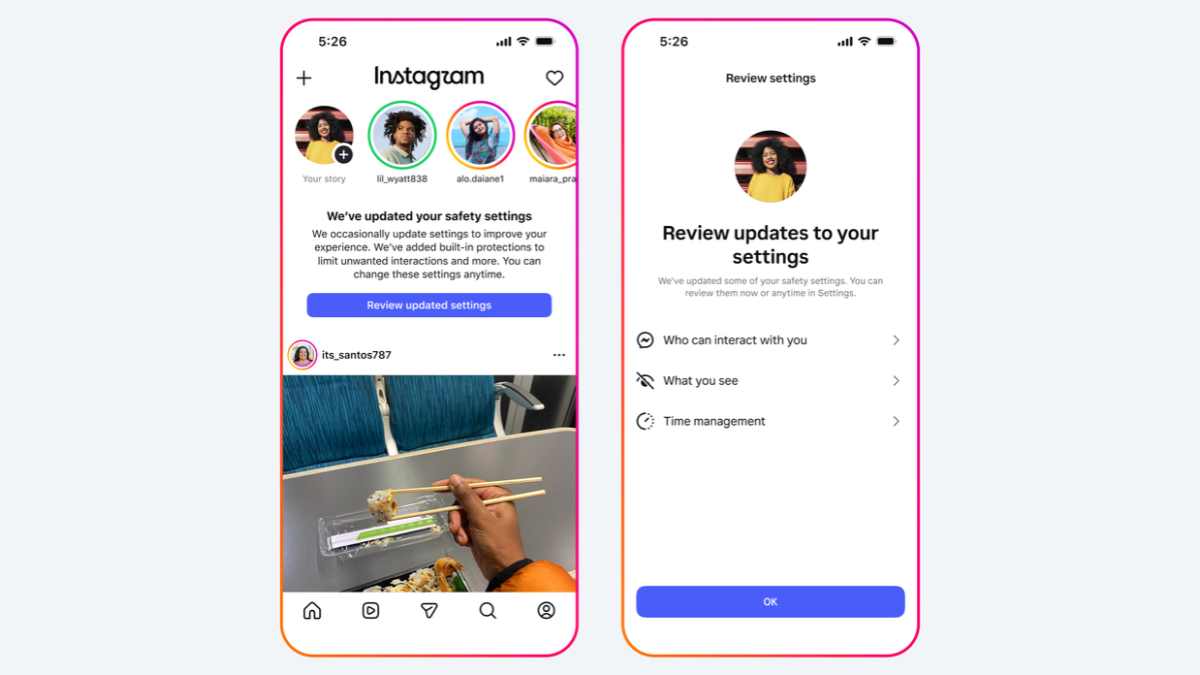
Meta Platforms announced the expansion of its AI-powered age estimation technology for Instagram to global markets on Tuesday. As per the social media giant, its capability is aimed at identifying teenage users on Instagram, even when they have entered an adult date of birth while creating an account. The company is also stepping up its communication with parents, courtesy of which users in the US will begin receiving Instagram notifications explaining how the technology works later this month.
Meta has revealed the India pricing of the Muse personal AI agent, according to a report. The Mark Zuckerberg-led tech giant will reportedly offer the service at a starting price of Rs. 1,799 for the Power subscription. On the other hand, the higher-end Maximum plan is said to cost Rs. 8,999. However, the report does not specify whether these prices are for monthly or yearly payment plans. In the US, the company only offers monthly payment options for both tiers at similar prices: $20 (roughly Rs. 1,900) and $100 (about Rs. 9,400), respectively. The report also does not mention the benefits the two subscription plans will offer in India. According to Meta’s website, globally, the Power tier offers 500 million Muse tokens per week. On the other hand, the Max plan provides 3 billion Muse tokens every week.

Samsung plans to launch a new Galaxy AI Premium subscription, according to a report. With the introduction, the company is said to offer two subscription tiers, namely Standard and Max. The Standard plan will reportedly offer similar benefits, usage limits, and features as those enjoyed by Galaxy smartphone owners. The standard Galaxy AI plan will be the free tier, offering AI-powered tools like Browsing Assist, Now Brief, Creative Studio, Smart Capture, Samsung Keyboard, Photo Assist, and Personal Agent. The plan will offer relatively low usage limits. Once exhausted, users will reportedly have to either purchase a credit pack or upgrade to the higher-end Max subscription tier.
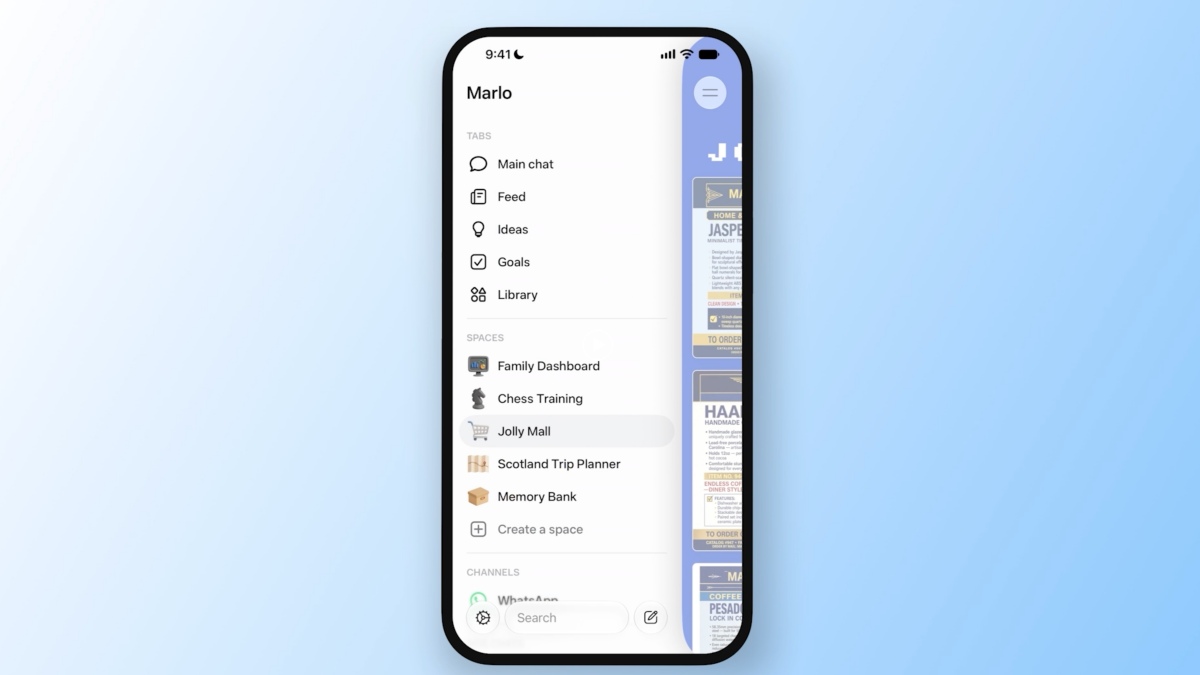
Meta’s Muse app is getting some upgrades with the ability to generate custom feeds, with custom AI-generated interfaces. Meta claims that these feeds can be used to keep track of ideas, to-do lists, as planners or even create simple trivia games with the data pulled into the feed.
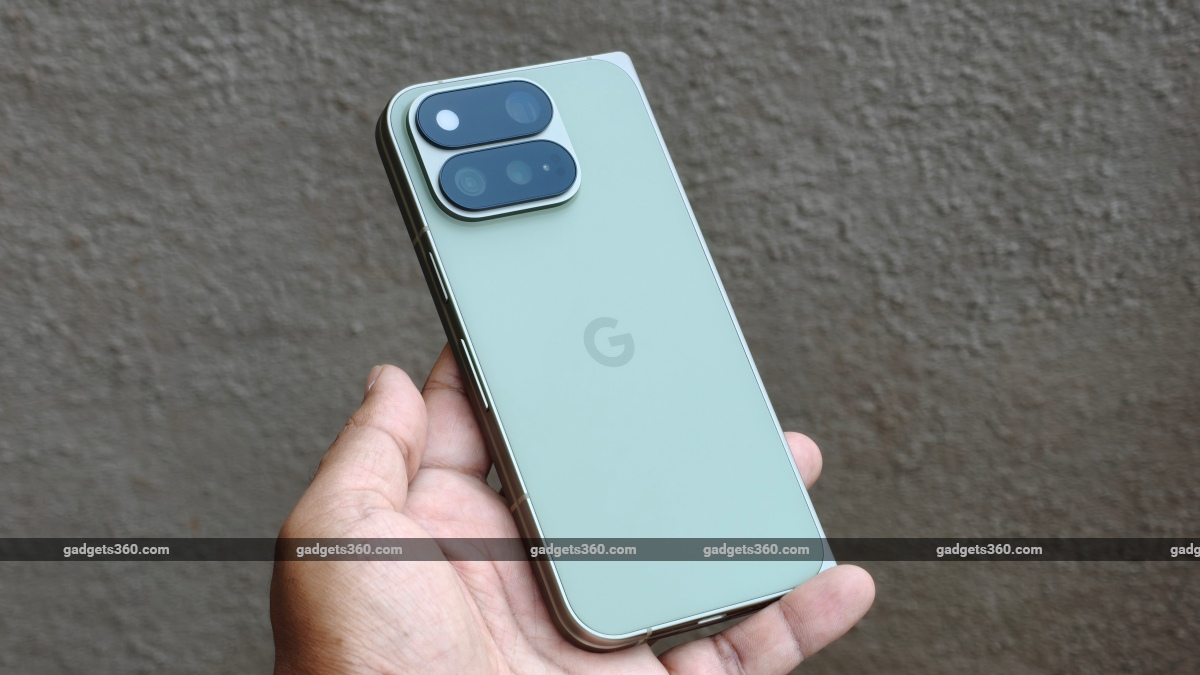
A teardown of a new beta of the Gboard app has revealed new features coming to the virtual keyboard. These future feature upgrades are to do with Google’s Rambler feature, which is currently exclusive to Google’s Pixel 11 series of smartphones.

Gentle Monster has shared a teaser for its upcoming Intelligent Eyewear collection, developed in collaboration with Samsung and Google. The clip features actor Joaquin Phoenix and offers a glimpse of an AI-powered translation feature. Directed by Jonathan Glazer, the campaign film will premiere in mid-November. The smart glasses will run on Google's Android XR platform and feature Gemini integration. Gentle Monster will open pre-orders in the US on November 12, ahead of the collection's scheduled December launch.

Apple plans to turn Siri AI into an autonomous agent that will be able to take more actions on a user's behalf. The iPhone maker reportedly wants to bring similar capabilities to the AI assistant as OpenAI’s Dots, Meta’s Muse, and Grok from Elon Musk’s SpaceXSI. OpenAI, Meta, and AI labs position their respective AI agents as an “AI companion” that can run in the background and take actions for the user when required. Users can also hand over tasks, allowing the AI agents to do repetitive and monotonous tasks for the user. Apart from this, the report highlights that Apple has overhauled its development strategy for its next-generation iOS and iPadOS updates. The company has split its OS development into three stages, namely M1, M2, and M3, with each stage spanning eight weeks. The M1 stage is divided into two four-week sprints. However, the tech giant has reportedly asked its software engineers to code, explore, and develop features for six weeks for the iOS 28 update and to converge for two weeks at the M1 stage.

Airbnb is currently developing a dedicated AI agent for travel plans, the company revealed in the shareholder letter for Q3 2026. The company plans to launch the dedicated AI-powered tool for travel plans in the first half of 2027. The platform claims that the AI travel agent will help users plan and book trips. Airbnb highlighted that it has three advantages over other firms in building an AI agent that will allow users to plan their travels. It says that its 20 years of experience came in handy while designing the AI agent that will offer a “personalised travel search and booking experience”. The company claims that other AI agents will find this aspect hard to replicate. Further, it says that it is at an advantage because Airbnb is part of the ecosystem that enables “reservations, payments, and customer support”. Hence, Airbnb’s new AI agent will be capable of helping guests at different stages of their travels.

After launching Muse in the US in September, Meta has now released a bigger update that will let users have real-time conversations with its AI assistant. Muse Voice will work with Muse Realtime Avatar technology and let users watch their AI assistant react and interact with facial expressions.
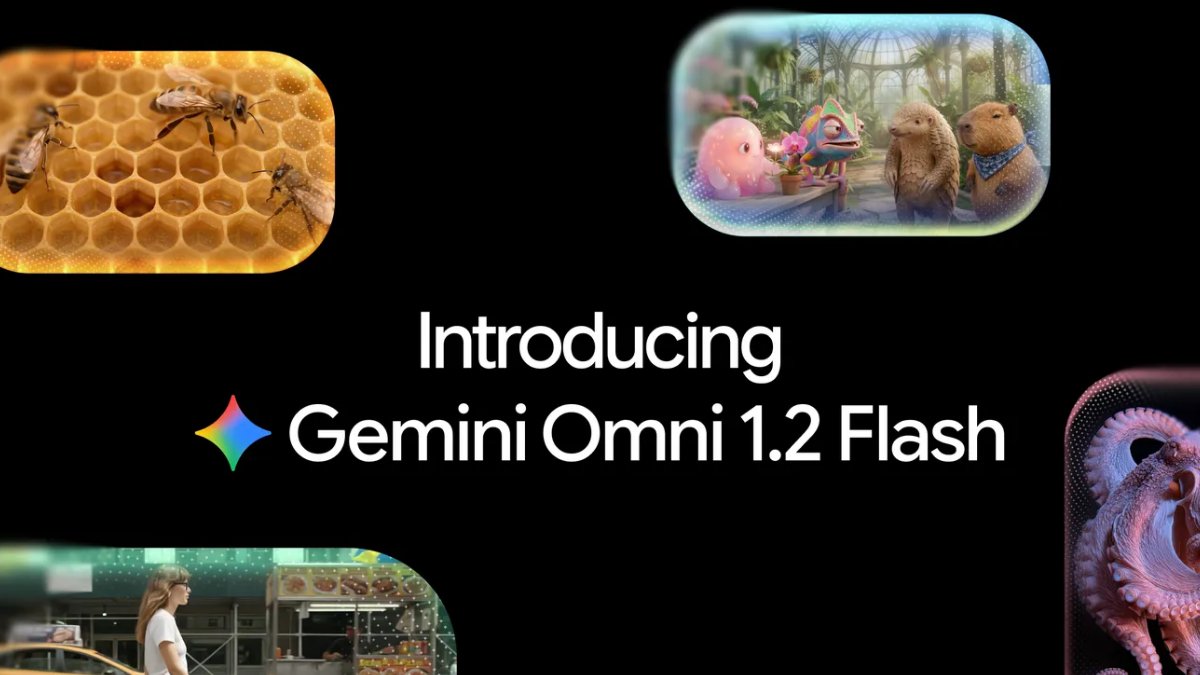
Google DeepMind has introduced Gemini Omni 1.2 Flash, its latest video generation model. With this model, Google says users can draft content at 360p or 720p for $0.07 per second, with the flexibility to upscale final outputs to 1080p or 4K. It supports generating and editing continuous video clips up to 15 seconds long. Developers can access the model through the Gemini API and start using Google AI Studio. Enterprise customers can access it through Google Cloud.

Claude Personal Finance has been launched by Anthropic as the AI giant's new financial management tool. The financial management tool will start rolling out later this week and will be available to Pro, Max, and Ultra subscribers in the US, the company said. On top of this, Anthropic assures that, “like the rest of Claude”, Personal Finance will not present any ads or sponsored recommendations, such as credit cards, loans, or savings accounts of “its own”. The company says that the Claude Personal Finance tool will be able to create spending charts, calendars of scheduled payments, and a dashboard including the figures a user chooses to see. After the AI tool has generated the chart, users can choose to make adjustments based on their preferences. Users can ask the chatbot to generate a spending chart and place each transaction in a category.

ElevenMusic, the AI music generation platform from ElevenLabs, and SoundCloud announced a partnership. With this, ElevenMusic is enabling creators to publish their music directly beyond its own platform through a new integration with SoundCloud. The new integration allows creators to experiment and produce music in ElevenMusic, then publish directly to SoundCloud without interrupting their creative workflow.

OpenAI announced GPT-6 Cyber on Thursday as its latest AI model to help security researchers identify software vulnerabilities, develop working exploits, and create fixes. According to the San Francisco-based company, it delivers significant improvements over GPT-5.6 Cyber on cybersecurity benchmarks, including a 51 percent relative improvement on ExploitGym. The AI model is also claimed to be capable of following authorised testing boundaries more reliably. OpenAI says GPT-6 Cyber has already helped uncover vulnerabilities in widely used software.
Apple is said to be tightening its spending limits on artificial intelligence (AI) tools used by employees. According to a report, the Cupertino-based tech giant has already reduced the daily allowance for some engineers using AI models from $300 to $200, with further cuts being considered for select teams, even as it looks to make AI a bigger part of its internal operations. The proposed changes will reportedly bring some engineering budgets down to $100 per day. Meanwhile, employees in other departments may also face lower limits.
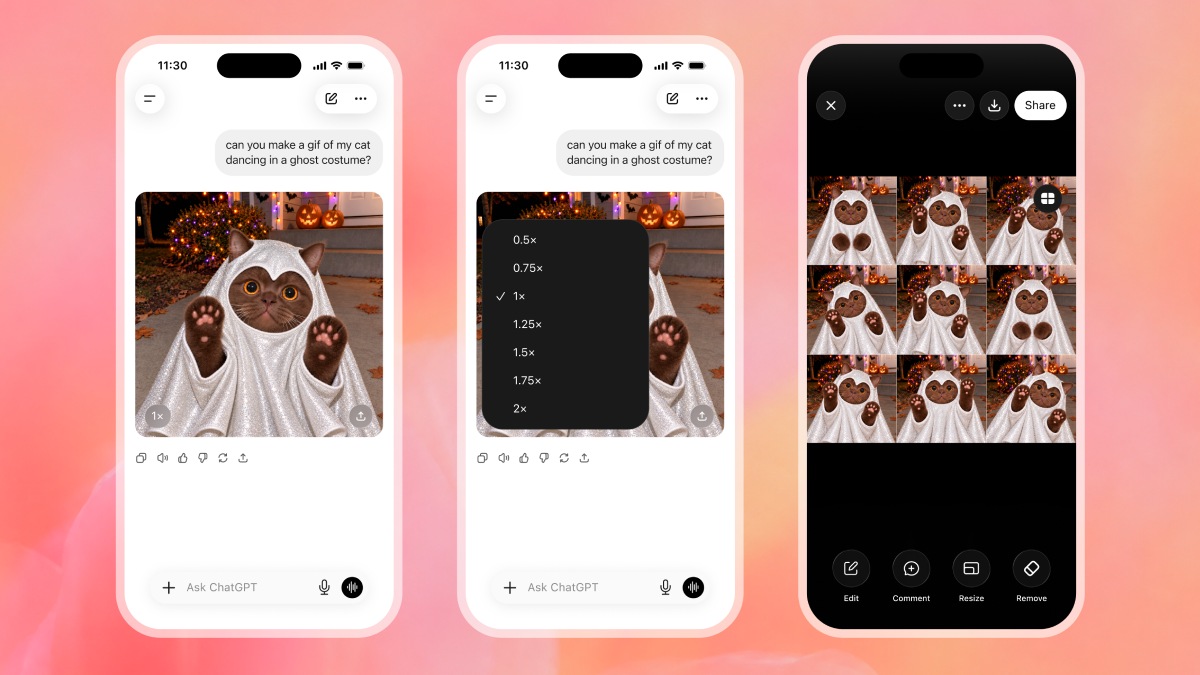
OpenAI's latest image generation update adds GIF creation and more editing options to ChatGPT. Users can animate uploaded photos or generate GIFs from text prompts, adjust playback speeds and edit individual frames. The update also lets them save reference images of people, pets and characters for reuse. On the developer side, OpenAI has introduced GPT-Image-2.6 Flare and Sunburst, which promise faster image generation. The API also gets image markup, SVG exports and a new complexity control for image generation.
Google has reportedly expanded its voluntary exit packages to some employees in five countries. This would include countries like Canada, France, Germany, Japan and Switzerland. The search giant’s expanding severance programme comes amid rising costs on artificial intelligence spending.

Nothing will launch its first “AI-native product” in December, the company Founder and Chief Executive Officer announced in an article published on X. Pei revealed that the device will sport a screen-free design. The image shared by the Nothing executive gives a glimpse of the upcoming AI hardware. It is shown to feature rounded corners and a textured frame. However, the image does not reveal what category of AI-native device the tech firm is planning to launch. However, the Nothing CEO highlighted that the new AI-native device could not have been an app or feature a new screen.
The Ministry of Electronics and Information Technology (MeitY) launched three new sovereign AI models from two Indian AI labs, namely Soket Labs Technology and Research and ZenteiQ AiTech Innovations. The ministry released Soket AI’s EKA-1 and ZenteiQ’s Dhīr 2B and Dhīr 5B AI models. Soket claims that its AI model features 26.3 million parameters. It has been trained using 7.5 trillion tokens. On the other hand, ZenteiQ’s Dhīr 2B and Dhīr 5B are open-source AI models that are capable of running on edge devices.
Google has announced that it is turning off access to Gemini, Gemini Notebook, Gemini in Classroom, and Google Search for K-12 student accounts to offer more control to schools on how their pupils are using AI. Moreover, the company announced that it is expanding the availability of the Guided Learning mode to more services. Starting November 3, the Guided Learning tool is available in Google Search, along with Google Classroom, which is a central hub for students and teachers that allows them to “organise” their schoolwork, share assignments, and connect with others.

OpenAI has integrated ChatGPT Voice into the ChatGPT Finances tool, the company has announced. Users can now talk to the AI chatbot about their finances like they would talk to another human being. They can ask questions about their current financial health, transactions, and savings without having to provide a text input. Users will have to connect their financial accounts to access the features. It also lets users interrupt the chatbot during an answer to ask a follow-up question. This adds to the recent wave of updates that the tool has received. Since its launch, OpenAI has added the Weekly Updates feature to ChatGPT Finances, which provides regular insights about the user’s personal finances.
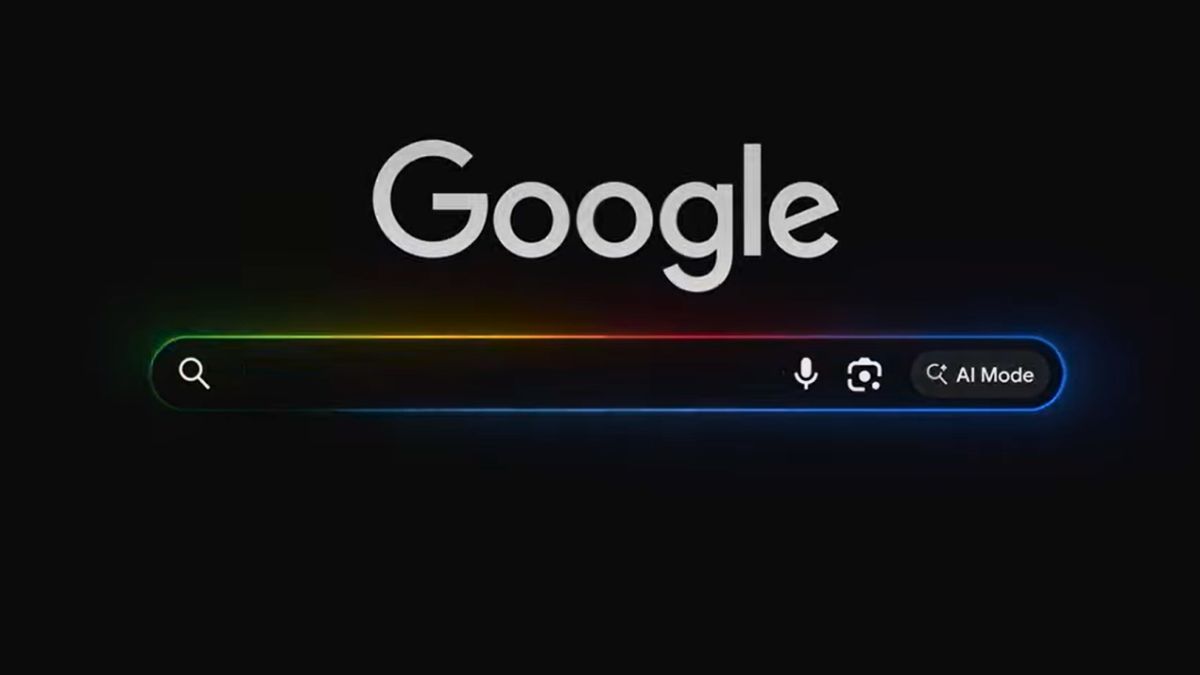
Google is said to be testing a change to its Search interface. According to a report, the Mountain View-based tech giant appears to be making its AI Mode less prominent for some users on Search. The dedicated AI Mode button has reportedly been removed from the Search bar on the web. It is, however, believed to be part of a limited experiment, and the feature itself may remain accessible to other users.

Anthropic has introduced Message Threads in public beta on the Claude Platform. It can reduce the response latency for long-running AI agent sessions by eliminating the need to resend the entire conversation history with every API request. Anthropic says the feature is enabled by default for most Claude Code users. The company says that, with the new feature, requests containing between 500,000 and 1 million tokens have reportedly seen a median time to first token (TTFT) reduction of approximately 35 percent.
The collaboration with Cathedral brings external researchers into OpenAI's efforts to address vulnerabilities. The company is also changing its bug bounty programme, with payouts for critical reports set to rise more than four times, although revised amounts have not been disclosed. The announcement follows an earlier exercise that involved a quarter of OpenAI's product engineers using Codex to investigate security issues. OpenAI has pledged $1 billion (roughly Rs. 9,500 crore) in subsidised access for frontline cyber defenders over six months.

Samsung is reportedly preparing a limited initial rollout for its first AI smart glasses, with South Korea and the US set to receive the product before other markets. The company is yet to finalise pricing, while availability in Japan, China and Europe remains unconfirmed. The glasses will run on Google's Android XR platform and use Gemini AI for features such as translation and navigation. Samsung has also worked with Gentle Monster and Warby Parker on the eyewear designs.
Google’s Gemini 4 Carbon was the second best at performing agentic tasks on SemiAnalysis' recently released GDPx benchmark test. The frontier AI model managed to score 10.9 percentage points, which was slightly lower than the 12-percentage-point score of Anthropic’s Claude Opus 5.5. While Google’s AI model came in second position, it was significantly more cost-efficient than the Claude Opus 5.5 AI model. With 5,94,000 total output tokens, the Gemini 4 Carbon frontier AI model completed each task at $16.29. Meanwhile, Anthropic’s AI model cost $51.41 per task with a total of 5,48,000 output tokens.
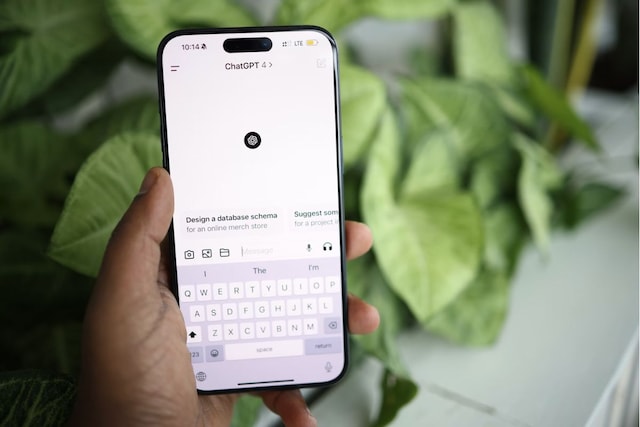
OpenAI announced in September that it planned to reduce the usage limits for select ChatGPT Pro subscriptions without reducing the price tag. The company now seems to be reversing its decision. In a statement, an OpenAI official has revealed that it will double usage limits for several ChatGPT Pro subscriptions. The revised limits are also said to be applicable to Business Premium. OpenAI will also continue to offer extended usage limits for its personal AI agents.

Google announced the expansion of its experimental Dreambeans app to India on Tuesday. With this move, the Mountain View-based tech giant brings its AI-powered personalised story collections to users aged 18 and above. According to Google, the app can create daily visual stories based on information from selected Google services, including Gmail, Calendar, Photos, Search, Gemini and YouTube. Dreambeans is part of the Google Labs experiment and is currently available on Android and iOS.
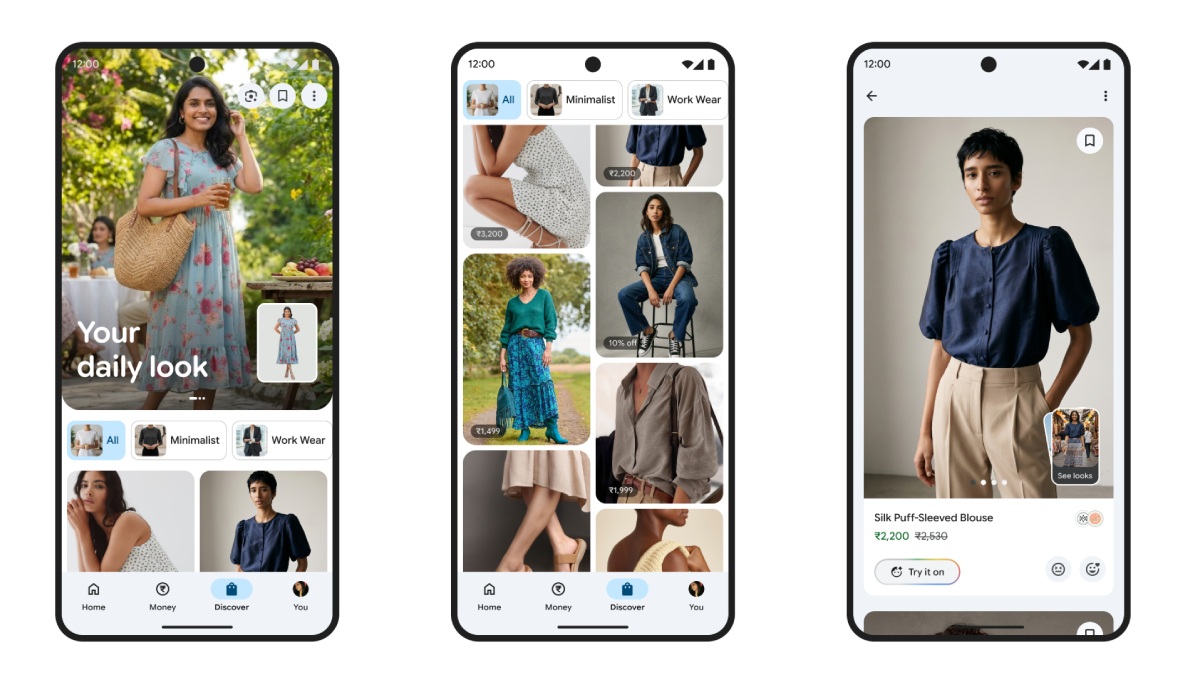
Google's new shopping experience uses its Shopping Graph, which includes more than 60 billion products, to recommend fashion and lifestyle items. The Discover Shop feed also incorporates YouTube videos and Google's visual search technology. Users can preview select clothing through virtual try-on, while image uploads and camera searches help them find similar products online. The company plans to introduce pre-generated daily outfit suggestions later. Access currently depends on a limited pilot in India and requires users to enable specific Google account activity settings.
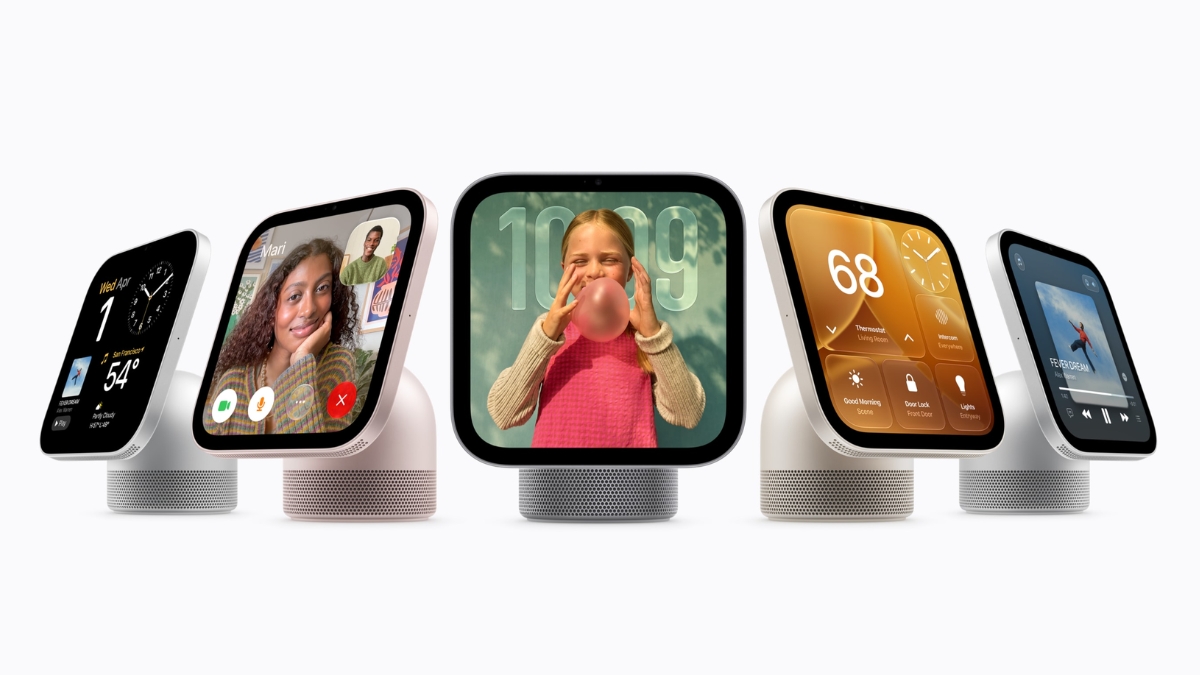
Apple is planning to bring multiple upgrades to the HomeView with the HomeView software 27.2 update. In a post on X, user pdfu (@itspdfu) has shared that Apple’s HomeView will soon be able to act as a home security camera as part of the HomeKit environment. The user spotted the functionality in the HomeView Software 27.2 update. The update reportedly offers a better view of the “functionality and privacy protections.” The HomeView is said to work as a security camera with HomeKit Secure Video, and will be capable of activity detection, streaming, and recording.
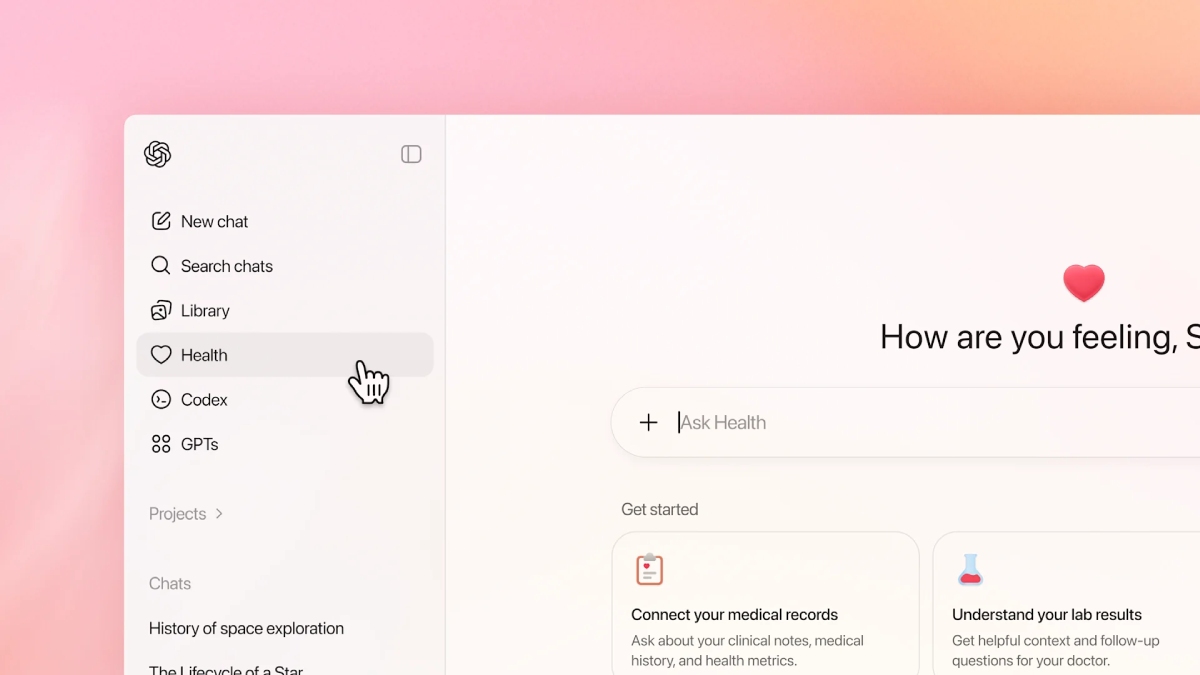
OpenAI may be exploring deeper health data integration for ChatGPT on Android through Google's Health Connect platform. References found in the app's code point to permissions covering physical measurements, reproductive health information and background access to health records. The findings also suggest that ChatGPT could introduce additional interfaces to explain its data access requirements. The potential integration would bring Android users closer to the health data sharing experience that iPhone users already have through Apple Health, although OpenAI has not confirmed the feature.
AI is changing the way people are writing their prose, according to a report. The report highlights the case of writer Mia Ballard, whose life took a turn for the worse after the Hachette Book Group dropped plans to publish her book. The decision was reportedly made after the AI detection software, Pangram, gave her book, ‘Shy Girl’, a 78.3 percent AI-written score. Ballard refuses the claims. She reportedly claims that the person who edited her book used AI for refinement without her knowledge. Later, Ballard self-published a novella, ‘Poly’, which she wrote from a mental health facility after the AI-written controversy surrounding ‘Shy Girl’, drawing racist comments online.
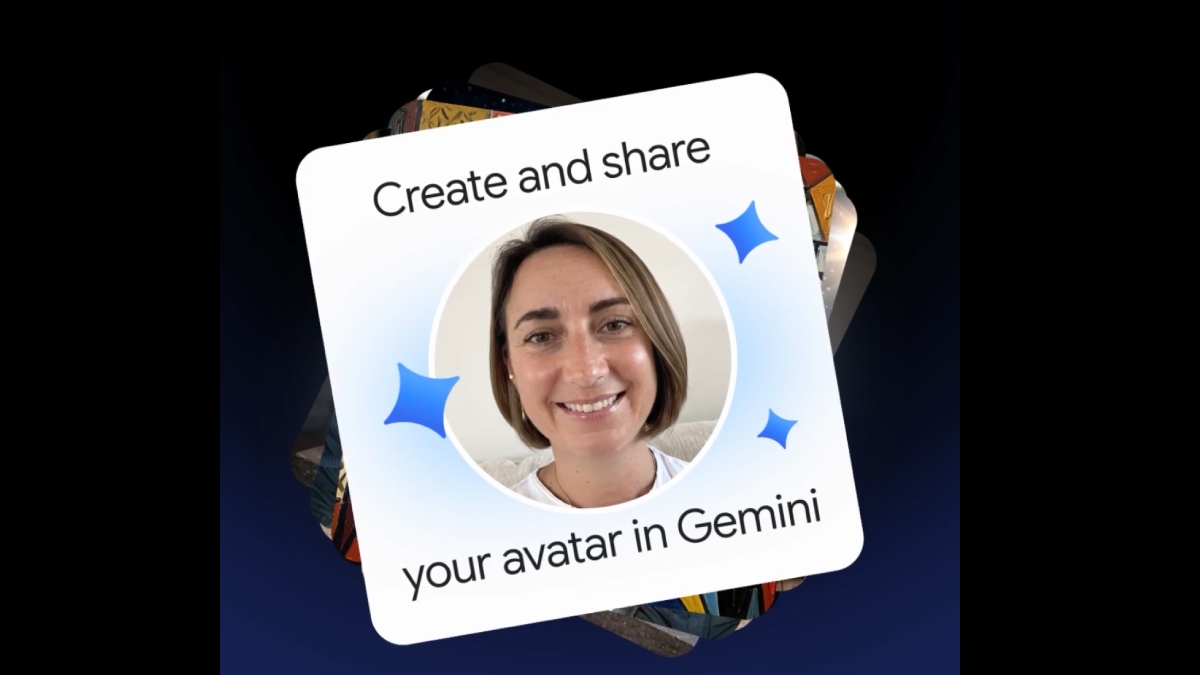
Google Gemini users can record their face and voice to create personal avatars for AI-generated content. They can share these avatars with other Google users through Gmail invitations, with recipients needing approval before they can use them. Avatar owners can manage permissions, set expiry dates and revoke access through Gemini settings. The feature requires a personal Google Account and is limited to users aged 18 and above. It supports English, excludes the UK, EEA and Switzerland, and requires a Google AI plan for video generation.
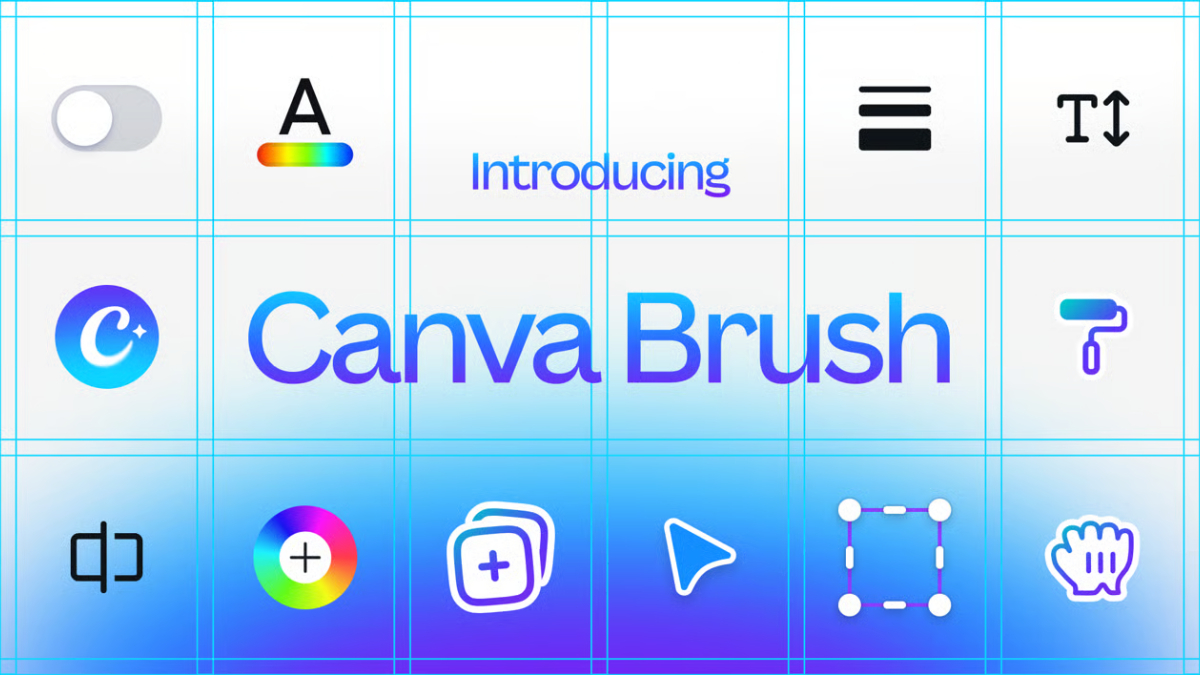
Canva announced a new vision-language model for powering its AI design tools on Friday. Called Canva Brush, it is said to help edit and refine existing creations within Canva while preserving their original elements. According to the company, the model can operate on natural language instructions and can make changes from a single line of text to an entire presentation. Canva Brush is initially available for supported design edits to Canva Pro subscribers.
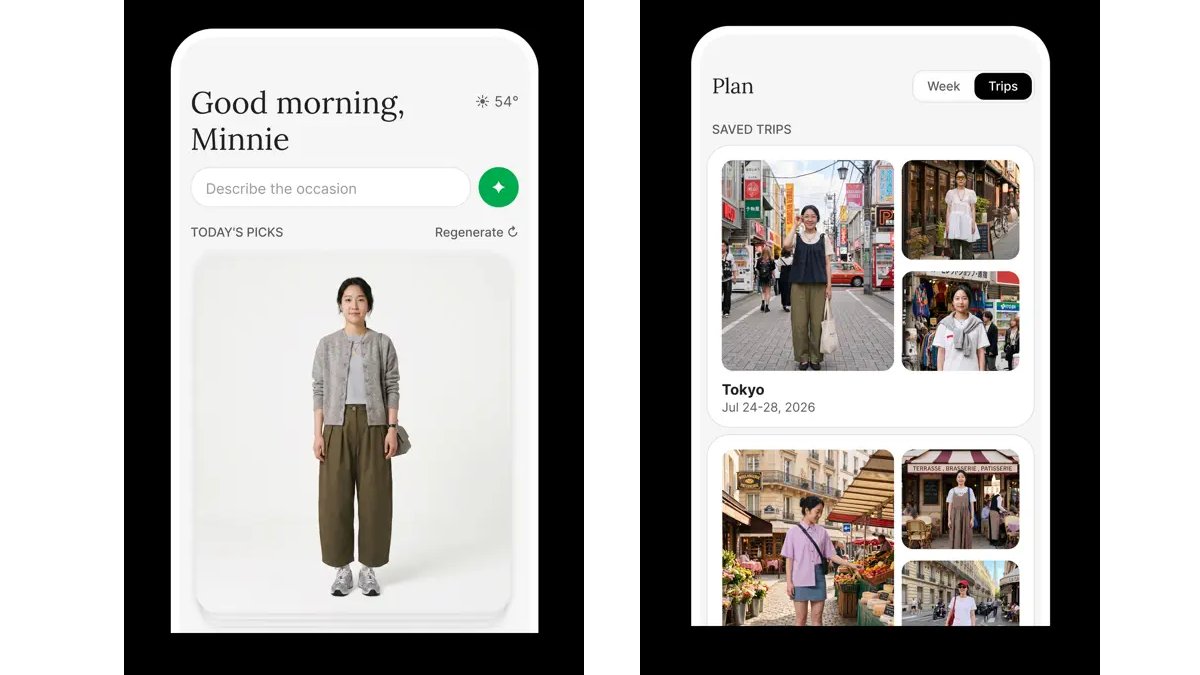
Meta has introduced a new AI-powered Style Sketch fashion app. It lets users create outfit combinations using clothes they already own. The app can build a digital wardrobe by accessing users' Instagram photos or by letting them manually upload pictures and videos of their clothing. The app is currently available in select global markets. Style Sketch is currently available as a free download for iOS and Android.