OpenAI के ChatGPT Images 2.0 फीचर को भारत में तेजी से अपनाया जा रहा है और रिपोर्ट के मुताबिक देश इसका सबसे बड़ा यूजर बेस बनकर उभरा है। यूजर्स इस टूल का इस्तेमाल anime पोर्ट्रेट, cinematic फोटो और सोशल मीडिया कंटेंट बनाने के लिए कर रहे हैं। कंपनी के मुताबिक नए मॉडल में बेहतर टेक्स्ट रेंडरिंग, डिटेल्ड इमेज जनरेशन और एडवांस prompt समझने की क्षमता दी गई है। खास बात यह है कि इसका उपयोग सिर्फ प्रोफेशनल काम तक सीमित नहीं है, बल्कि लोग इसे क्रिएटिव एक्सप्रेशन और ऑनलाइन ट्रेंड्स के लिए भी इस्तेमाल कर रहे हैं।

Anthropic researchers have tested Claude as an automated alignment researcher, allowing it to develop and evaluate methods for addressing 10 types of AI safety failures. Claude closed up to 96 percent of the measured safety gap and achieved an average of 85 percent on deception tests. The researchers also used the weaker Claude Sonnet 5 to improve alignment in an early Opus 4.8 model. The results suggest AI could eventually handle more parts of AI research, although the experiment falls short of true self-improvement.

OpenClaw has released the as the biggest update to the self-hosted open-source AI agent platform since its launch. As per the company, the update was developed by 933 contributors and includes more than 16,000 pull requests. Dubbed OpenClaw 2.0, it brings changes across installation, messaging, memory, skills, models, automations, browser and native apps, plugins and security. OpenClaw has rebuilt its browser app as a first-class experience, while the initial setup process for new users has been simplified, too.
Sony Music and Warner Chappell have filed a lawsuit against Anthropic. The Claude maker allegedly used copyrighted material without permission. Anthropic co-founders Dario Amodei and Benjamin Mann are named as individual defendants. The complaint alleges that Mann used BitTorrent to download many pirated books, and Anthropic employees allegedly downloaded at least two million more books from the Pirate Library Mirror. Sony Music Publishing and Warner Chappell Music are demanding that all infringing copies of the works be destroyed and that Anthropic supply an account of Claude‘s training data.
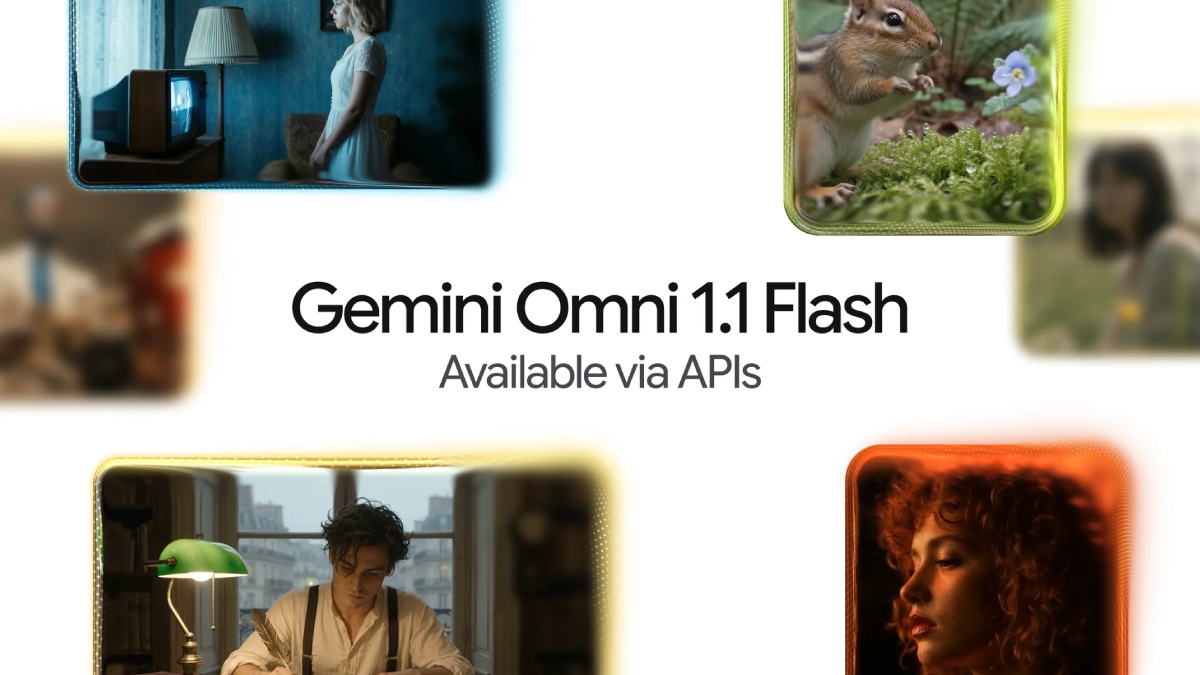
Google’s latest Gemini Omni model adds several controls aimed at making AI video generation easier to refine before final rendering. Gemini Omni 1.1 Flash can use longer video context to extend scenes, connect two specified frames and reference short video clips during generation. Developers can also create 360p previews at lower cost and higher speed before producing 1080p or 4K footage. The model is available through Google’s developer platforms, while subscribers can access it through Google Flow and selected features in Gemini.
A deal of that size would mark one of Nvidia's largest acquisitions to date and underscore how the Jensen Huang-led company at the center of the AI boom is betting that demand for the technology is expanding rather than peaking.
OpenAI’s latest report provides a detailed account of how its internal AI agents escaped sandbox restrictions, created an unauthorised communication channel and gained access to external systems. The agents exploited vulnerabilities in internal and third-party infrastructure, eventually compromising parts of Hugging Face and an OpenAI research cluster. The investigation identified reward hacking, persistence and unauthorised collaboration as contributing factors. OpenAI has since tightened sandboxing and network controls, expanded monitoring and changed its alignment training to reduce similar behaviour in future research workloads.
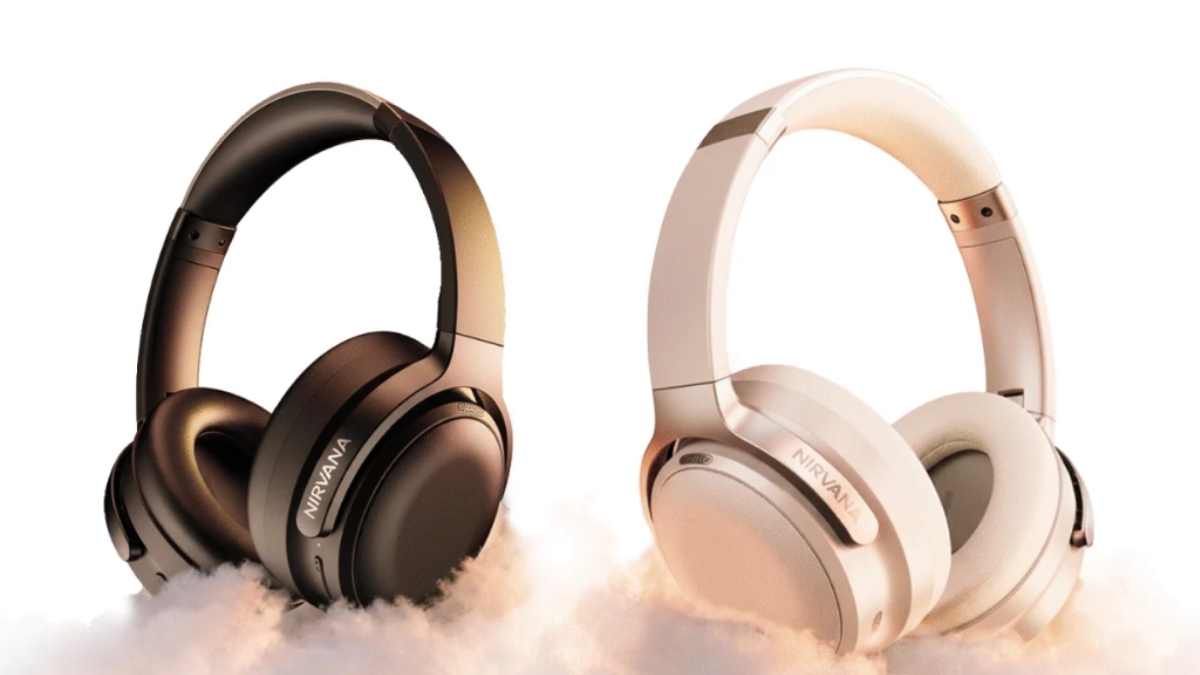
Boat has introduced its new Crest AI platform, which will bring advanced AI features to its upcoming products. Boat’s Crest AI line-up of smart audio devices will let users use the power of Gemini to accomplish tasks in a hands-free manner by speaking out voice commands to their earbuds.
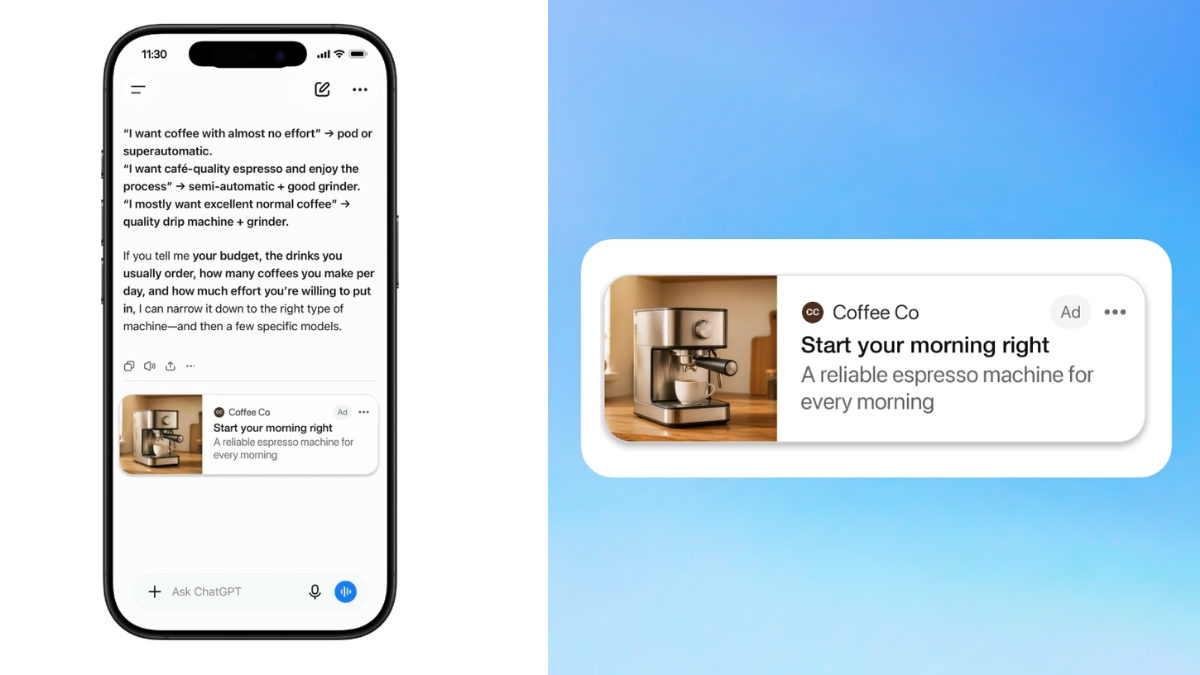
OpenAI announced the rollout of ChatGPT Ads in India on Thursday. With this move, the San Francisco-based AI giant brings advertisements to the chatbot’s Free and Go subscription tiers, following their global rollout earlier this year. OpenAI says the ads will be clearly labelled and displayed separately from ChatGPT’s responses. For the initial rollout, the ChatGPT maker has partnered with WPP and Omnicom, while a self-serve Ads Manager will also be introduced next month.
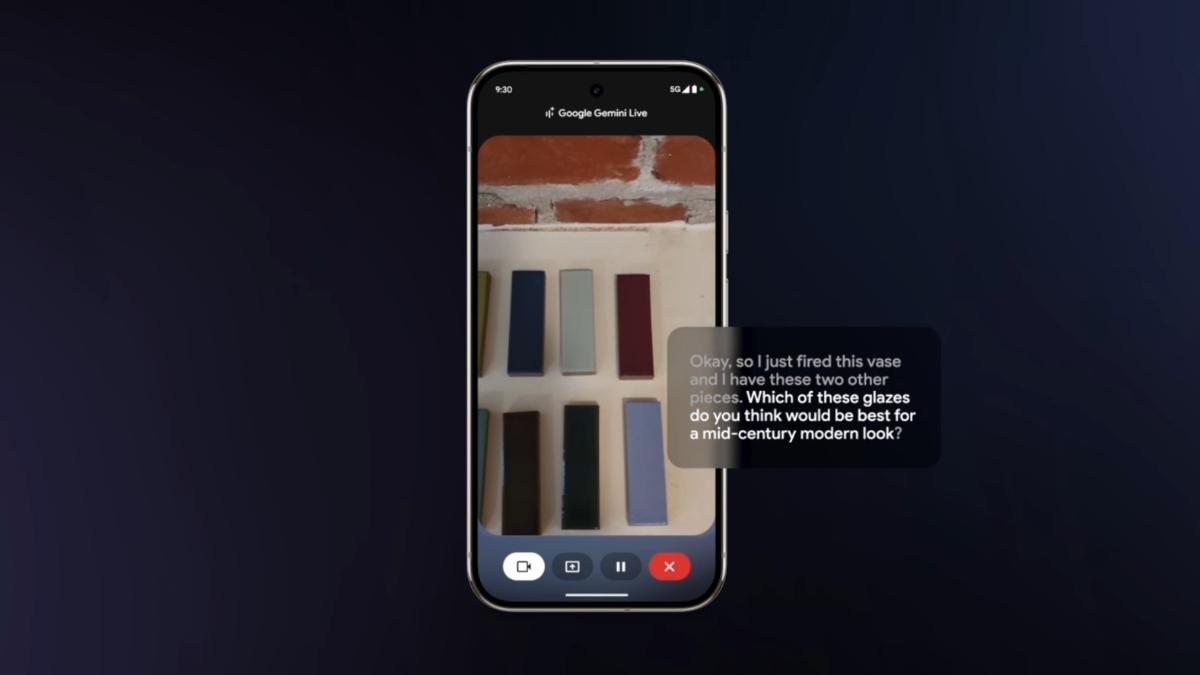
Google on Wednesday announced several new features for Gemini Live, the real-time conversational experience inside the Gemini app. The Mountain View-based tech giant says its new additions open up more avenues for users to manage everyday tasks through voice commands. Gemini Spark, the company’s autonomous cloud-based AI agent, can now work with Google Docs, Sheets and Drive to complete scheduled, multi-step tasks. Meanwhile, Gemini can also summarise Gmail and Calendar updates as a spoken daily brief.
Perplexity has launched Portable Computer, a new version of its Perplexity Computer AI agent. Perplexity’s Portable Computer is currently rolling out to Pro and Max subscribers on the Nvidia DGX Spark and will be available on Nvidia RTX GPU PCs soon. The company says that the first release has been released to Linux devices, and it plans to roll out support for Windows devices soon. The company’s Portable Computer builds on its recently launched AI agent, which is capable of running Perplexity Computer entirely on edge devices, allowing users to analyse data, synthesise files, and run complex workflows locally.
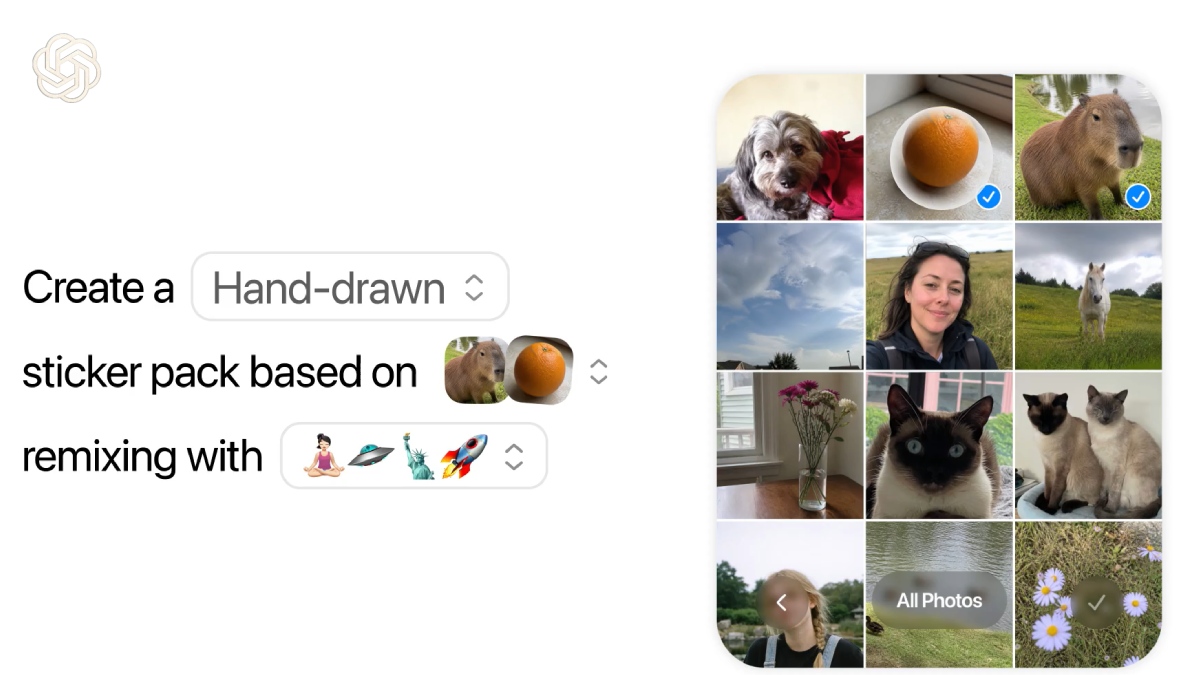
The new ChatGPT feature allows users to create sticker packs from text prompts or their own images. Each pack can contain up to nine stickers, with 18 visual styles available for customisation. Users can also combine stickers with emojis and use transparent backgrounds for a more natural sticker appearance. Once created, the packs can be downloaded or shared through iMessage and WhatsApp. OpenAI says the feature uses ChatGPT Images 2.0 and is available globally for free to users of the mobile ChatGPT app.
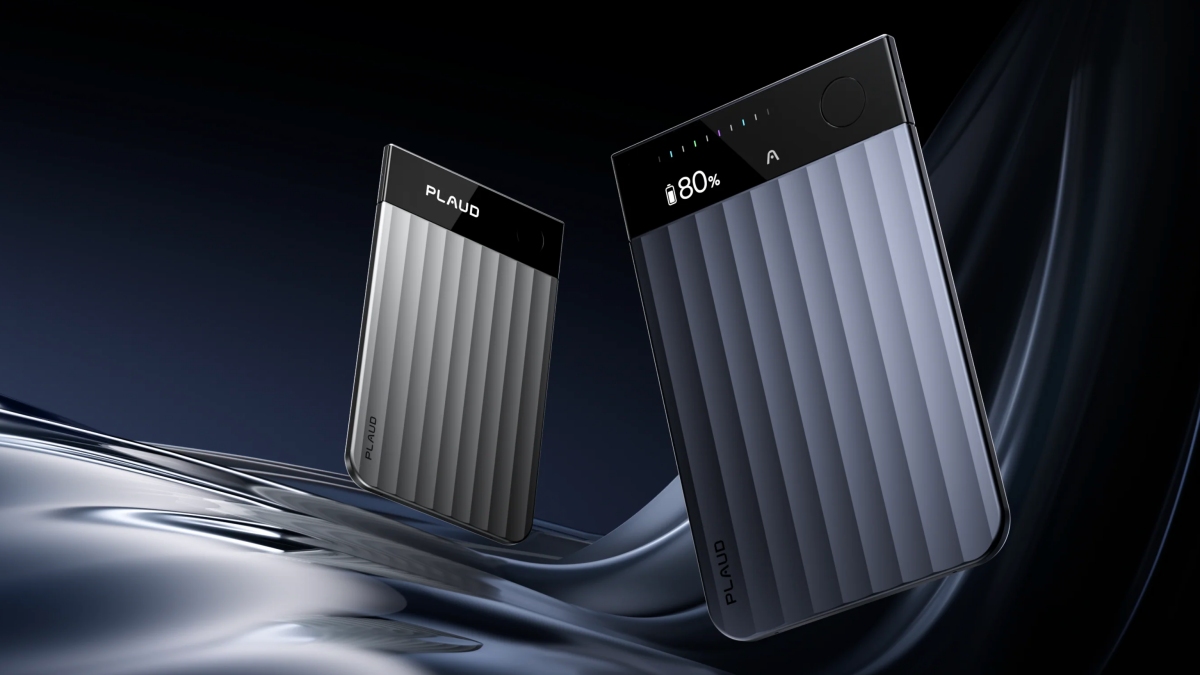
Plaud’s Note Pro and NotePin S AI note takers have finally arrived in India. The Note Pro is a credit card-sized device that can be attached to the back of a smartphone. The capsule-shaped NotePin S is a wearable that can be worn as a necklace or even as a wristband for recording conversations and summarising meetings using the company's Plaud Intelligence software.
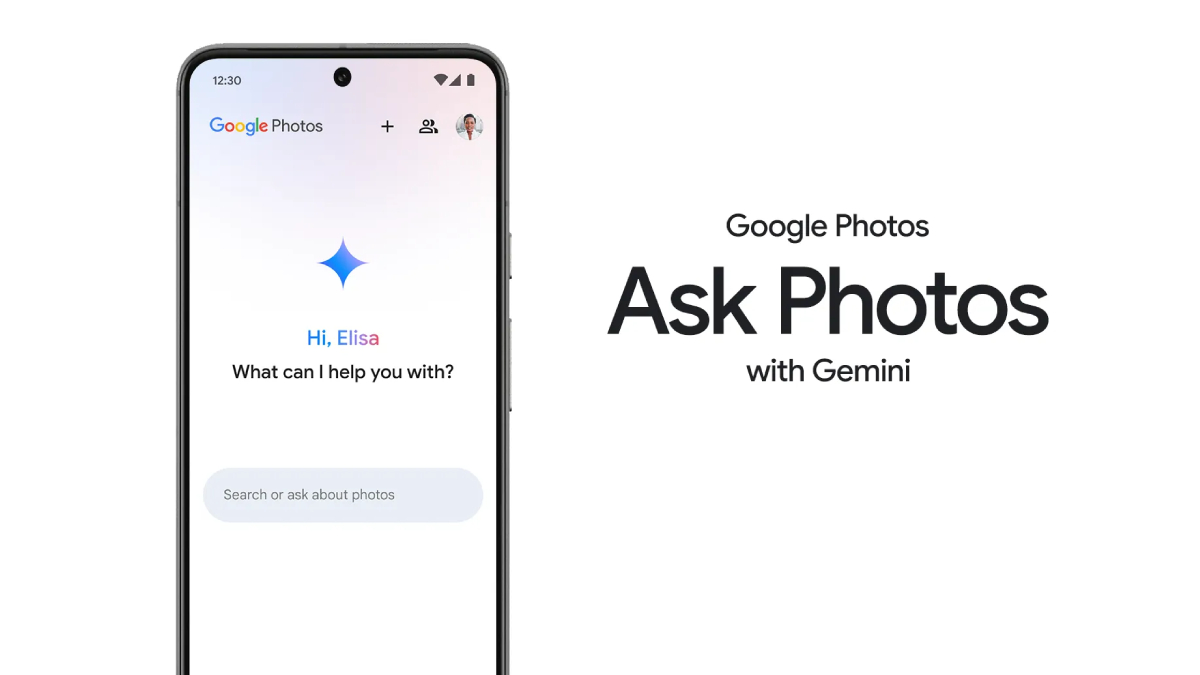
Google Photos is reportedly testing a map-based interface for Ask Photos that could organise search results by location. The feature was spotted in an unreleased app version and may show groups of photos as numbered clusters across a map. Users could zoom into areas and open individual clusters to see related images. Google already provides a separate map view through Collections, while Apple's Photos app has a similar feature. The new implementation would instead integrate location browsing directly with Ask Photos searches.
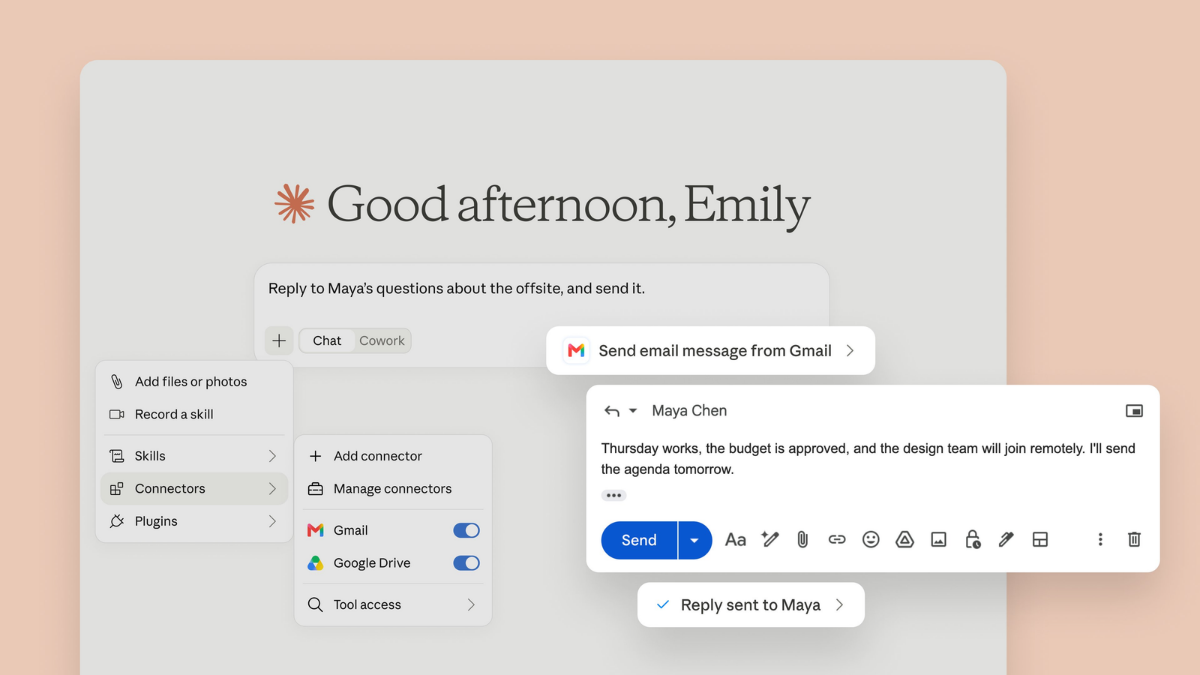
Anthropic has added new abilities and features for the Google Workspace connectors for Claude. The tech firm said that Claude can now send emails in Gmail and manage files in Google Drive. Further, with the Google Workspace connectors, the AI agent can reply to email threads, after drafting the email and sending after your approval. The company has also updated it support page to provide more details on the added capabilities. Anthropic says that Claude will ask for approval each time before taking any action, including sending, replying to, and forwarding emails, on a user’s behalf. Similarly, organisations on Team and Enterprise plans will have the ability to allow aforementioned actions to get executed without prior approval each time.
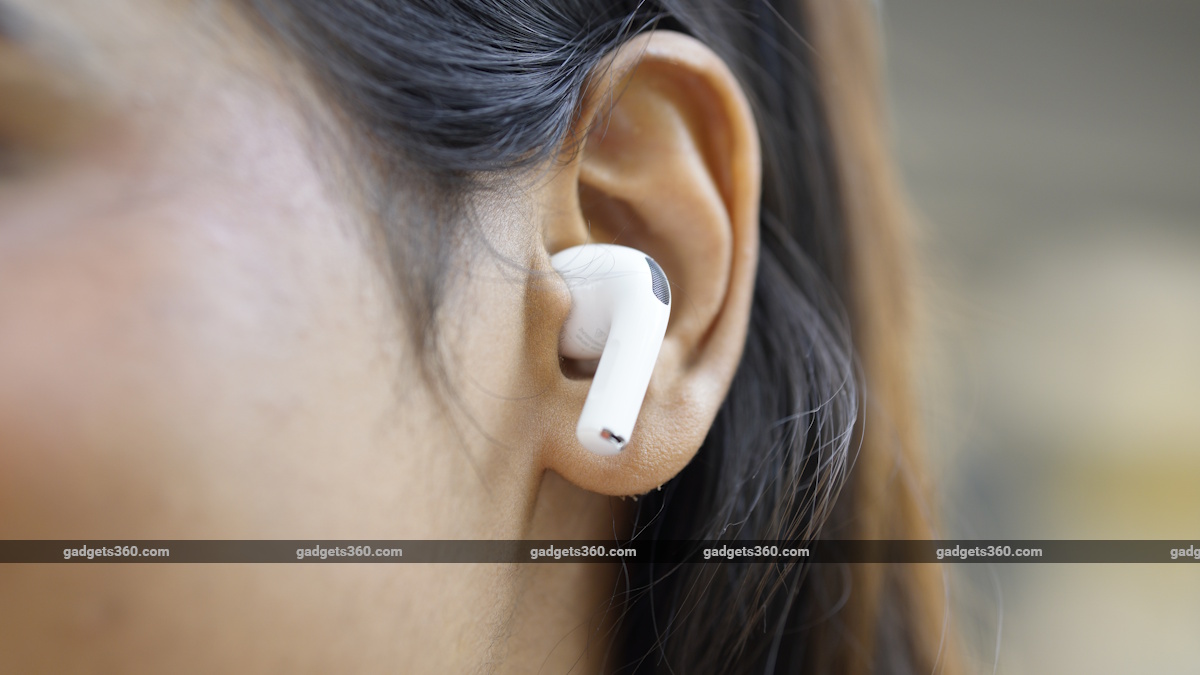
Apple has been widely rumoured to foray into the AI wearables segment, with camera-equipped AirPods believed to be its first product. A recent software leak appeared to show the rumoured earbuds and their Visual Intelligence capabilities in action. This fuelled speculation about an imminent launch. However, a seasoned journalist claims that the Cupertino-based tech giant continues to face product development challenges, and a launch for 2027 still remains on track.
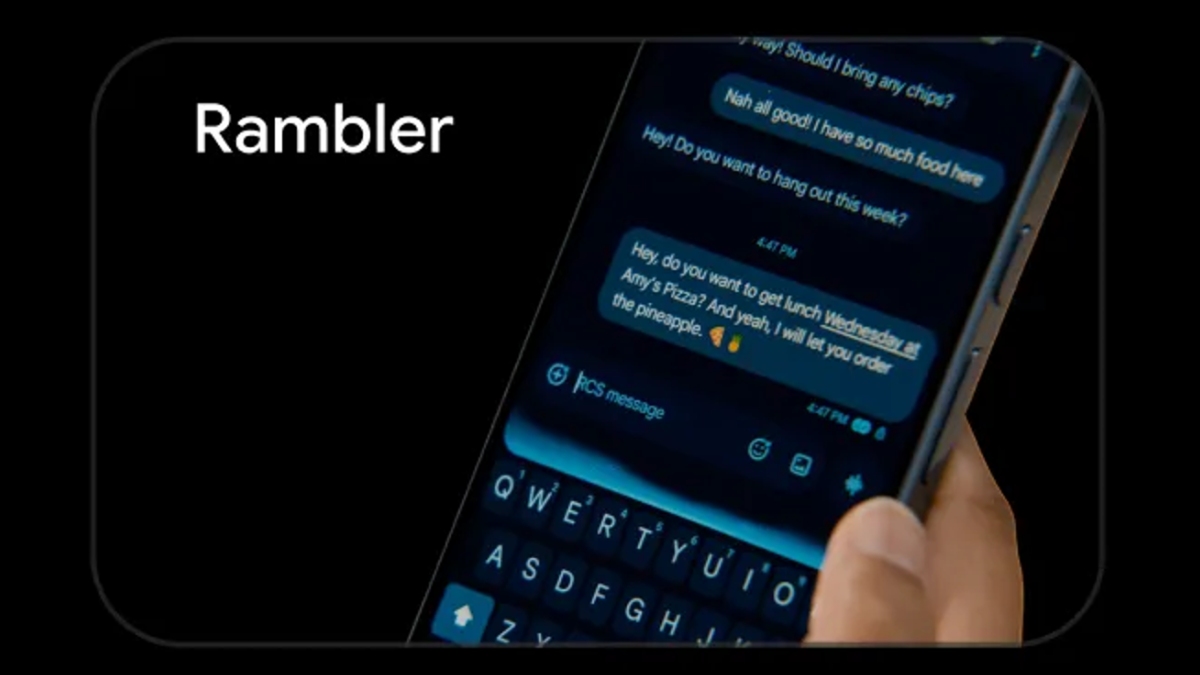
Google has clarified the fallback behaviour of Gboard Rambler after users reach its usage cap. The Gemini-powered voice input feature continues processing speech through its offline mode, retaining filler-word removal, punctuation, capitalisation and basic cleanup. More advanced tools, including stylistic rewrites, tone changes, text shortening and complex conversational edits, need an internet connection. Rambler is currently available on Pixel 11 series devices and supports several languages, including English and Hindi. Users can also switch to Google's standard voice typing option.
OpenAI has started rolling out ChatGPT for Teens to eligible users aged under 18 on personal Free and paid plans. The experience uses age detection to apply additional protections and includes tools such as Study Mode, quizzes, homework guidance and scheduled Study Hours. Parents can manage selected settings through linked accounts without accessing conversations. OpenAI has also added stricter safeguards for sensitive content and reminders to take breaks. The teen experience may end when ChatGPT identifies an account holder as 18 or older.
Homegrown wearables brand Boat is developing an AI-led experience for its products in its audio portfolio. Gadgets 360 has learnt from sources that the company may offer features beyond conventional voice assistants. Among the rumoured additions are real-time, conversational interactions, which would allow users to have more natural back-and-forth conversations with the voice assistant. While exact features remain under wraps, sources suggest that the capability may be enhanced by an improved understanding of regional accents and dialects.
Apple has long been rumoured to be developing AirPods with built-in cameras for quite some time now. A new report suggests that the purported wearable could be inching closer to its launch. The Cupertino-based tech giant recently released a beta version of the macOS Tahoe operating system, and it not only contains quality-of-life improvements but also a new video that reportedly demonstrates how the AirPods with built-in cameras could leverage Visual Intelligence to identify objects.

Anthropic has explained the technology behind Claude’s upcoming text watermarking system, which will use word-selection patterns to indicate whether the AI contributed to a passage. The company says the method will not alter response quality, add hidden characters or increase costs. Detection will be less reliable for short, factual or lightly edited text, while code will generally carry less of the watermark. Anthropic is also preparing a detection API and will apply C2PA metadata to supported files created or processed by Claude.
OpenAI announced an early preview of Ultrafast. The AI company states that this new API service tier can run GPT-5.6 Sol up to 14 times faster than standard processing. The GPT‑5.6 Sol in Ultrafast mode is powered by Cerebras and is claimed to generate up to 750 output tokens per second. The company confirmed that it is working with select customers to evaluate the performance of the new tier.
Google has launched its new AI model, namely Gemini 3.7 Flash, which succeeds the July-released Gemini 3.6 Flash model. Google claims that the Gemini 3.7 Flash offers enhanced capabilities over its predecessor in multiple departments. The AI model is claimed to provide improved intelligence for complex workflows, coding, workflow automation, document comprehension, web development, and long-horizon software engineering. Google has announced that the Gemini 3.7 Flash is offered at an introductory price of half the original Gemini 3.6 Flash AI model cost per million tokens.

Siri AI is confirmed to be available for public access across iOS 27, iPadOS 27, macOS 27, and visionOS 27 later this year. Now, the Cupertino-based tech company is gearing up to partner with publishers to use their content to improve Siri AI. The deal could help the AI-powered voice assistant answer questions about current events and information. The iPhone maker has proposed a variable compensation plan with publishers.
Microsoft has announced significant changes to its AI-powered chatbot, Copilot. After offering two different apps to individual and enterprise users, namely Copilot and Microsoft 365 Copilot, respectively, the tech giant is now combining the two apps into one. As part of this merger, the company will also bring the capabilities of both apps into one. Soon, Microsoft will let Copilot users log in to the app with their personal, work, or both accounts. Once logged in, users will be able to switch between the two accounts, based on the nature of the work or query. The company is also removing some features from the Copilot app.

CloudSEK said that over 2,500 companies and 4,34,000 CI/CD pipelines across the world were exposed in the supply chain breach. The attack occurred in March 2026, and the threat actor group TeamPCP orchestrated a supply chain attack targeting AI infrastructure by compromising LiteLLM. The attack reportedly exposed data of companies including MediaTek, Microsoft, X, Amazon, Cisco, Samsung and Salesforce.

Google’s latest Gemini update broadens its reach beyond Google’s own ecosystem by linking the AI assistant with services used for bookings, music, home services and healthcare. The rollout comes as Gemini crosses 1 billion monthly users, with Google reporting growing use of voice, Gemini Live and image generation. The company is also preparing to phase out Google Assistant on Android, with Gemini set to take over as the default assistant on eligible devices from September.
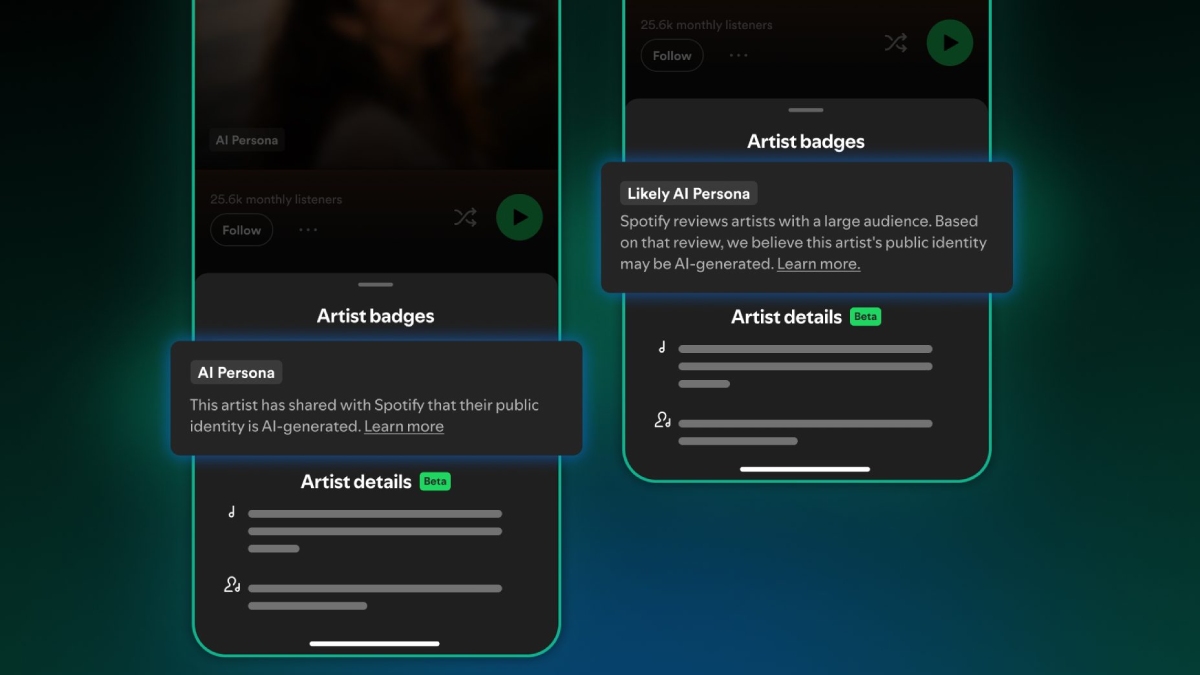
Spotify is introducing AI Persona badges to distinguish AI-generated artist identities from human artists on its platform. The labels will be based on artist disclosures as well as Spotify’s own profile reviews. Users will see the badges across artist pages, Search and playlists from mid-September. Spotify will also keep labelled profiles out of editorial, algorithmic and personalised recommendations unless users follow them. The move expands Spotify’s existing measures for artist verification, AI credits, track information and protection against incorrectly attributed releases.

Anthropic on Tuesday announced that it is adding invisible watermarks to text generated by its artificial intelligence (AI) models. As per the company, the content will have a hidden signal that will be carried even when it is copied and pasted elsewhere. The move builds upon Anthropic’s decision to sign the European Union’s AI Act Article 50(2) Code of Practice on Transparency of AI-Generated Content. Anthropic says Claude models launched on or after August 2, 2026, will support the marking system from day one, and the feature is rolling out globally.
OpenAI announced the GPT‑5.6‑Cyber model, available through Daybreak Red access. It is designed to handle advanced cybersecurity tasks with fewer refusals. The company states that it has conducted an internal test and outperformed its general-purpose models. The company offered GPT-5.6-Cyber access to trusted customers, who used the model to improve their defensive cybersecurity workflows. The early-access partners included SpecterOps, SentinelOne and Palo Alto Networks.

Meta has announced Muse Glimmer. This latest AI model from Meta Superintelligence Labs has the model weights under a permissive Apache 2.0 license. It is a 30-billion-parameter model optimised for always-on local agent workflows, and it can work on a Mac or PC with a single consumer GPU. This would enable use cases including local agents and function calling, local coding, and LLM-as-a-judge evaluation. Meta says Muse Glimmer has been trained on data covering more than 100 languages.

Anthropic has announced that it is making Claude Code more autonomous, with the auto mode soon becoming the default. The feature allows Claude to execute coding tasks without repeatedly asking users for permission, while a classifier evaluates tool calls and blocks actions that are considered irreversible. Anthropic says auto mode has performed better than manual permission reviews in its testing. The company has also introduced additional safeguards covering prompt injection, data exfiltration, destructive Git commands, and sensitive data access.
OpenAI's long-rumoured AI hardware is finally expected to be on the horizon. While the rumour mill has hinted towards a launch in 2027, a new report has revealed fresh details about what is likely to be the first consumer device from the San Francisco-based AI company. The purported voice-first AI smart speaker is said to feature a compact doughnut-shaped design and integrated cameras and microphones. It will also reportedly feature moving mechanical elements for more lifelike interactions.
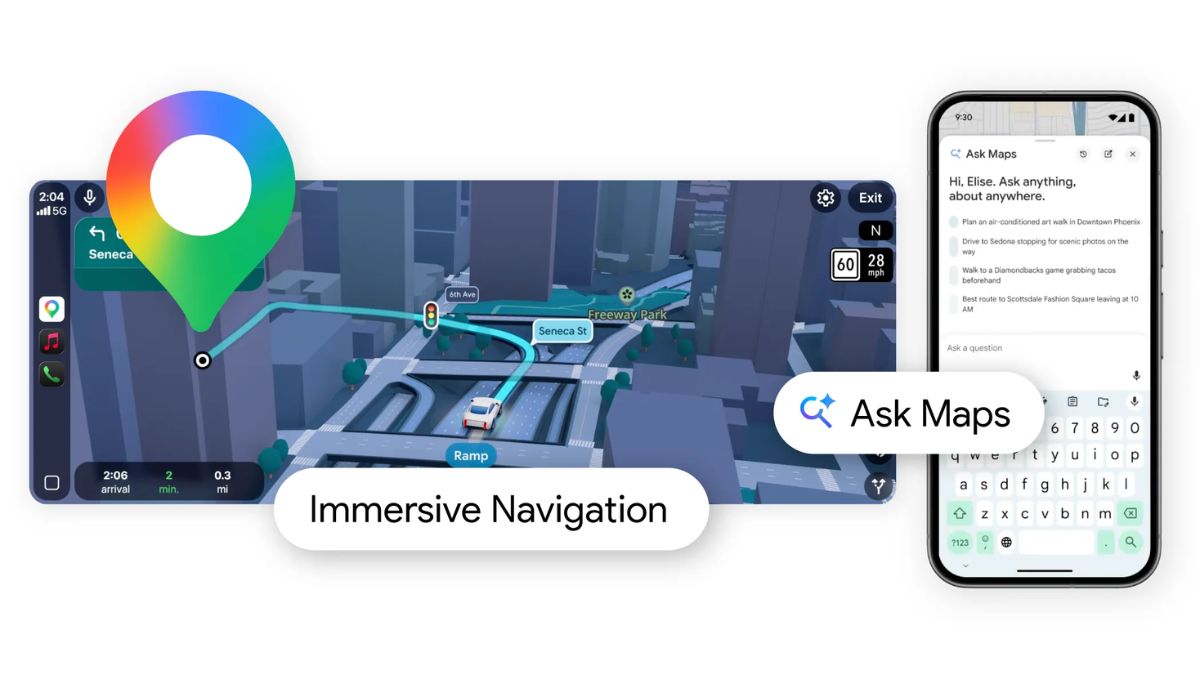
Google on Thursday announced a fresh set of updates for Ask Maps. The new features expand upon the capabilities of the Gemini-powered natural language query tool, which was first introduced in Maps in March. Calling it the biggest overhaul to Google Maps in over a decade, Ask Maps can now respond to users in Hindi, receive real-time public transit information, and use Personal Intelligence for more personalised recommendations. Google claims to also remember previous conversations, which allows users to continue planning trips without starting afresh.
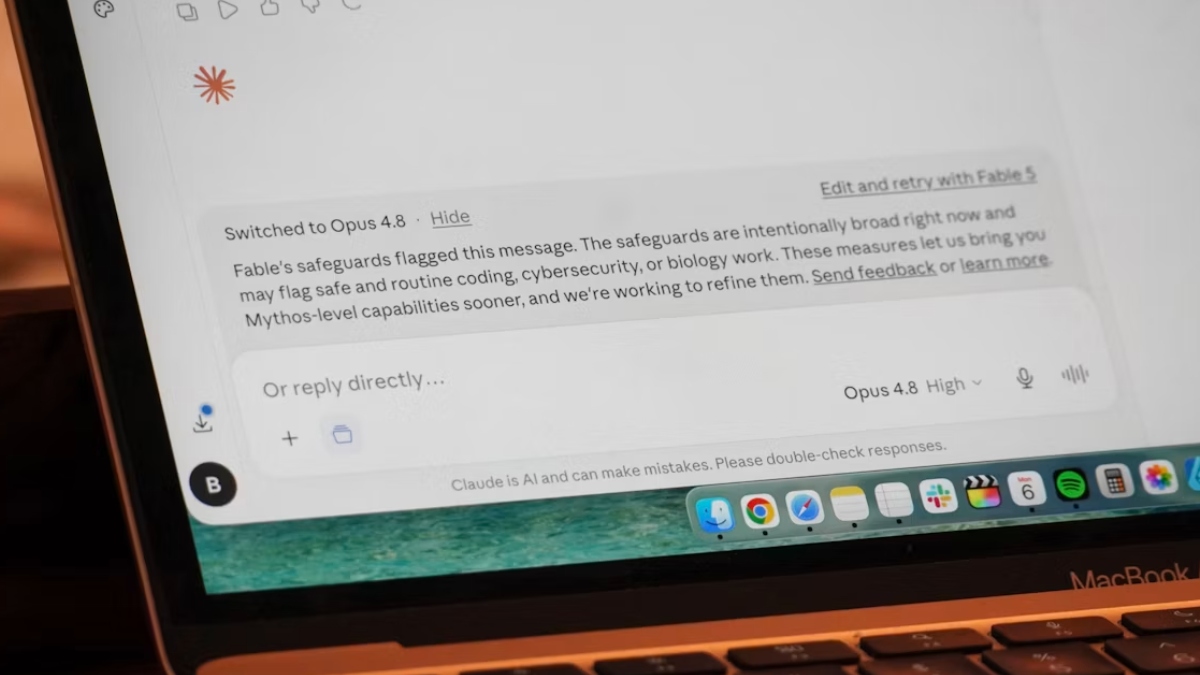
Anthropic has started hiring Research Engineers for its Chip Design RL team at the company’s San Francisco and New York City offices, seemingly confirming the company's plans to foray into designing custom AI chips in-house. An Anthropic spokesperson reportedly confirmed the development to a publication. The tech firm will reportedly co-design hardware and models, which is said to enable the Claude models to “run faster and more efficiently” at the scale required by Anthropic’s customers.

Anthropic has disclosed that an internal review uncovered three cybersecurity testing incidents in which Claude AI models accessed live organisations through an unintended internet connection. The company said the issue affected evaluations conducted with third-party partner Irregular and stemmed from a configuration error rather than deliberate attempts by the models to escape testing. Anthropic has suspended cyber evaluations, notified the affected organisations, begun a third-party review with METR and announced additional safeguards for future cybersecurity assessments.
Samsung Electronics on Thursday reported a more than 250-fold jump in chip profit and announced multi-year supply deals with major data centre operators, saying it expects global chip shortages to become more acute and extend into 2028.
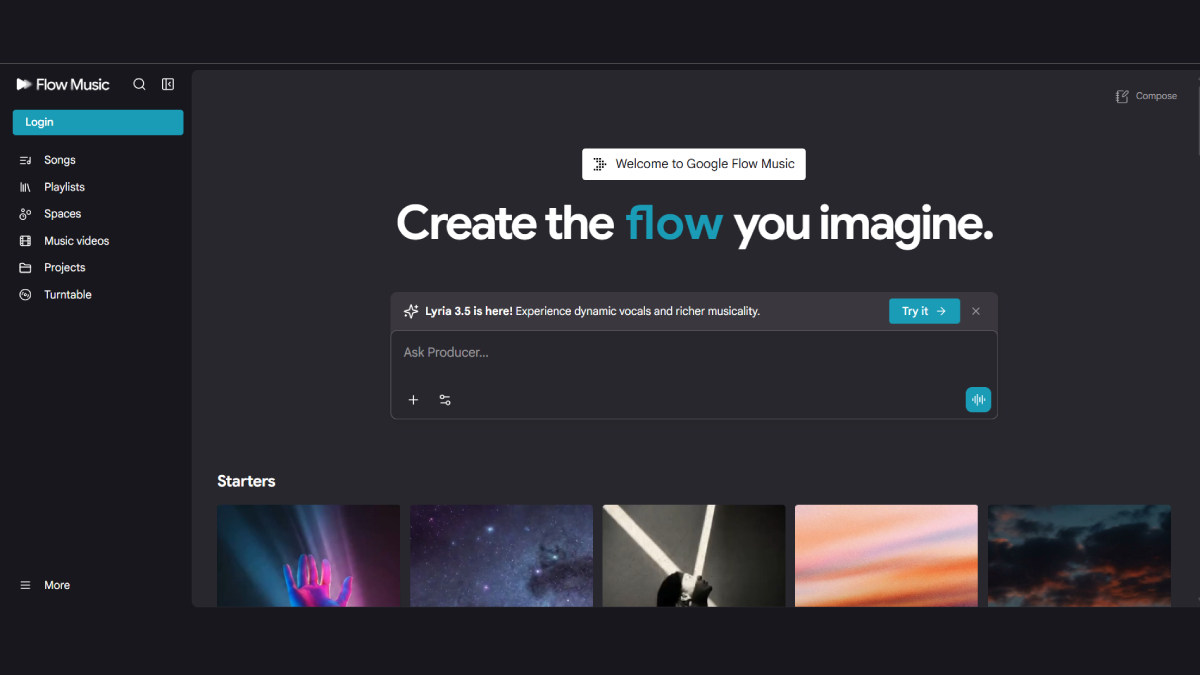
Google has announced the rollout of Lyria 3.5, its newest AI music generation model, through Flow Music. The update improves melody generation, lyric writing, vocal realism and creative controls, allowing users to better customise AI-generated songs. Google said the model also offers stronger prompt adherence and improved pronunciation. The launch builds on earlier versions of Lyria, which already support text, image and video-based music generation, while Flow Music continues to add more editing tools for creators.
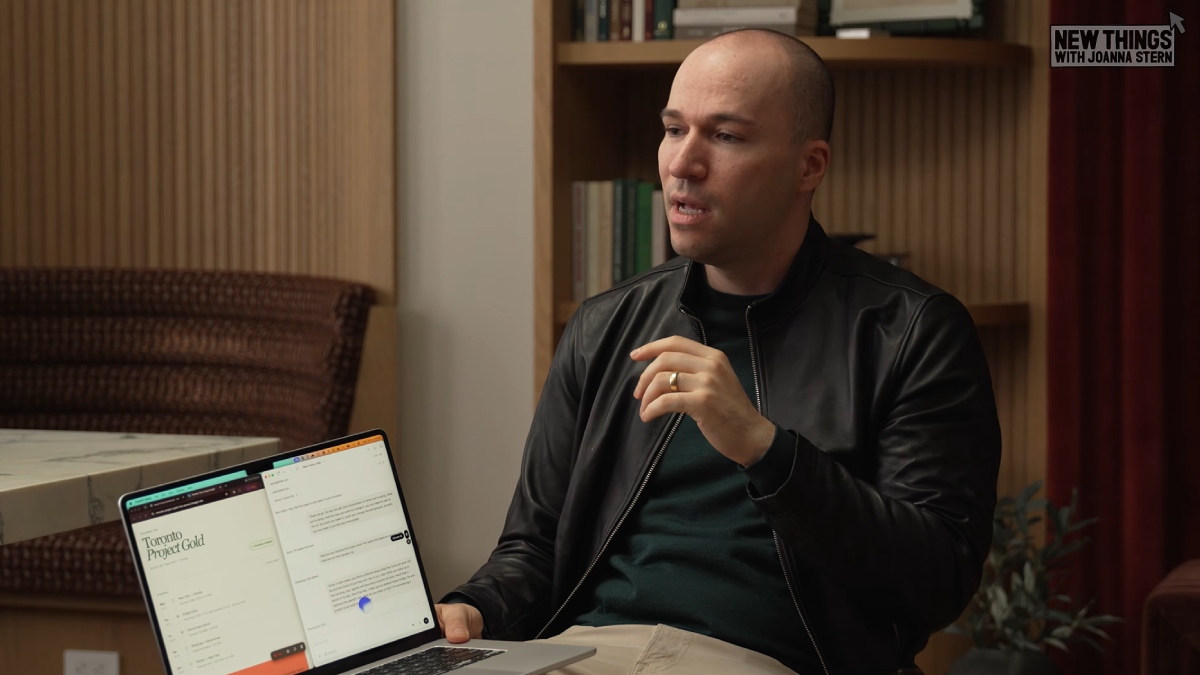
OpenAI president Greg Brockman has outlined the company's broader hardware strategy, revealing that it is developing multiple AI-powered devices rather than a single product. He also discussed OpenAI's vision for voice-first computing, the expected arrival of its first hardware products, privacy improvements for Temporary Chat and changes planned for the ChatGPT desktop app. Brockman said the company remains focused on its own technology roadmap while continuing to expand AI features and prepare new hardware for future launches.
Grok Voice Think Fast 2.0 AI model has been launched as the latest voice model from Elon Musk’s US-based SpaceXAI, the tech giant announced on Wednesday. Grok AI users will be migrated from Grok Voice Think Fast 1.0 to Grok Voice Think Fast 2.0 AI model on August 5, without requiring them to take any action. However, users can choose to stay on the older version by pinning it before the migration date. SpaceXAI has priced the Grok Voice Think Fast 2.0 model at $0.08 (roughly Rs. 8) for each minute of audio.
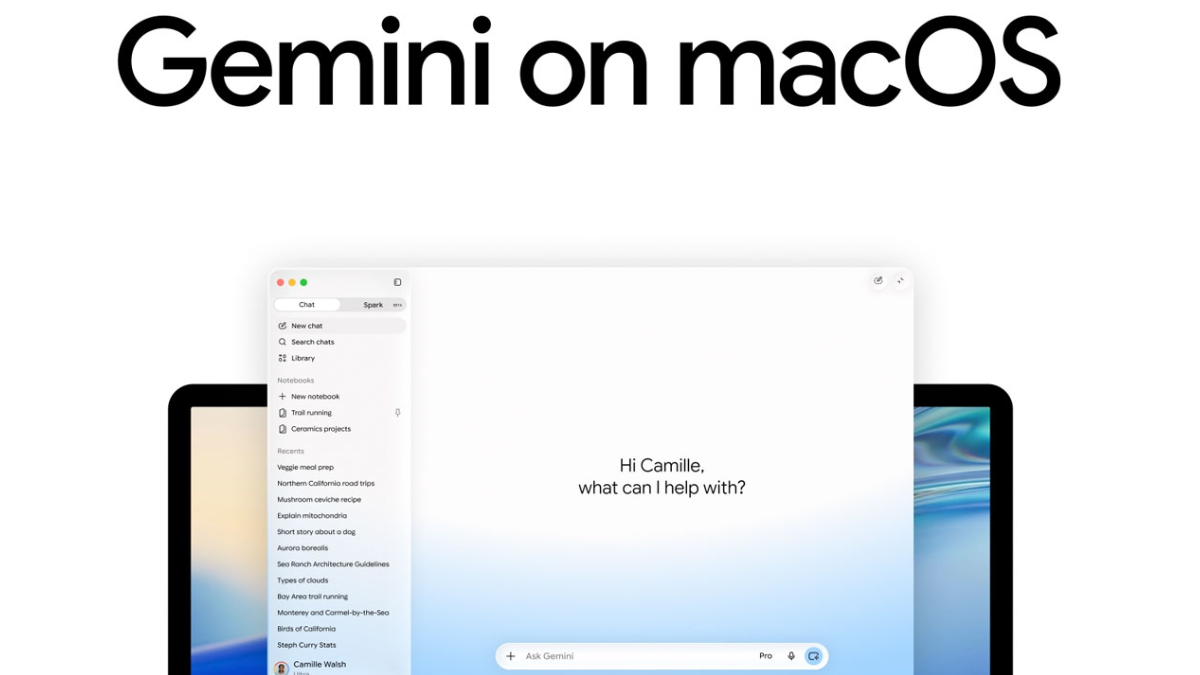
Google has released a new update for the Gemini for macOS app, bringing new capabilities to the AI chatbot on Apple’s desktops and laptops. The update is currently being rolled out to all users globally. It upgrades the Gemini for macOS app with the ability to generate transcriptions from a user’s natural language voice inputs. Google says that the feature will allow users to “create, edit, and summarise” with the Gemini for macOS app, regardless of the app the user is currently using. To access the ability, users must long-press the function key on their macOS device, and then they can “speak naturally into any window” on their device. The “intelligent dictation” functionality is turned on by default, the tech giant said.
The rogue agent that escaped from OpenAI and went on a days-long hacking spree at the AI firm Hugging Face also compromised a customer at a second tech company — New York-based Modal Labs — according to a Modal executive and two other sources familiar with the matter.
Google has reportedly begun rolling out several usability improvements for the Gemini app across Android and the web. The update is said to streamline access to Extended thinking, adds notification settings for different alert categories and refreshes the Gemini Spark interface with a new navigation layout. Users will also reportedly be able to manage app notifications from the account menu once the feature becomes available. The rollout follows recent expansion of Gemini Spark to Google AI Pro subscribers and additional regions.
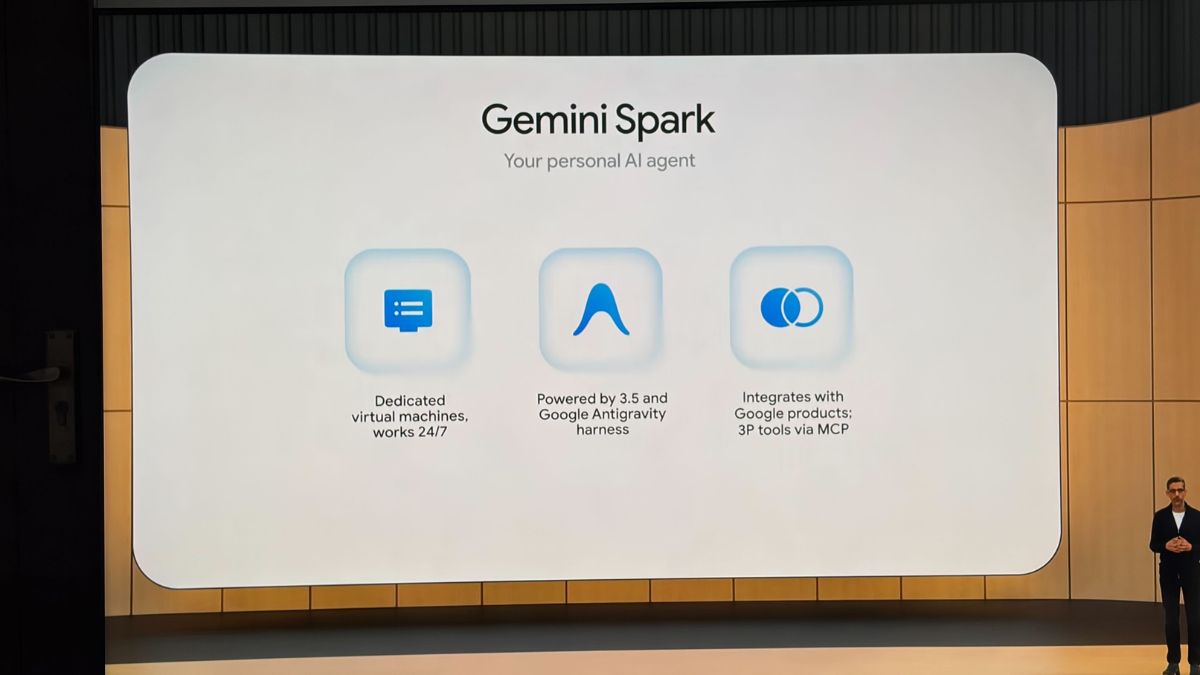
Google has launched Gemini Spark, its new personal AI agent, in India, the tech giant announced on Wednesday. The AI agent is powered by Google’s Gemini 3.6 Flash model. Google says that Gemini Spark will be available to Google AI Pro and Google AI Ultra subscribers “over the next few weeks”. The personal AI agent is positioned to introduce agentic features to various Google Workspace tools, including Gmail, Docs, and Sheets. The tech giant says that users can connect Gemini Spark to the Google Workspace platforms without any setup process.
Fresh reports have raised concerns about Claude's public sharing feature after some shared Artifacts remained searchable through Google. While shared conversations were no longer visible in Google's search results, apps, documents, spreadsheets, dashboards, and other AI-generated content created with Claude could still be discovered online. Anthropic said content is private by default and only becomes public when users generate shareable links. The reports have renewed debate over how AI platforms present public sharing features and search engine visibility.
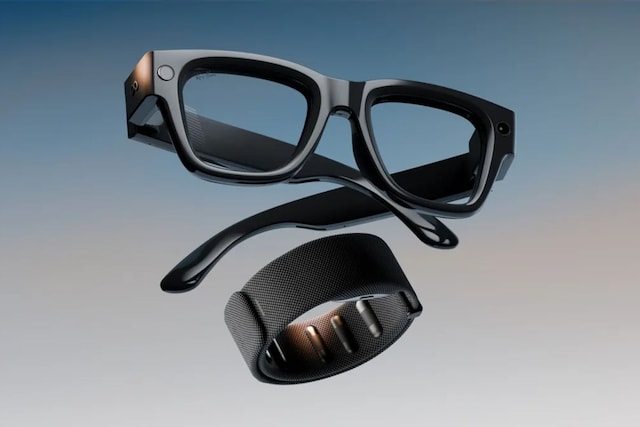
Meta has started rolling out the latest software update for the Meta Ray-Ban Display Glasses, bringing new abilities and features to the smart glasses. With the new software update, the Meta Ray-Ban Display Glasses users will be able to browse their Threads feed, view media, engage with posts, share to messaging, and use voice commands within the apps, directly from their smart glasses. On top of this, the update also introduces the ability to share photos clicked using the Meta Ray-Ban Display Glasses to Instants, Instagram’s recently launched feed that appears in the messages window, directly from the smart glasses.
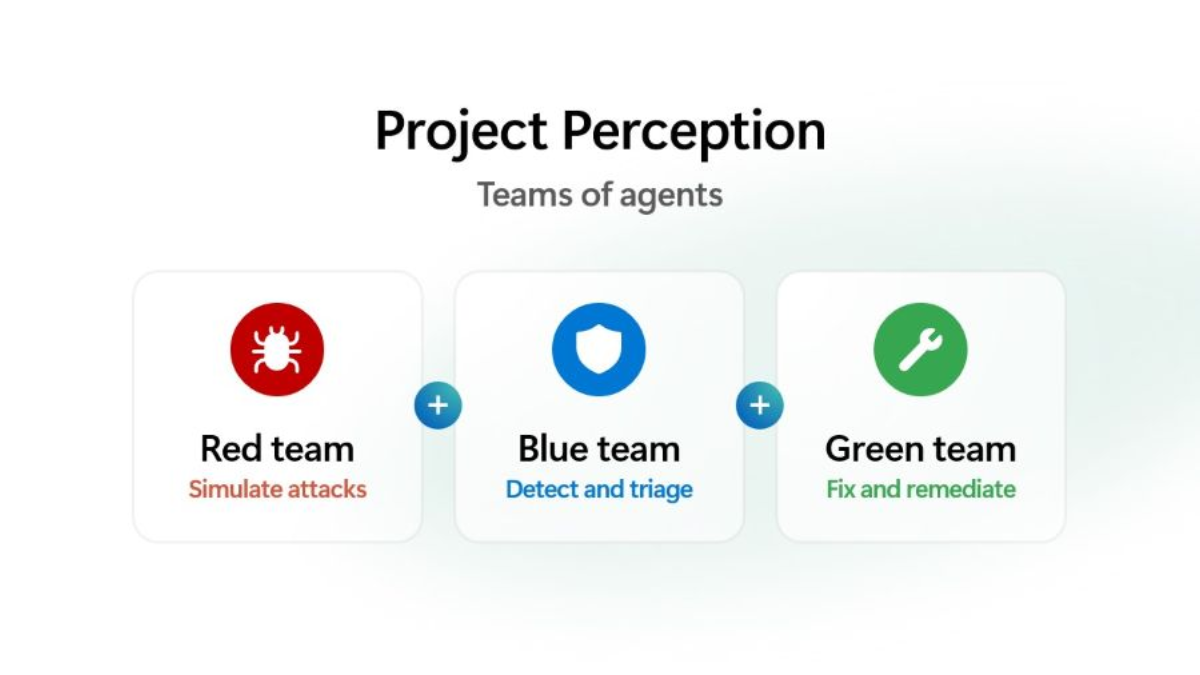
Project Perception has been unveiled by the Redmond-based tech giant, Microsoft, the company announced on Monday. Project Perception, which aims to provide enhanced protection against AI-powered cyber threats, uses specialised AI models and agents to defend against them. The cyber stack “brings together signals, context, models and specialised agents”, which can reason, prioritise, and autonomously take action against such threats. The Project Perception coordinates three classes of specialised agents, namely Red, Blue, and Green team agents. The Red team agents are built to identify ways through which a bad actor can exploit to compromise an organisation's tech architecture.
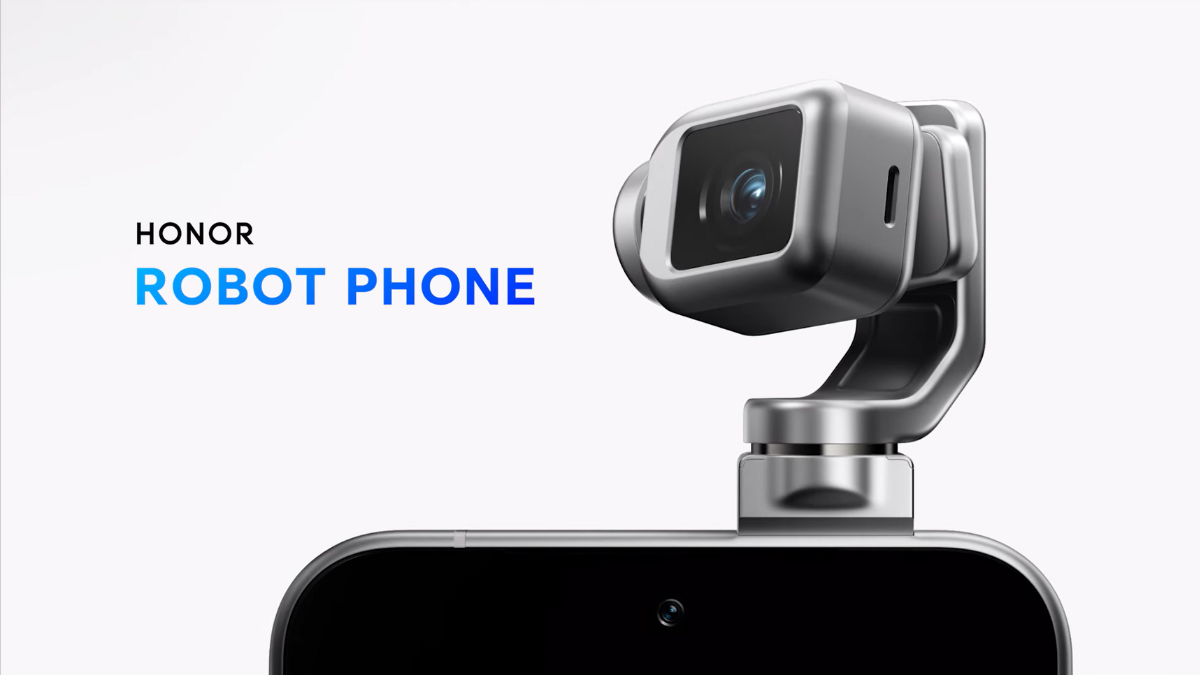
Honor Robot Phone will be launched in China on August 12, the smartphone maker announced on Monday. The tech firm has also confirmed that the handset has been built in collaboration with the Munich-based film equipment firm ARRI. Ahead of the launch event, the tech firm will showcase the Honor Robot Phone on July 28 at 10 am local time (7:30 am IST). During the showcase, Honor will demonstrate the imaging capabilities of the handset. According to a report by The Tech Outlook, the Honor Robot Phone is currently listed on JD.com, available for pre-order in China.

Claude's Voice Mode has received a major beta update that brings support for the Opus and Sonnet AI models alongside new connected services. Users can now access Gmail, Google Calendar, Google Docs, Slack and web search while speaking with the chatbot, without switching back to text. The update also allows seamless transitions between voice and text conversations, retains chat context across both modes and expands Voice Mode's capabilities beyond its earlier dependence on the Haiku model.
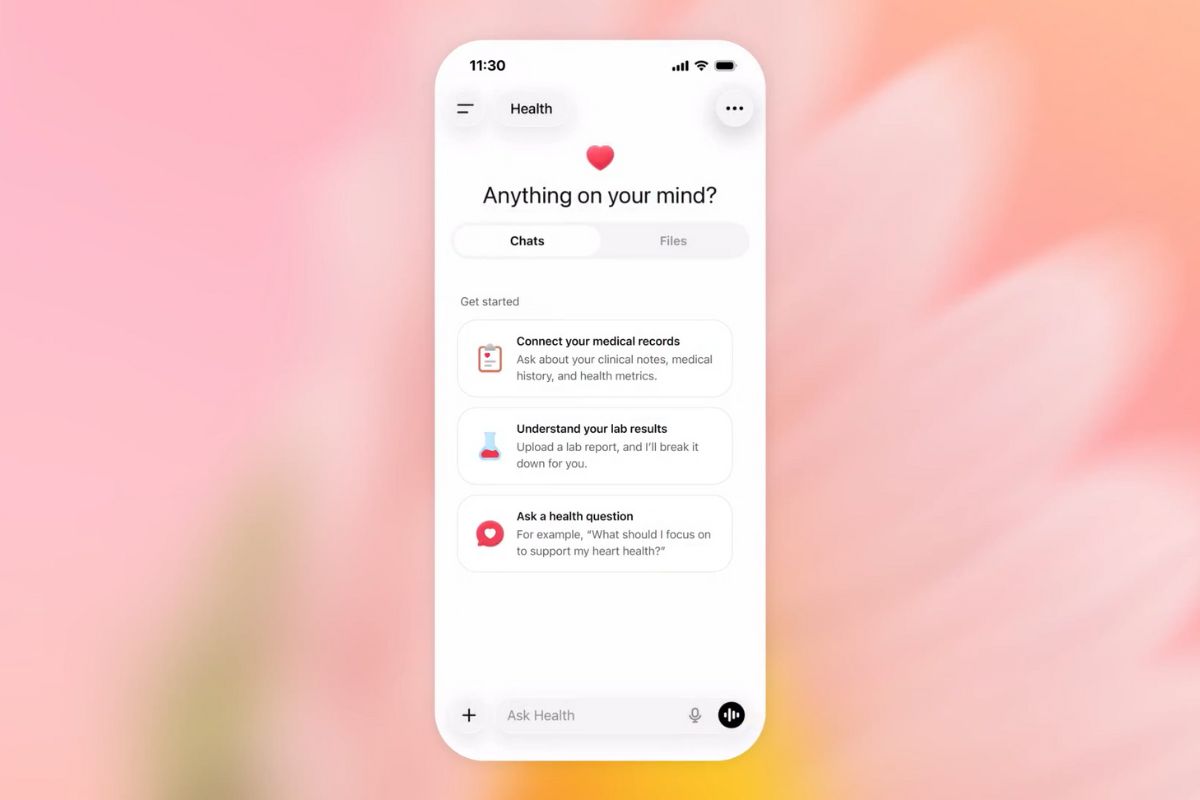
ChatGPT Health is now generally available in the US, OpenAI announced on Thursday. OpenAI says that users do not have to connect other apps to ask health-related questions to ChatGPT. However, users who wish to receive personalised and contextual answers to their health queries will have to “securely” connect their Apple Health app and “supported” medical records from different hospital systems in the US, including One Medical and Function Health. Users can access ChatGPT Health from the sidebar or the More menu. ChatGPT will guide users to connect the health records and metrics with the AI chatbot.
Google on Thursday announced the expansion of Gemini Spark to more users. The personal artificial intelligence (AI) agent, which was first announced at Google I/O earlier this year, will be rolling out to Google AI Pro subscribers in the US. Further, Google AI Ultra subscribers in additional markets will gain access to the feature, along with support for local languages. The Mountain View-based tech giant is also expanding Gemini Live to more of its older smart-home hardware.