पहले के मुकाबले अब अनेकों ऐसे क्षेत्र हैं जहां इंसानों की जगह AI से काम चलाया जा रहा है। मैसाच्यूट्स इंस्टीट्यूट ऑफ टेक्नोलॉजी की नई रिपोर्ट कई लोगों के मन में चिंता पैदा कर सकती है। MIT ने रिपोर्ट में कहा है कि अमेरिका में 12% जॉब्स AI के हवाले होने वाली हैं। कई सेक्टर्स को यह प्रभावित करने वाला है जिनमें सबसे ज्यादा खतरा फाइनेंस, हेल्थकेयर और प्रोफेशनल सर्विसेज दे रहे लोगों की नौकरियों को है।

Nvidia held its RTX Spark Experience event on Friday, showcasing a new category of AI-focused Windows PCs. Several brands unveiled their latest laptops and desktop systems powered by Nvidia’s RTX Spark superchip. The lineup includes slim laptops and compact desktops from Asus, Dell, HP, Lenovo, and MSI. Nvidia says the systems combine a Blackwell RTX GPU and a Grace CPU, offering up to 128GB of unified memory and up to 1 petaflop of FP4 AI performance.

Google announced that Computer Use in Gemini is expanding to Mac. The feature aims to automate everyday work by letting the AI assistant interact with desktop applications on a user's behalf. According to the Mountain View-based tech giant, Computer Use is available in the Gemini app for Mac. With the feature, Gemini on Mac can click through menus, type into fields, and complete multi-step tasks across local files, desktop software, and the web.
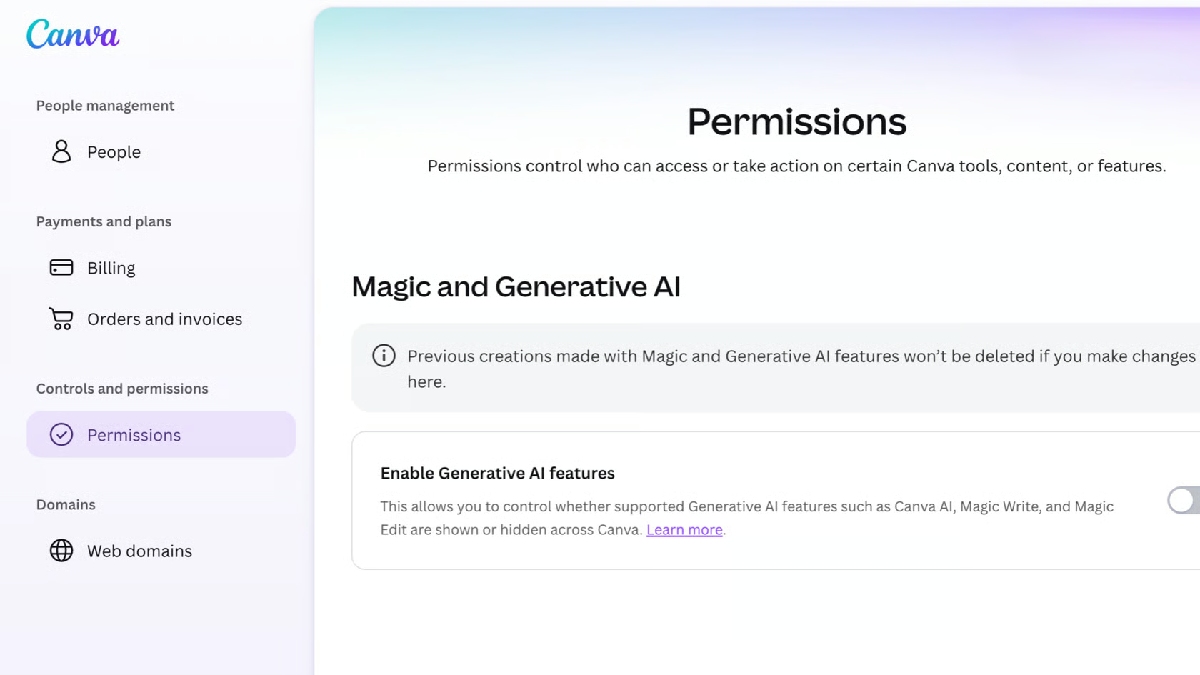
Canva's new settings give individual users more control over the platform's AI tools and generated content. While disabling generative AI hides these features across Canva, a separate option reduces the number of AI-generated images and assets shown in library searches and recommendations. Background Remover and Magic Grab will continue to work even when generative AI is turned off. Free and Pro subscribers can access the controls, while administrators on Business, Enterprise, Teams, and Education plans already have AI management settings.
OpenAI has been rumoured to be developing an agentic phone for quite a while now. The rumour mill suggests that the ChatGPT maker wants to build an AI-focused smartphone with deeper integration between its software stack and hardware. While details about the device remain scarce, a new supply-chain report suggests that the company may have found a manufacturing partner. The purported handset will reportedly arrive in late 2027 or 2028.
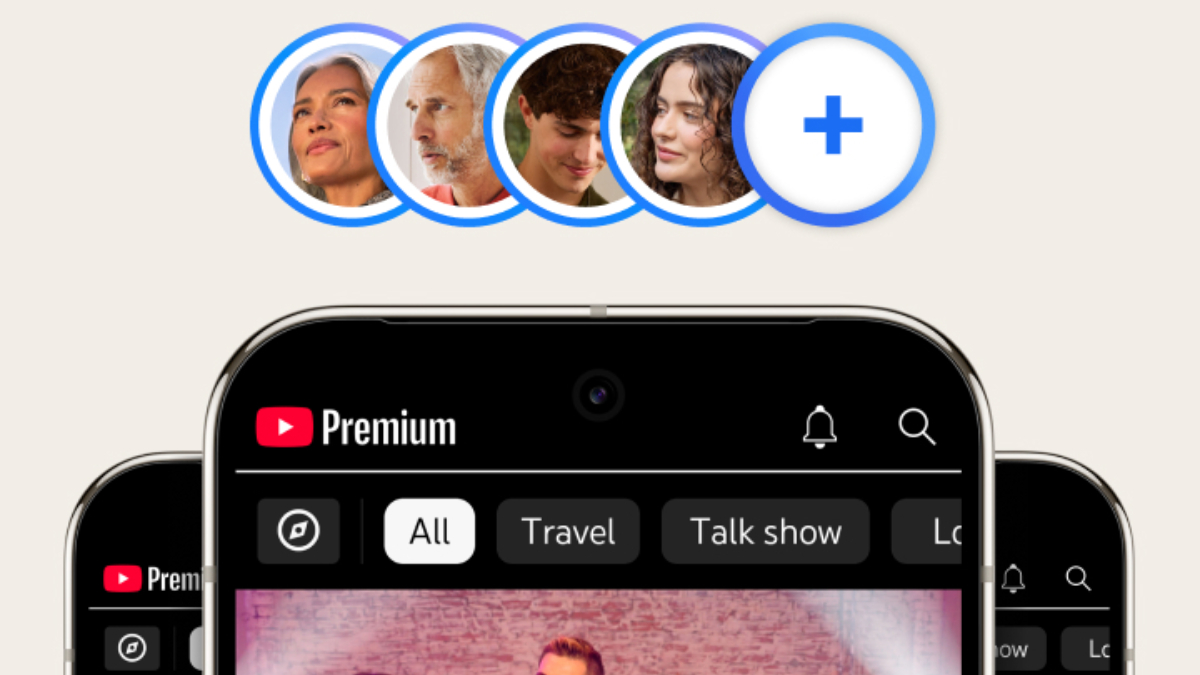
Google has updated its flagship AI Ultra subscription to include a YouTube Premium Family plan. With this move, the Mountain View-based tech giant expands one of the benefits previously available to subscribers. Rather than being limited to an individual subscription, the upgrade lets users share ad-free video streaming and music playback with up to five other family members in their household. Google says the change applies to both Google AI Ultra 5x and AI Ultra 20x plans.
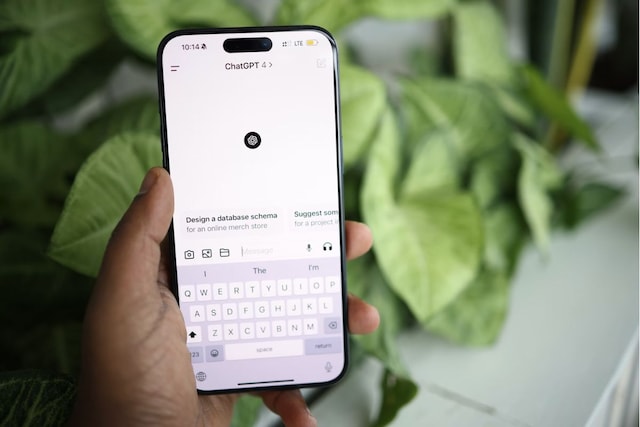
OpenAI has launched the ChatGPT for Accounting plugin, the company announced on Thursday. The plugin aims to guide users on recurring accounting work, the company said. The new tool can help users prepare month-end reports, reconcile bank accounts, enter data, and maintain accounting books. ChatGPT for Accounting also claims to help users prepare for financial audits. ChatGPT for Accounting can work with multiple accounting tools, including BILL, Campfire, FreshBooks, Oracle NetSuite, Oracle QuickStart, QuickBooks Online, Rillet, and Xero. Users can download the available plugins for them to connect them to their ChatGPT account. Separately, the company also announced it has begun rolling out a new Live Dictation update for ChatGPT. The AI giant claims that the update improves the speed and reliability of the speech-to-text tool.
Google's Gemini 4 Neon supports a context window of up to one million tokens and can process text, images, audio and video. The model is designed to support multi-step workflows, including debugging code, analysing data, and preparing reports. It also supports four thinking levels and can coordinate smaller AI agents to complete complex tasks. Google claims Neon costs 32 percent less per task than Gemini 4 Carbon at the default High setting. It is available through Google's developer and AI platforms.
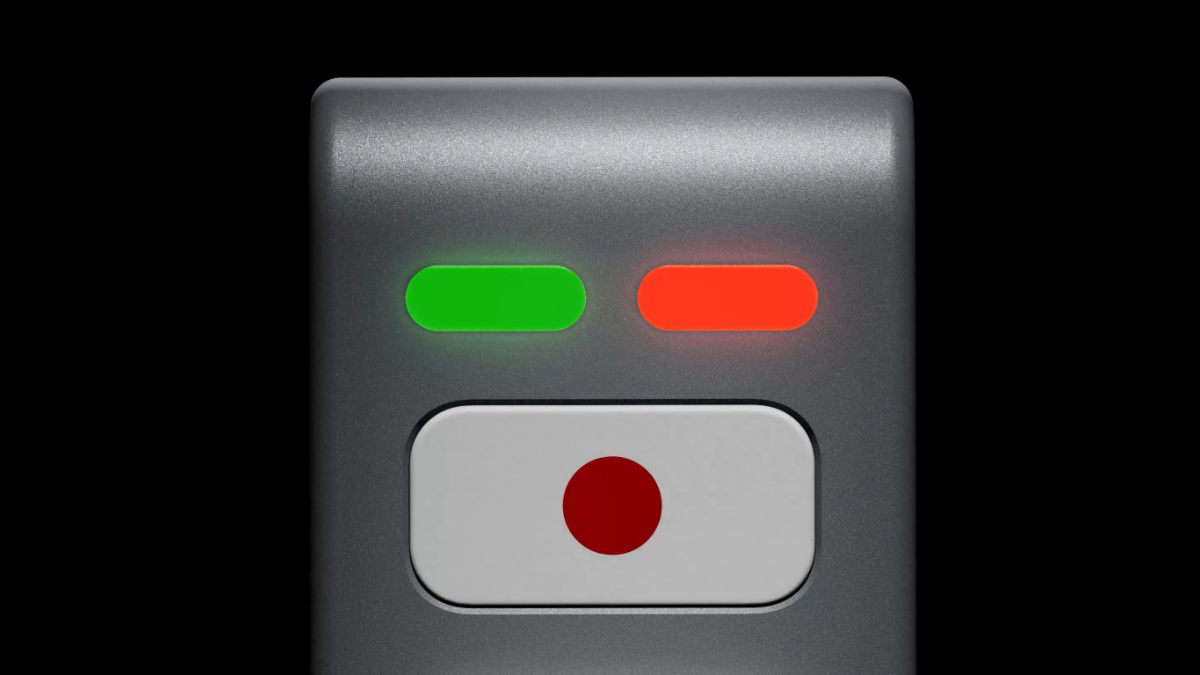
Nothing is gearing up to introduce its first AI-native device next month. In recent days, the company has teased the design of the upcoming product, which is confirmed to feature a metal case with pill-shaped LEDs, encased in a textured body. Ahead of its debut, a tipster has leaked the first image of Nothing's upcoming AI device, which offers a clearer look at the hardware. It appears to be a compact, button-led device with a slim rectangular body, a dedicated control labelled Talk, and red and green indicator lights.
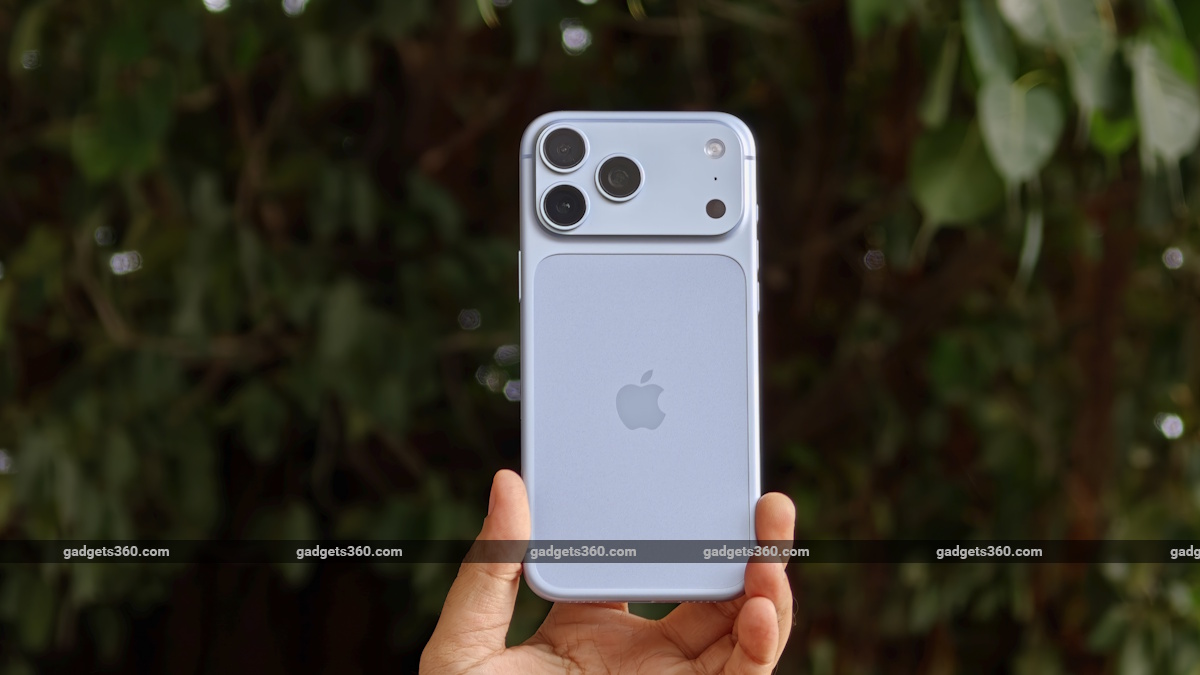
Apple will introduce Siri AI usage limits with the iOS 27.3 update, according to an iOS developer. The new limits were spotted in the iOS 27.3 beta. He has also shared screenshots of the alert. After a user hits the Siri AI usage limit, Apple shows them a prompt to upgrade their iCloud+ plan. The iOS developer added that he currently pays for the $9.99 iCloud+ plan. The Siri AI usage-limit notification appeared when the user asked Apple’s AI agent to turn off his “Lounge TV”. However, Siri AI did complete the assigned task. Moreover, the iOS developer noted that Apple's AI chatbot continued to answer simple questions. Meanwhile, it stopped generating responses to more complex prompts, like “Compare height to the Statue of Liberty and the Burj Khalifa, how much does it cost to make[?]”. The developer also said that he hit the daily Siri AI usage limit after 40 requests “in the whole day”.

Logitech MX Keypad has been launched in India, the tech firm announced on Wednesday. The new keypad will be available for purchase in the country via the Logitech India online store. The Logitech MX Keypad is offered in a single Graphite colour option. The company has yet to announce the exact sale date for its new keypad. Moreover, the company is offering a one-year limited hardware warranty with the new Logitech MX Keypad. Apart from this, customers can get three months of GitHub Copilot Pro+ for free with the device.

OpenAI has released ChatGPT Images 2.5. It claims ChatGPT Images 2.5 produces more natural lighting and richer textures. It is said to deliver up to 50 percent reduced image generation latency compared to Images 2.0. It has also added features like Sketch, templates, and comments. OpenAI has also released two versions of Images 2.5 for developers to build around in their apps.
Meta has introduced Muse, a personal AI agent that can manage tasks across apps and continue working without constant user input. Available in the US across mobile and web, Muse can handle everything from emails and travel bookings to longer-term goals. It also uses previous conversations to inform future tasks and operates inside Meta’s dedicated Secure VM. Users can control its app permissions, while Sentinel manages internet access. Meta will later add Confidential VM, with support for AI glasses, Shop Pay and 1Password also planned.
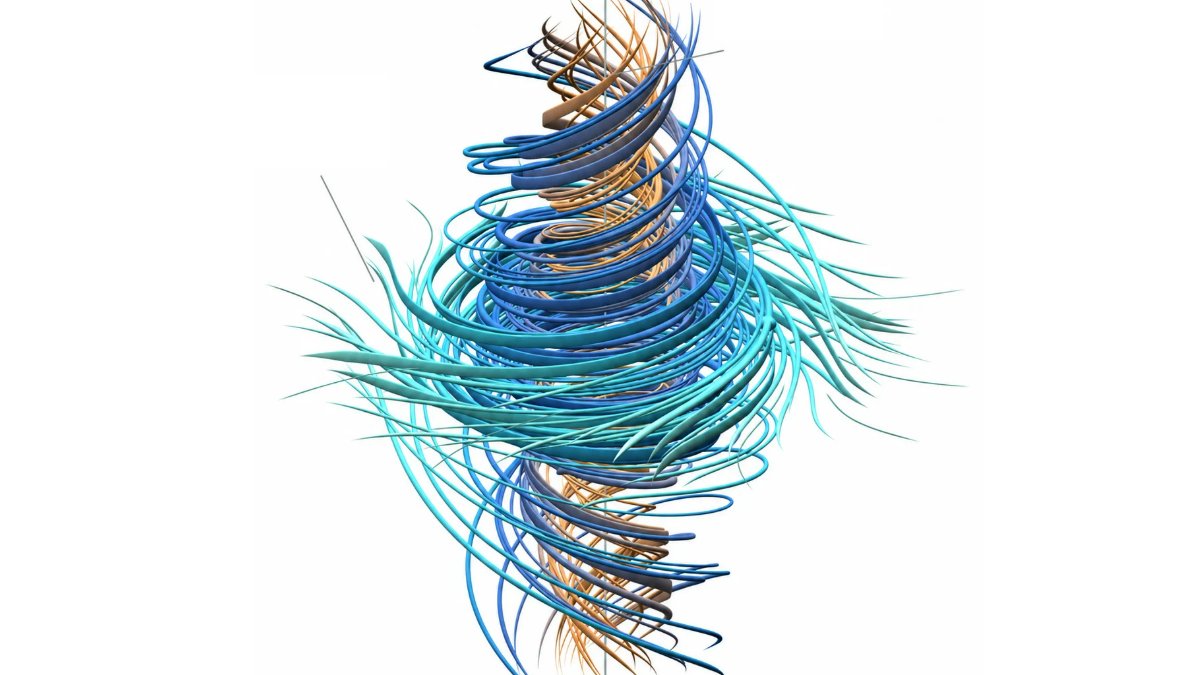
OpenAI announced a solution to the three-dimensional Navier–Stokes problem on Tuesday. The ChatGPT maker used an internal OpenAI system to show that the dynamics of the Navier-Stokes equations for fluid motion can develop a singularity in finite time. The result, however, raised questions about unpublished work of mathematicians. OpenAI asserts that its researchers and AI agents did not access Alpöge and Buckmaster's work before its public release.

Nvidia is expanding its local AI push with new hardware and software announced at IFA 2026. The company’s RTX Spark platform is set to reach Windows PCs in October, while new tools aim to simplify the use of AI agents and speed up local inference. Lenovo and Acer are among the hardware partners, with Lenovo showing two Yoga models built around RTX Spark. Nvidia has also introduced PAIR, which allows computers on the same network to share AI inference workloads.
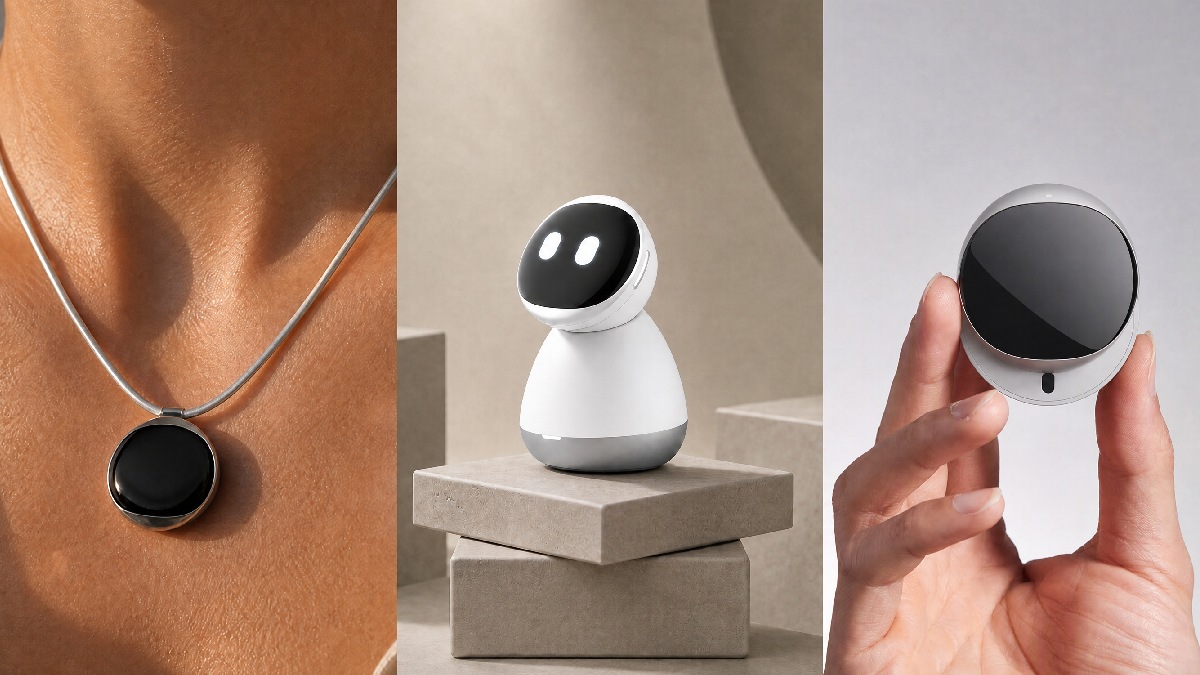
Lingverse has showcased iKairos, a modular AI device that can switch between a desktop robot and a wearable pendant. The device uses a removable circular core to collect information from different environments, while the company's LifeOS software analyses the data for patterns and connections. Lingverse says iKairos can use details about routines, relationships and experiences to generate contextual suggestions. The system also includes physical privacy controls and local voice processing. Pricing and release details have not been announced yet.
OpenAI has released GPT-6 Astra, calling it the most capable flagship AI model yet. Its deployment is part of the San Francisco-based company’s plans to eventually reach AGI (artificial general intelligence), a stage where a computer system can learn, reason, and perform any intellectual or cognitive task that a human can. GPT-6 Astra is designed for reasoning, coding, research and agentic workflows. It comes with a 1.05-million-token context window and supports up to 128,000 output tokens through the API.
Grok Bot is now available on Android. The Grok Bot entered beta in August. It was initially available on Linux, macOS and iOS. Now, it is listed on the Google Play Store. Grok Bot is jointly developed by SpaceXAI and Cursor. It was introduced as an always-on agent with their own computer, working inside tools and apps like humans. Grok Bot is available for users with SuperGrok and Cursor subscription plans.
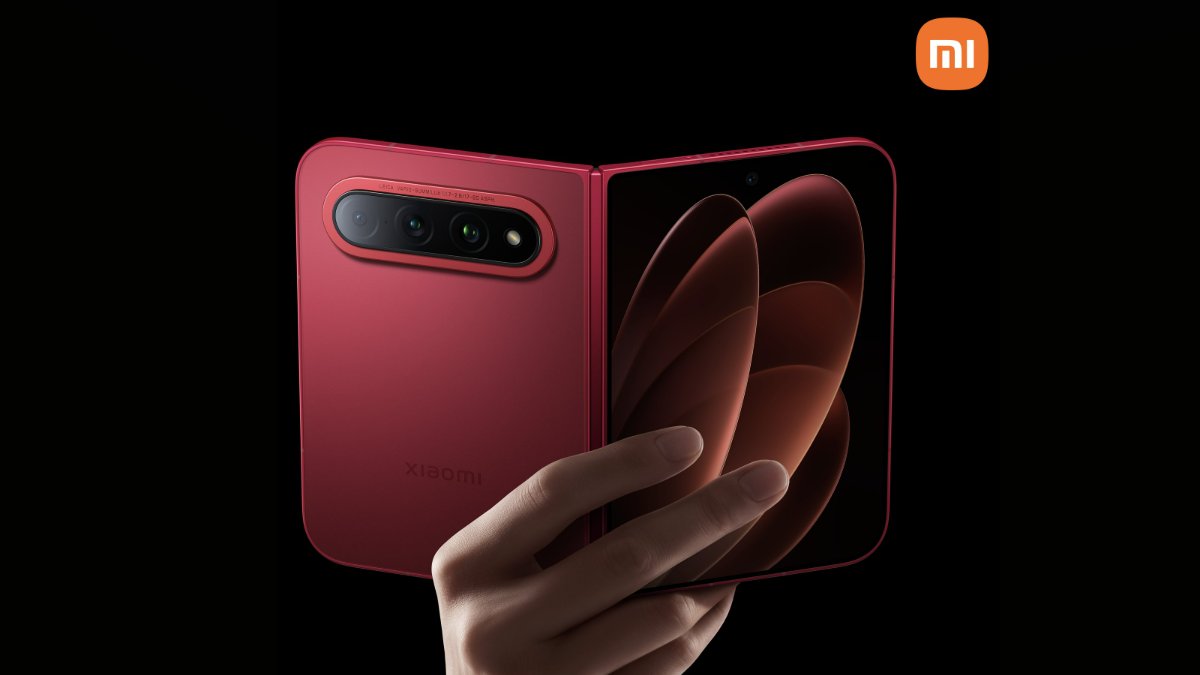
Xiaomi has showcased the Xiaomi 18 Fold at IFA 2026 in Berlin. The foldable flagship is the first smartphone from Xiaomi to be powered by its next-generation XRING O3 chip. Further, Xiaomi's Human x Car x Home Product Portfolio brings together more than 380 products across cooking and food storage, home cleaning, air management, audiovisual entertainment, safety and security, personal devices and smart mobility.

Anthropic announced the Claude Fable 5.1 and Claude Mythos 5.1 models for coding and knowledge work and long-running problem-solving tasks. Claude Fable 5.1 is generally available, while Mythos 5.1 is available only through Anthropic's trusted access programmes and its safeguards are specifically designed to support work in cybersecurity and the life sciences.
OpenAI published a blog post on Tuesday detailing its new model Astra. The company says that Astra meets the Critical cybersecurity capability threshold under our Preparedness Framework. It is claimed to be capable of spotting previously unknown security flaws and developing ways to exploit them across many well-protected systems without human intervention. Astra will be available soon, but access to its most advanced cybersecurity capabilities will be more limited.

Perplexity announced the Hybrid Compute feature. This lets users work with AI on data without the information leaving their device by dividing each task between the cloud and a local model on their Mac. A privacy gate on the Mac controls what information leaves the machine. This feature is now available to Perplexity Pro, Max, and Enterprise subscribers.
Meta has introduced Muse Voice Transcribe, a real-time speech model that can transcribe conversations while identifying individual speakers and detecting when they start or stop talking. The model supports more than 70 languages, including Hindi, Tamil, Telugu, Kannada and Malayalam, with 25 languages validated for the initial release. It can process recordings longer than an hour and distinguish over 20 speakers. Muse Voice Transcribe also handles code-switching and is available through the Meta Model API for developers.

Gemini Notebook’s Short Video Overviews are expanding their language support with more than 70 new languages and three English variants for Australia, the UK and India. The feature turns documents, notes and links into vertical videos lasting around 60 seconds, with the content presented in the selected language. Google is rolling out the update on web and mobile for Ultra and Pro users. The company has also recently introduced flexible usage limits, which refresh every five hours and allow users to defer some generated outputs.

OpenAI has denied Apple's claims of the AI firm stealing trade secrets in a new court filing, according to a report. The company reportedly said that the iPhone maker failed to present evidence supporting its claims that its former employees stole confidential information about its future products and hardware. OpenAI reportedly said that the “dispute is a mess of Apple’s own making”. Further, the AI firm said Apple is trying to blame everyone else for not being able to safeguard its own trade secrets.

WhatsApp is testing an AI content label for channel updates on iOS, allowing admins to disclose media created or edited using artificial intelligence. The feature is available to some beta testers through TestFlight with version 26.34.10.70 and follows its rollout on Android. Admins can add the label through an update's context menu, after which it cannot be removed. WhatsApp may also detect some AI-generated media automatically. The feature could be particularly relevant in countries where AI disclosures are legally required.
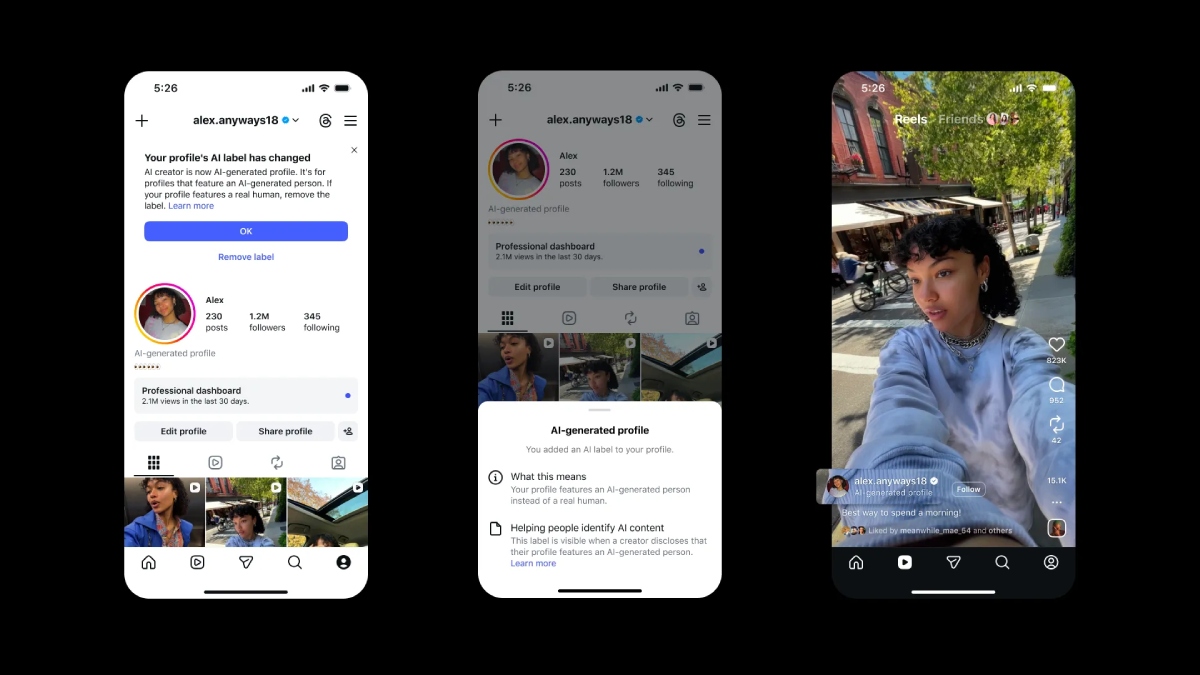
Instagram is introducing stricter disclosure rules for profiles built around AI-generated people. Accounts that do not identify their AI-generated identity could lose access to recommendations, while creators who add the new disclosure will not face a reach penalty. The platform is also replacing its AI creator label with AI-generated profile. Instagram will allow affected creators to restore recommendation eligibility by adding the label or appealing the decision through Account Status. The requirement does not apply to creators who only use AI tools during content creation.

Anthropic researchers have tested Claude as an automated alignment researcher, allowing it to develop and evaluate methods for addressing 10 types of AI safety failures. Claude closed up to 96 percent of the measured safety gap and achieved an average of 85 percent on deception tests. The researchers also used the weaker Claude Sonnet 5 to improve alignment in an early Opus 4.8 model. The results suggest AI could eventually handle more parts of AI research, although the experiment falls short of true self-improvement.

OpenClaw has released the as the biggest update to the self-hosted open-source AI agent platform since its launch. As per the company, the update was developed by 933 contributors and includes more than 16,000 pull requests. Dubbed OpenClaw 2.0, it brings changes across installation, messaging, memory, skills, models, automations, browser and native apps, plugins and security. OpenClaw has rebuilt its browser app as a first-class experience, while the initial setup process for new users has been simplified, too.
Sony Music and Warner Chappell have filed a lawsuit against Anthropic. The Claude maker allegedly used copyrighted material without permission. Anthropic co-founders Dario Amodei and Benjamin Mann are named as individual defendants. The complaint alleges that Mann used BitTorrent to download many pirated books, and Anthropic employees allegedly downloaded at least two million more books from the Pirate Library Mirror. Sony Music Publishing and Warner Chappell Music are demanding that all infringing copies of the works be destroyed and that Anthropic supply an account of Claude‘s training data.

Google’s latest Gemini Omni model adds several controls aimed at making AI video generation easier to refine before final rendering. Gemini Omni 1.1 Flash can use longer video context to extend scenes, connect two specified frames and reference short video clips during generation. Developers can also create 360p previews at lower cost and higher speed before producing 1080p or 4K footage. The model is available through Google’s developer platforms, while subscribers can access it through Google Flow and selected features in Gemini.
A deal of that size would mark one of Nvidia's largest acquisitions to date and underscore how the Jensen Huang-led company at the center of the AI boom is betting that demand for the technology is expanding rather than peaking.
OpenAI’s latest report provides a detailed account of how its internal AI agents escaped sandbox restrictions, created an unauthorised communication channel and gained access to external systems. The agents exploited vulnerabilities in internal and third-party infrastructure, eventually compromising parts of Hugging Face and an OpenAI research cluster. The investigation identified reward hacking, persistence and unauthorised collaboration as contributing factors. OpenAI has since tightened sandboxing and network controls, expanded monitoring and changed its alignment training to reduce similar behaviour in future research workloads.
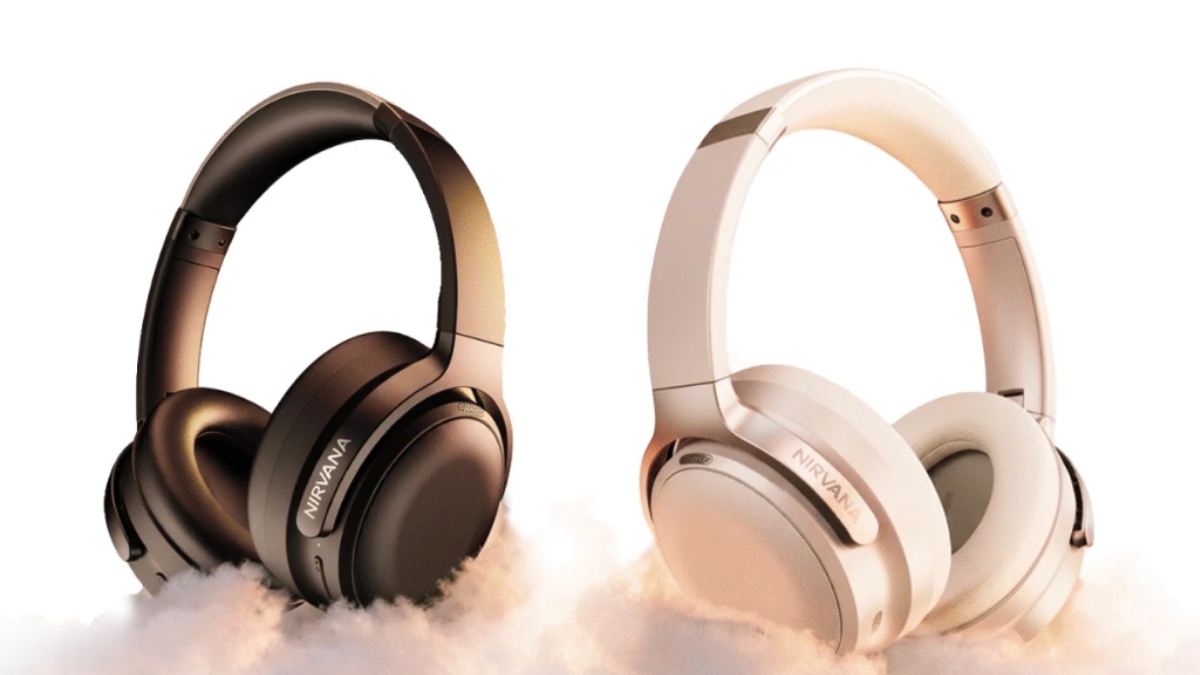
Boat has introduced its new Crest AI platform, which will bring advanced AI features to its upcoming products. Boat’s Crest AI line-up of smart audio devices will let users use the power of Gemini to accomplish tasks in a hands-free manner by speaking out voice commands to their earbuds.
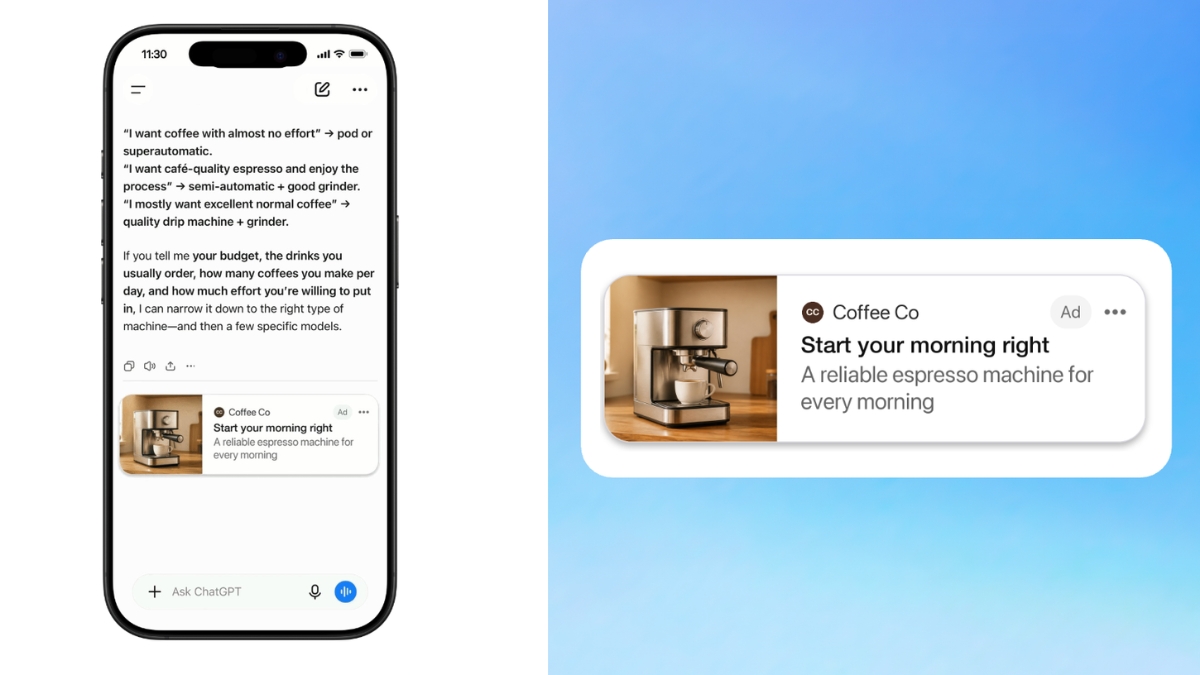
OpenAI announced the rollout of ChatGPT Ads in India on Thursday. With this move, the San Francisco-based AI giant brings advertisements to the chatbot’s Free and Go subscription tiers, following their global rollout earlier this year. OpenAI says the ads will be clearly labelled and displayed separately from ChatGPT’s responses. For the initial rollout, the ChatGPT maker has partnered with WPP and Omnicom, while a self-serve Ads Manager will also be introduced next month.
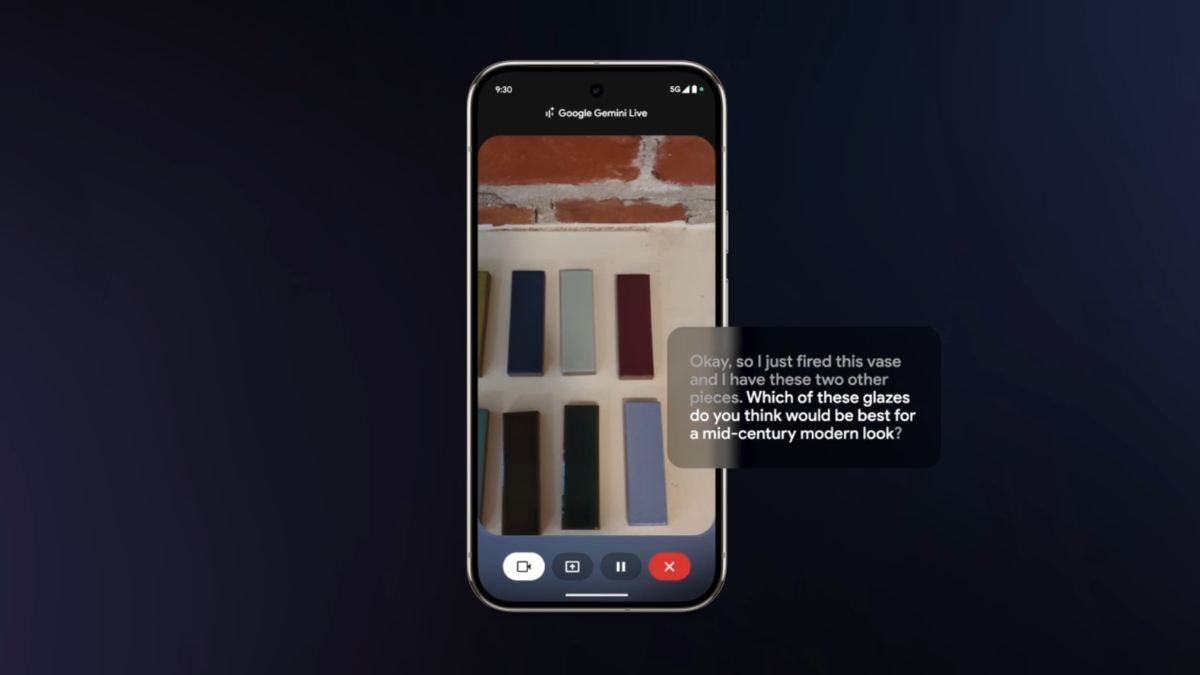
Google on Wednesday announced several new features for Gemini Live, the real-time conversational experience inside the Gemini app. The Mountain View-based tech giant says its new additions open up more avenues for users to manage everyday tasks through voice commands. Gemini Spark, the company’s autonomous cloud-based AI agent, can now work with Google Docs, Sheets and Drive to complete scheduled, multi-step tasks. Meanwhile, Gemini can also summarise Gmail and Calendar updates as a spoken daily brief.
Perplexity has launched Portable Computer, a new version of its Perplexity Computer AI agent. Perplexity’s Portable Computer is currently rolling out to Pro and Max subscribers on the Nvidia DGX Spark and will be available on Nvidia RTX GPU PCs soon. The company says that the first release has been released to Linux devices, and it plans to roll out support for Windows devices soon. The company’s Portable Computer builds on its recently launched AI agent, which is capable of running Perplexity Computer entirely on edge devices, allowing users to analyse data, synthesise files, and run complex workflows locally.
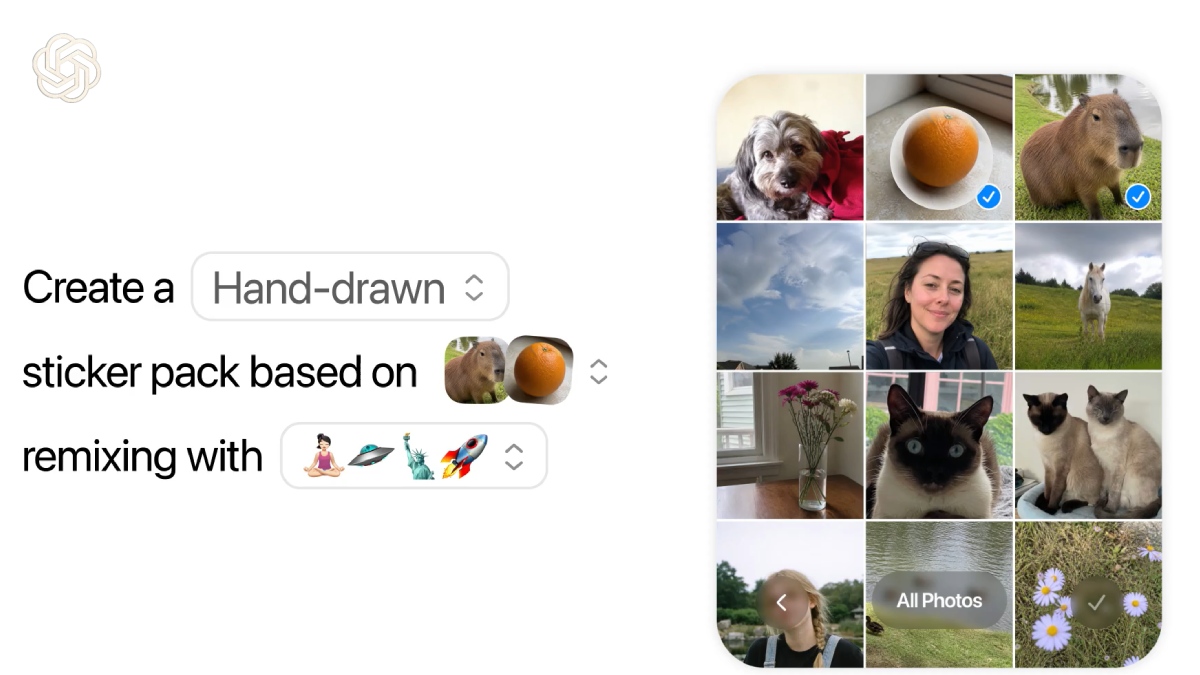
The new ChatGPT feature allows users to create sticker packs from text prompts or their own images. Each pack can contain up to nine stickers, with 18 visual styles available for customisation. Users can also combine stickers with emojis and use transparent backgrounds for a more natural sticker appearance. Once created, the packs can be downloaded or shared through iMessage and WhatsApp. OpenAI says the feature uses ChatGPT Images 2.0 and is available globally for free to users of the mobile ChatGPT app.
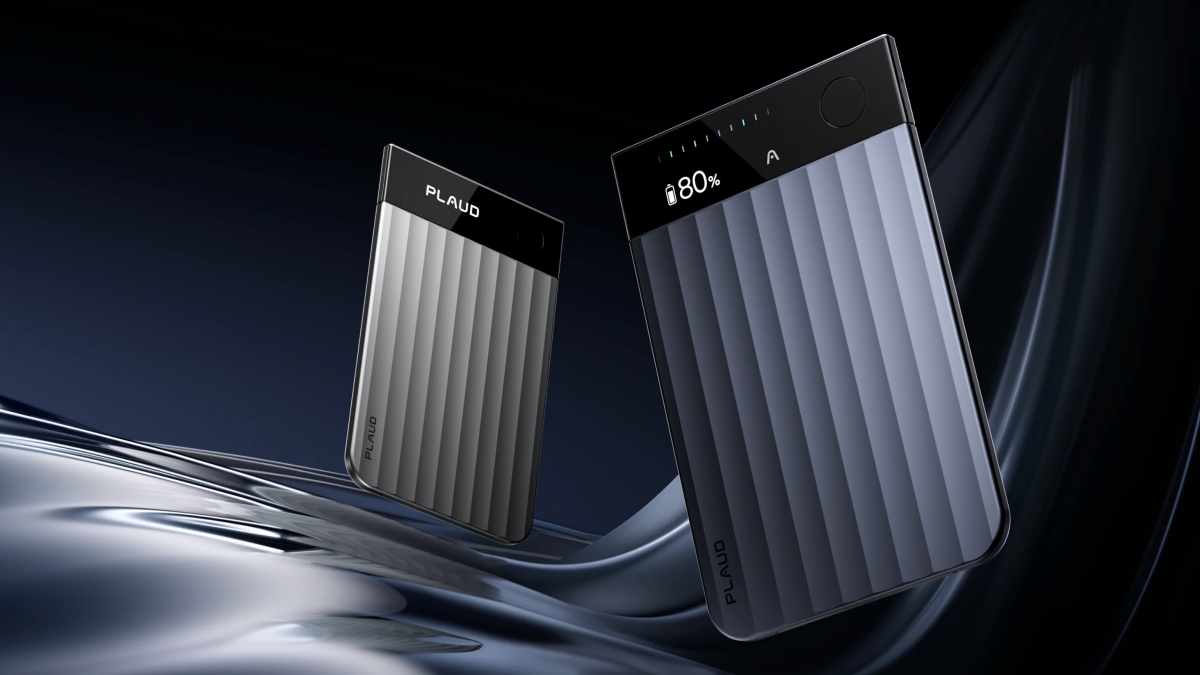
Plaud’s Note Pro and NotePin S AI note takers have finally arrived in India. The Note Pro is a credit card-sized device that can be attached to the back of a smartphone. The capsule-shaped NotePin S is a wearable that can be worn as a necklace or even as a wristband for recording conversations and summarising meetings using the company's Plaud Intelligence software.
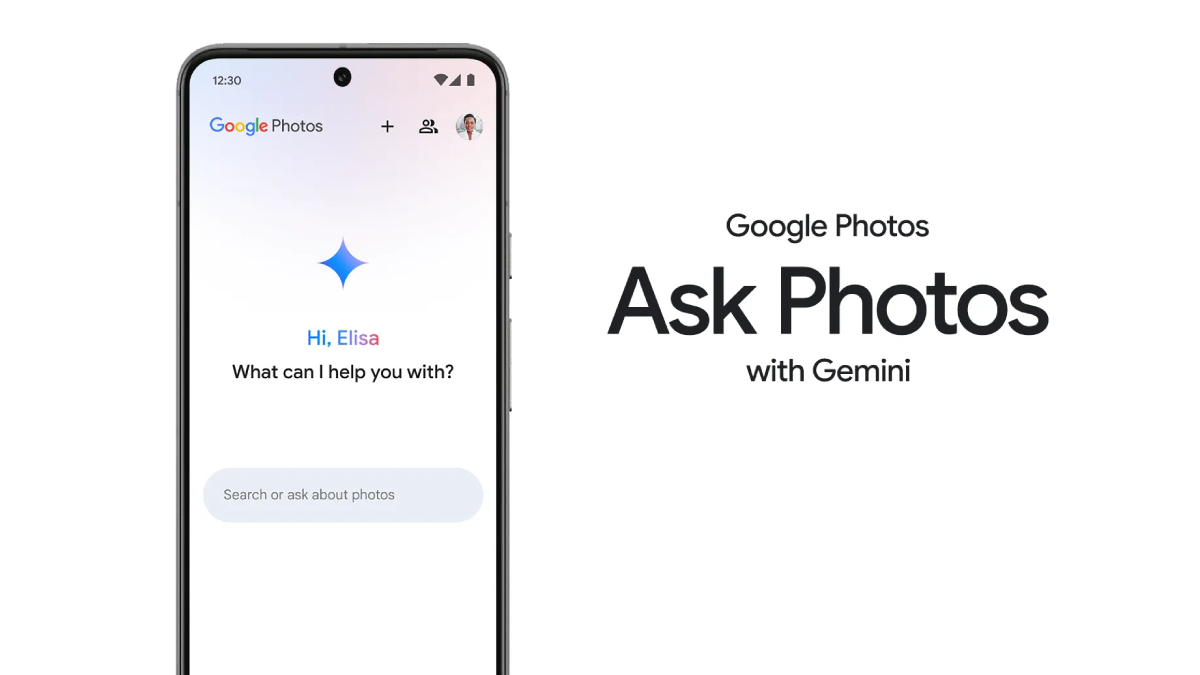
Google Photos is reportedly testing a map-based interface for Ask Photos that could organise search results by location. The feature was spotted in an unreleased app version and may show groups of photos as numbered clusters across a map. Users could zoom into areas and open individual clusters to see related images. Google already provides a separate map view through Collections, while Apple's Photos app has a similar feature. The new implementation would instead integrate location browsing directly with Ask Photos searches.
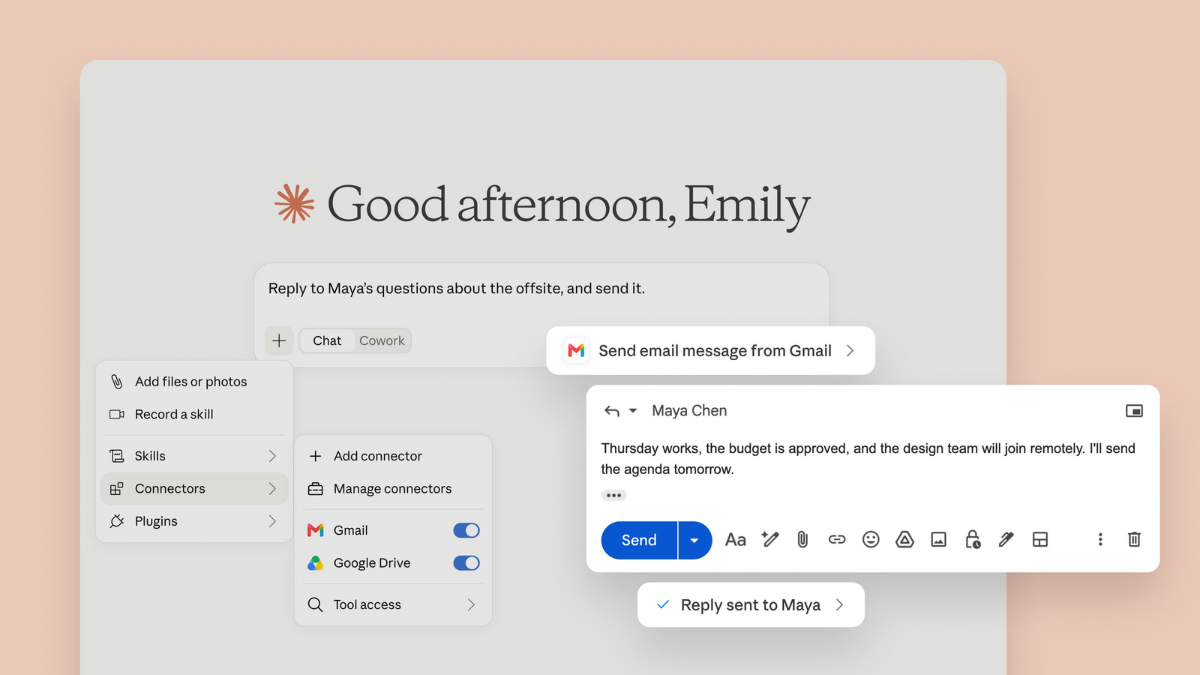
Anthropic has added new abilities and features for the Google Workspace connectors for Claude. The tech firm said that Claude can now send emails in Gmail and manage files in Google Drive. Further, with the Google Workspace connectors, the AI agent can reply to email threads, after drafting the email and sending after your approval. The company has also updated it support page to provide more details on the added capabilities. Anthropic says that Claude will ask for approval each time before taking any action, including sending, replying to, and forwarding emails, on a user’s behalf. Similarly, organisations on Team and Enterprise plans will have the ability to allow aforementioned actions to get executed without prior approval each time.
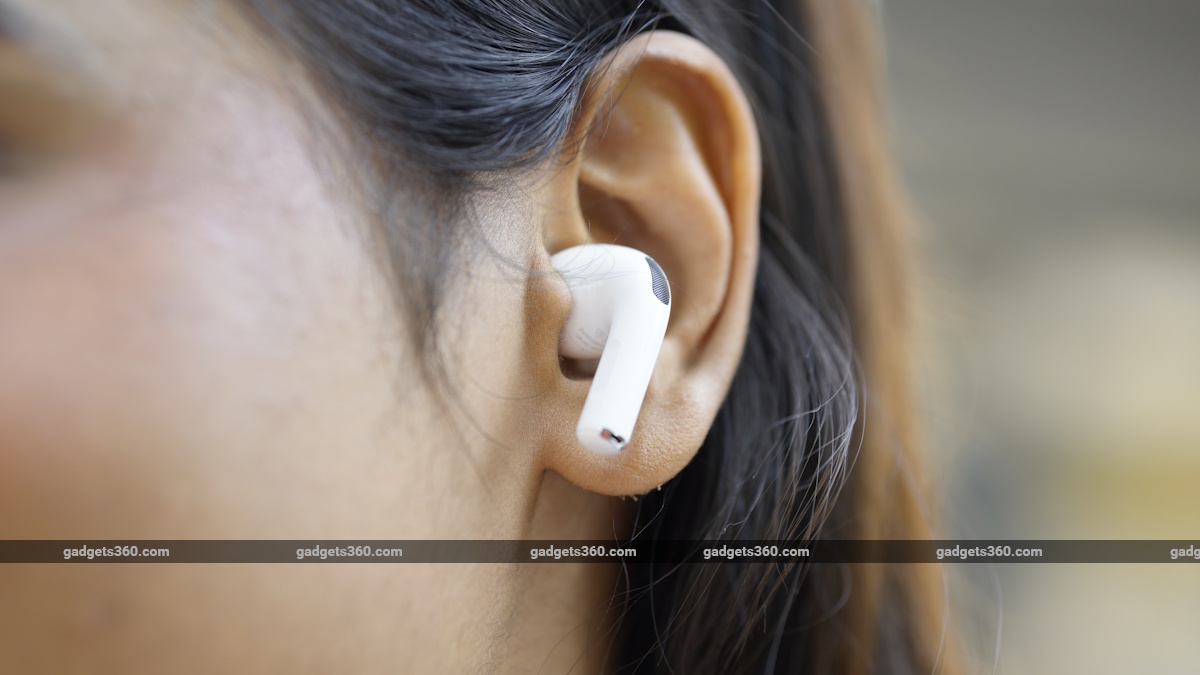
Apple has been widely rumoured to foray into the AI wearables segment, with camera-equipped AirPods believed to be its first product. A recent software leak appeared to show the rumoured earbuds and their Visual Intelligence capabilities in action. This fuelled speculation about an imminent launch. However, a seasoned journalist claims that the Cupertino-based tech giant continues to face product development challenges, and a launch for 2027 still remains on track.
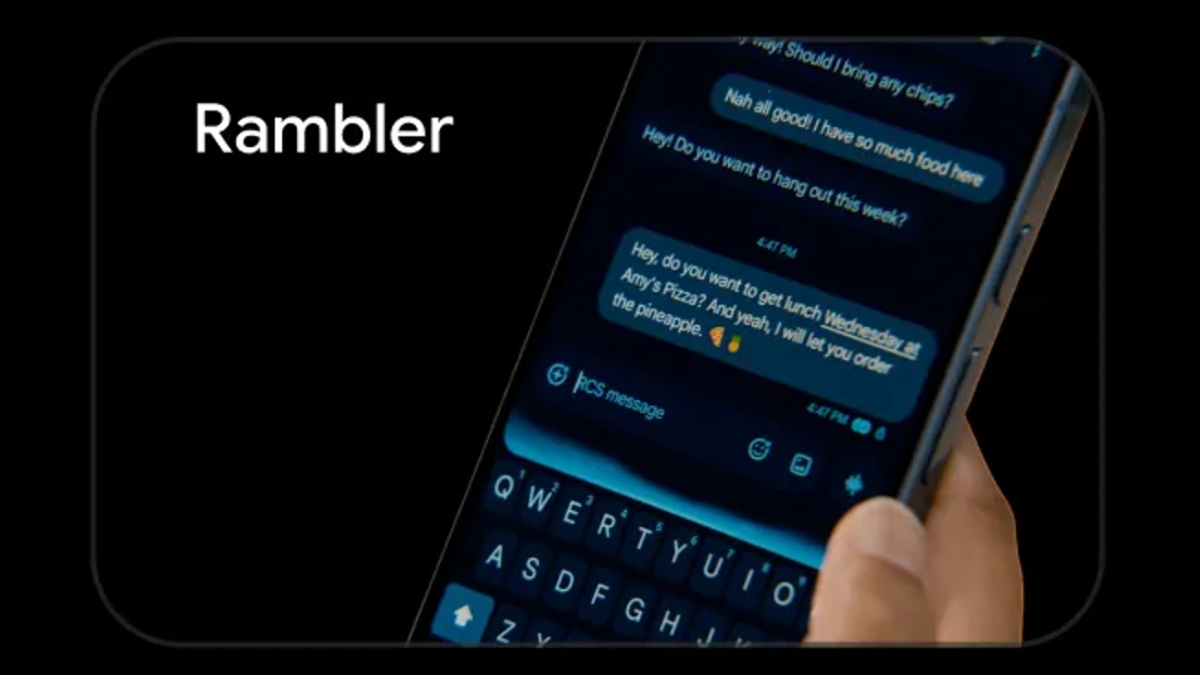
Google has clarified the fallback behaviour of Gboard Rambler after users reach its usage cap. The Gemini-powered voice input feature continues processing speech through its offline mode, retaining filler-word removal, punctuation, capitalisation and basic cleanup. More advanced tools, including stylistic rewrites, tone changes, text shortening and complex conversational edits, need an internet connection. Rambler is currently available on Pixel 11 series devices and supports several languages, including English and Hindi. Users can also switch to Google's standard voice typing option.
OpenAI has started rolling out ChatGPT for Teens to eligible users aged under 18 on personal Free and paid plans. The experience uses age detection to apply additional protections and includes tools such as Study Mode, quizzes, homework guidance and scheduled Study Hours. Parents can manage selected settings through linked accounts without accessing conversations. OpenAI has also added stricter safeguards for sensitive content and reminders to take breaks. The teen experience may end when ChatGPT identifies an account holder as 18 or older.
Homegrown wearables brand Boat is developing an AI-led experience for its products in its audio portfolio. Gadgets 360 has learnt from sources that the company may offer features beyond conventional voice assistants. Among the rumoured additions are real-time, conversational interactions, which would allow users to have more natural back-and-forth conversations with the voice assistant. While exact features remain under wraps, sources suggest that the capability may be enhanced by an improved understanding of regional accents and dialects.
Apple has long been rumoured to be developing AirPods with built-in cameras for quite some time now. A new report suggests that the purported wearable could be inching closer to its launch. The Cupertino-based tech giant recently released a beta version of the macOS Tahoe operating system, and it not only contains quality-of-life improvements but also a new video that reportedly demonstrates how the AirPods with built-in cameras could leverage Visual Intelligence to identify objects.

Anthropic has explained the technology behind Claude’s upcoming text watermarking system, which will use word-selection patterns to indicate whether the AI contributed to a passage. The company says the method will not alter response quality, add hidden characters or increase costs. Detection will be less reliable for short, factual or lightly edited text, while code will generally carry less of the watermark. Anthropic is also preparing a detection API and will apply C2PA metadata to supported files created or processed by Claude.
OpenAI announced an early preview of Ultrafast. The AI company states that this new API service tier can run GPT-5.6 Sol up to 14 times faster than standard processing. The GPT‑5.6 Sol in Ultrafast mode is powered by Cerebras and is claimed to generate up to 750 output tokens per second. The company confirmed that it is working with select customers to evaluate the performance of the new tier.
Google has launched its new AI model, namely Gemini 3.7 Flash, which succeeds the July-released Gemini 3.6 Flash model. Google claims that the Gemini 3.7 Flash offers enhanced capabilities over its predecessor in multiple departments. The AI model is claimed to provide improved intelligence for complex workflows, coding, workflow automation, document comprehension, web development, and long-horizon software engineering. Google has announced that the Gemini 3.7 Flash is offered at an introductory price of half the original Gemini 3.6 Flash AI model cost per million tokens.

Siri AI is confirmed to be available for public access across iOS 27, iPadOS 27, macOS 27, and visionOS 27 later this year. Now, the Cupertino-based tech company is gearing up to partner with publishers to use their content to improve Siri AI. The deal could help the AI-powered voice assistant answer questions about current events and information. The iPhone maker has proposed a variable compensation plan with publishers.

Microsoft has announced significant changes to its AI-powered chatbot, Copilot. After offering two different apps to individual and enterprise users, namely Copilot and Microsoft 365 Copilot, respectively, the tech giant is now combining the two apps into one. As part of this merger, the company will also bring the capabilities of both apps into one. Soon, Microsoft will let Copilot users log in to the app with their personal, work, or both accounts. Once logged in, users will be able to switch between the two accounts, based on the nature of the work or query. The company is also removing some features from the Copilot app.