NASA has successfully completed the full assembly of the Nancy Grace Roman Space Telescope, marking a major milestone for the next-generation infrared observatory. With its powerful wide-field camera and advanced coronagraph, Roman is expected to transform our understanding of dark energy, galaxy formation, and exoplanets once it launches later this decade.

The first and only total solar eclipse of 2026 is set to take place today (Wednesday). It presents skywatchers across parts of the Northern Hemisphere with an opportunity to witness the Moon completely cover the Sun. NASA says the path of totality will cross Greenland, Iceland, northern Russia, Spain and a small part of Portugal, while a partial eclipse will also be visible over a larger region. Even with the totality lasting for less than two minutes for most, observers will have a small window of opportunity to witness a rare sky phenomenon.

Using just two hours of observations, JWST decoded the atmosphere of GJ 504b, a cool pink world 57 light-years away. Scientists detected water vapor, methane, ammonia, and carbon dioxide, while deep salt clouds helped explain the object's unusual appearance and temperature.
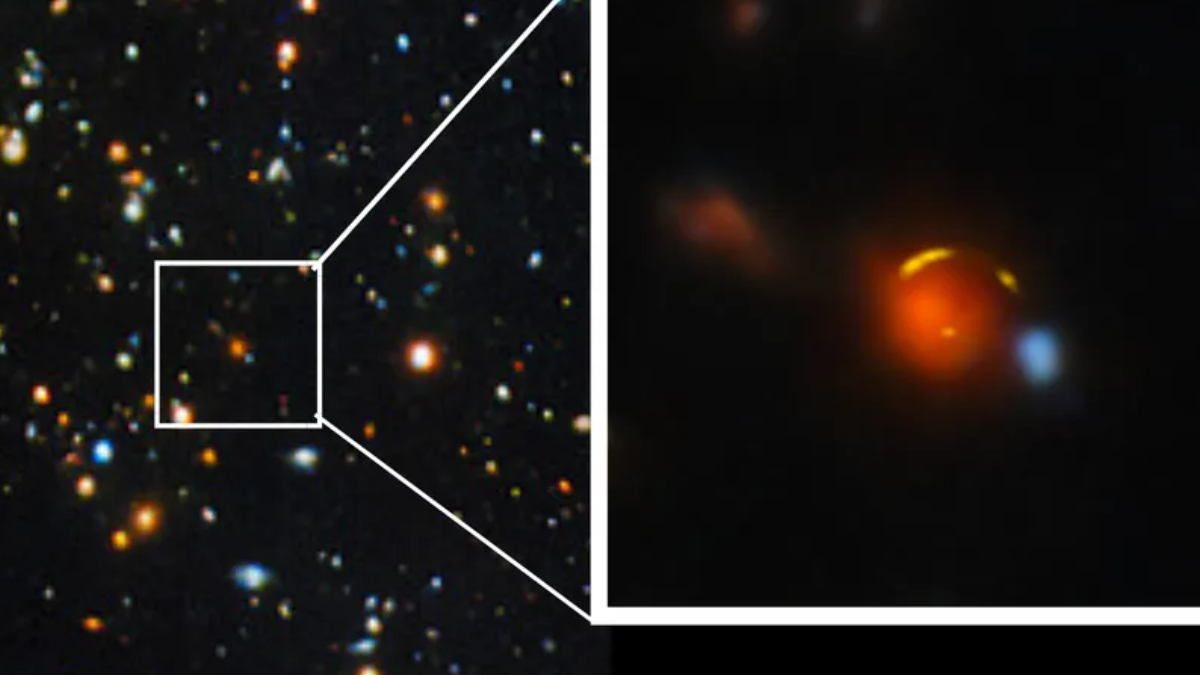
Scientists have identified the source of a high-energy neutrino detected by IceCube in 2021. The particle originated from a distant starburst galaxy known as Shadow Blaster, suggesting that intensely star-forming galaxies can act as powerful cosmic accelerators without relying on active black holes.
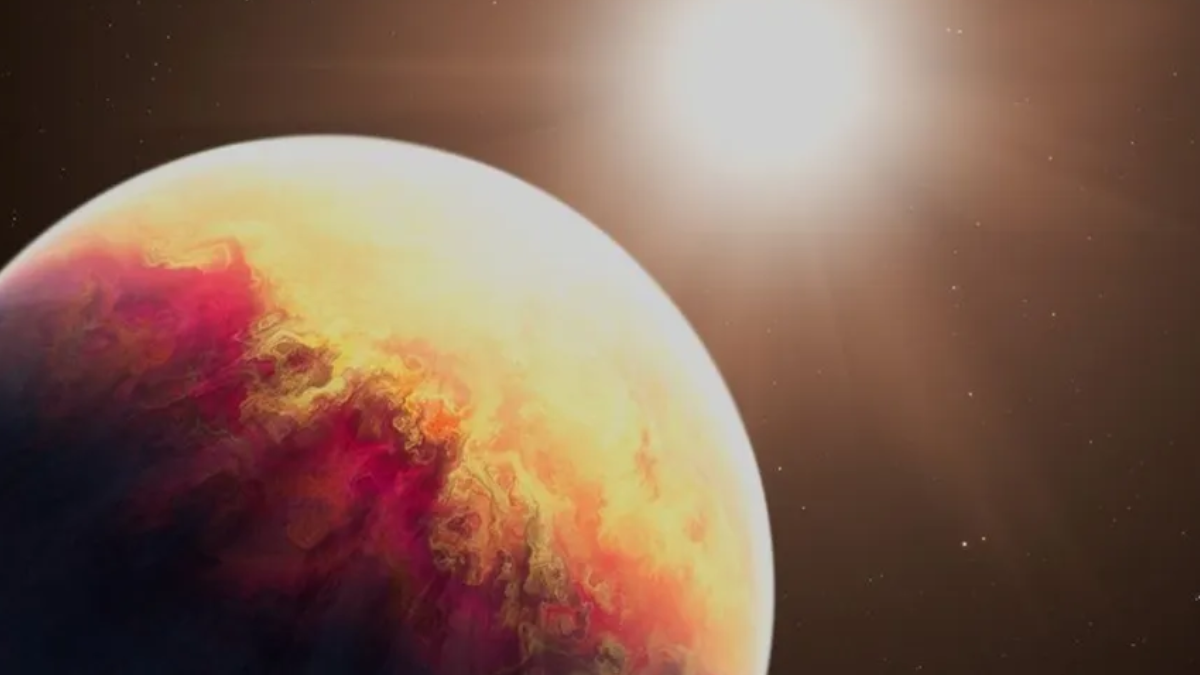
The James Webb Space Telescope observed HD 80606 b undergo a dramatic temperature surge during its closest approach to its star. The data revealed extreme heating and detected methane and carbon dioxide, offering a rare look at how giant exoplanet atmospheres respond to intense stellar energy.
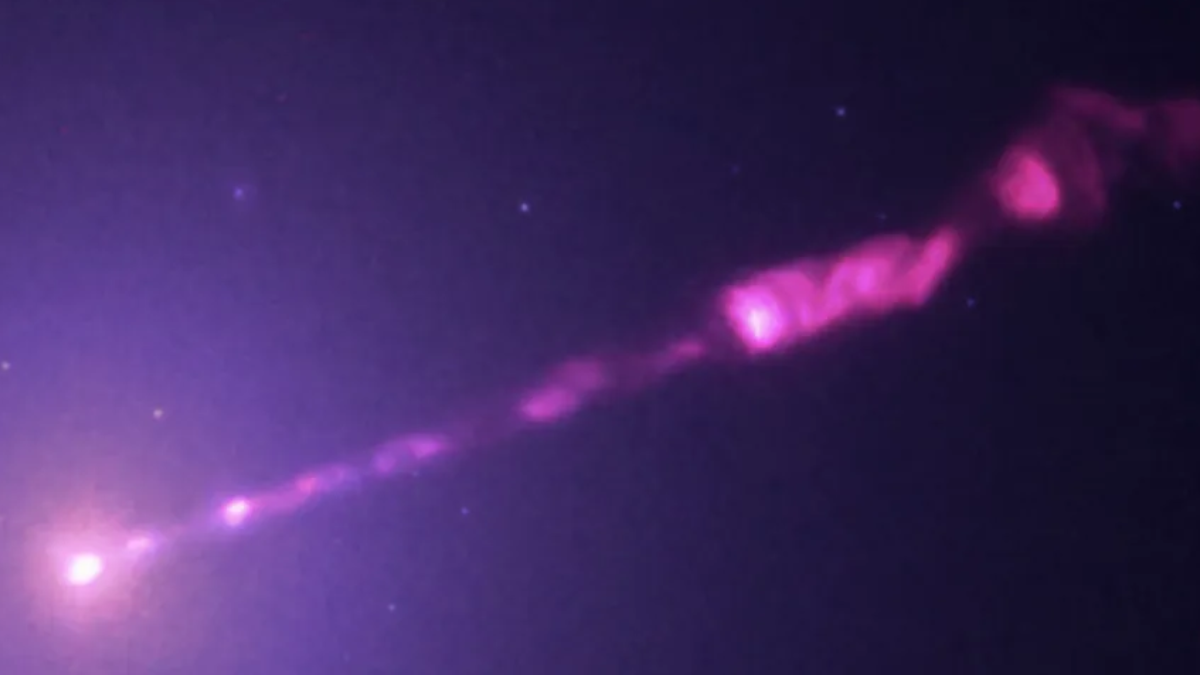
Using 13 years of observations, NASA's Chandra X-ray Observatory produced its sharpest-ever view of the jet from M87's supermassive black hole. The data reveal new structures, cooling particles, and magnetic fields that help scientists understand how black holes shape galaxies.
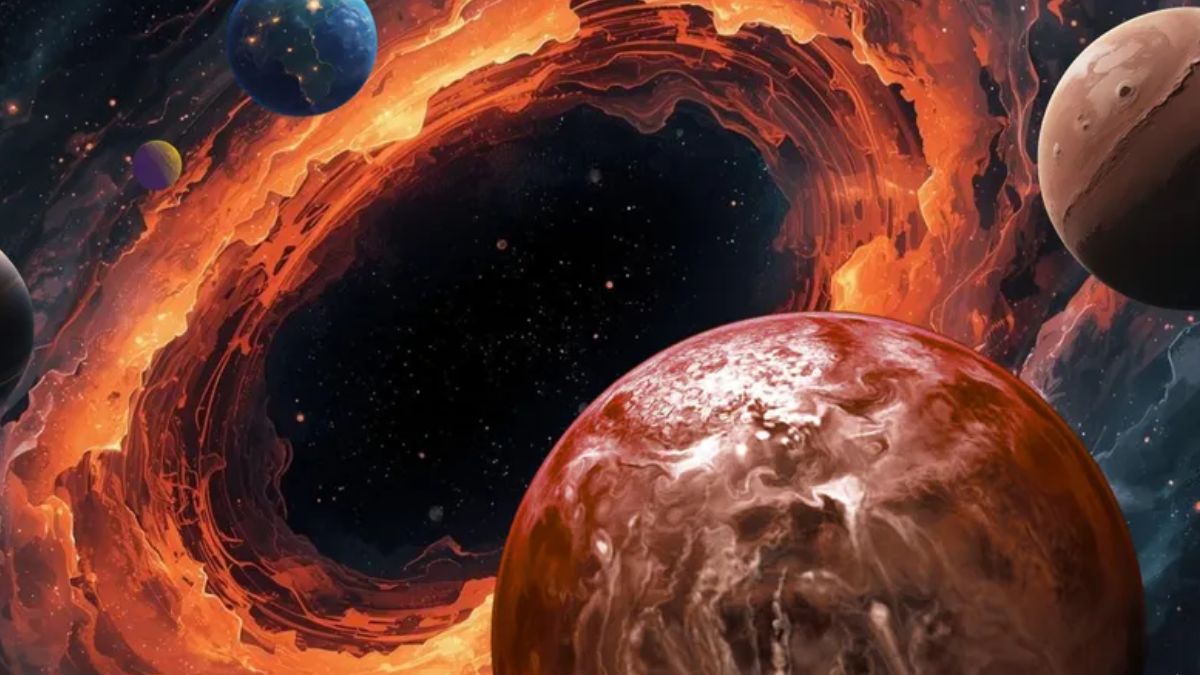
New research suggests that supermassive black holes may host the formation of giant planets within their surrounding dusty disks.
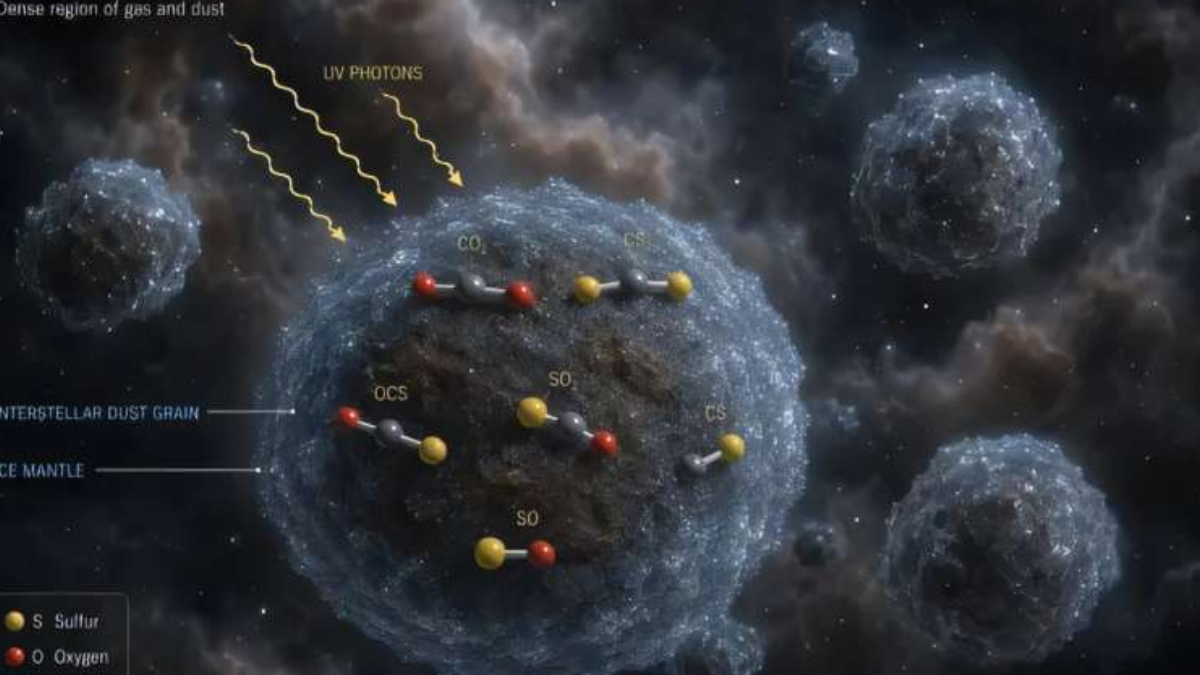
A new simulation suggests sulfur in star-forming clouds may be locked inside icy dust grains through previously overlooked chemical reactions. The findings offer fresh clues to a decades-old cosmic mystery and could improve our understanding of life's essential ingredients in space.
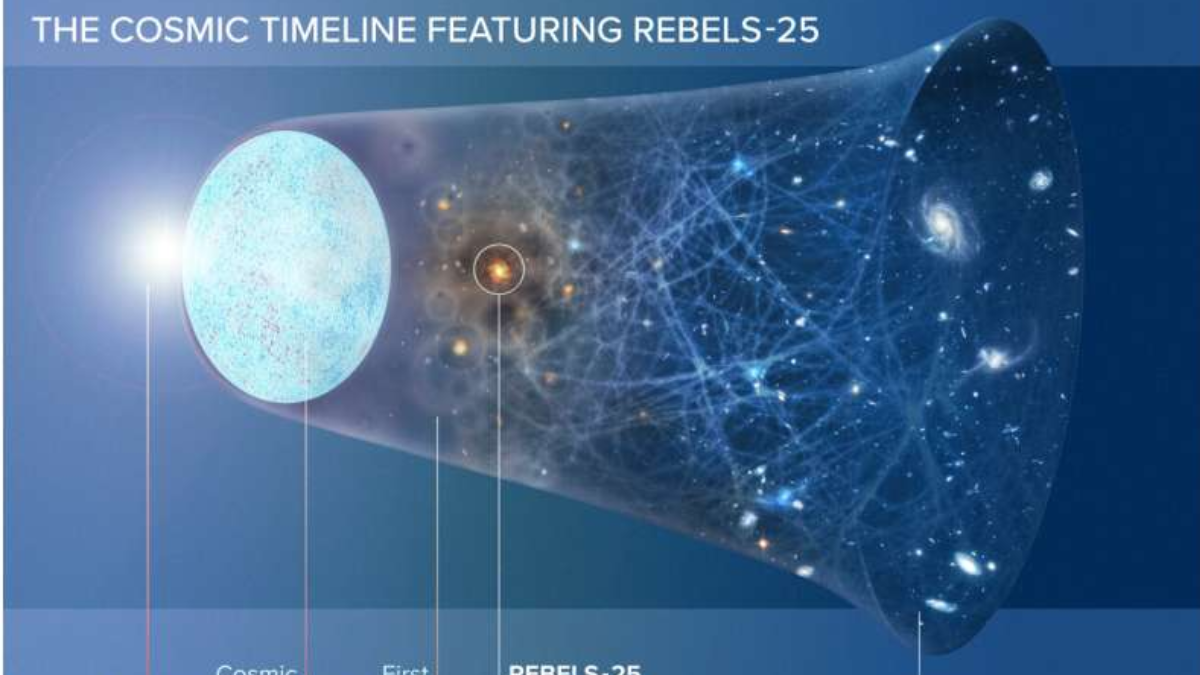
Using ALMA and the Very Large Array, astronomers directly detected a massive reservoir of molecular gas in REBELS-25, a galaxy from just 700 million years after the Big Bang. The finding provides the clearest evidence yet that some early galaxies were already loaded with the fuel needed for rapid star formation.
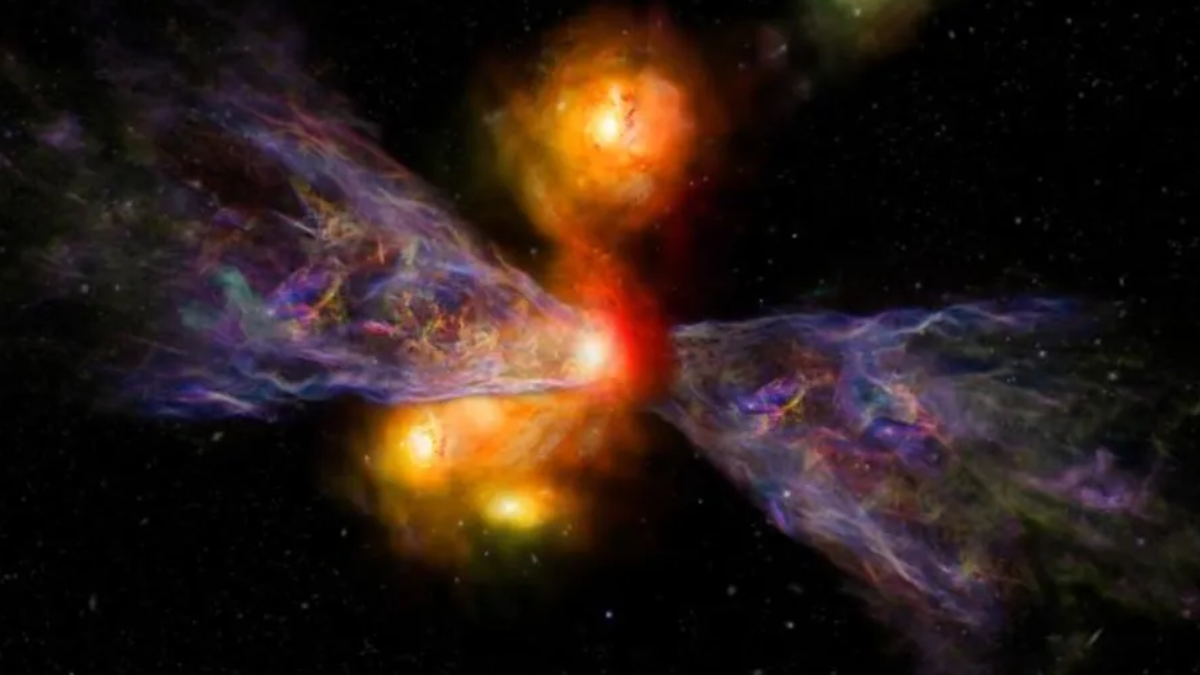
Astronomers have discovered a powerful galactic wind in the merging galaxy system CRISTAL-02. The outflow is removing star-forming gas faster than it can be replenished, providing the first direct evidence for a mechanism that may have shut down star formation in massive early galaxies.
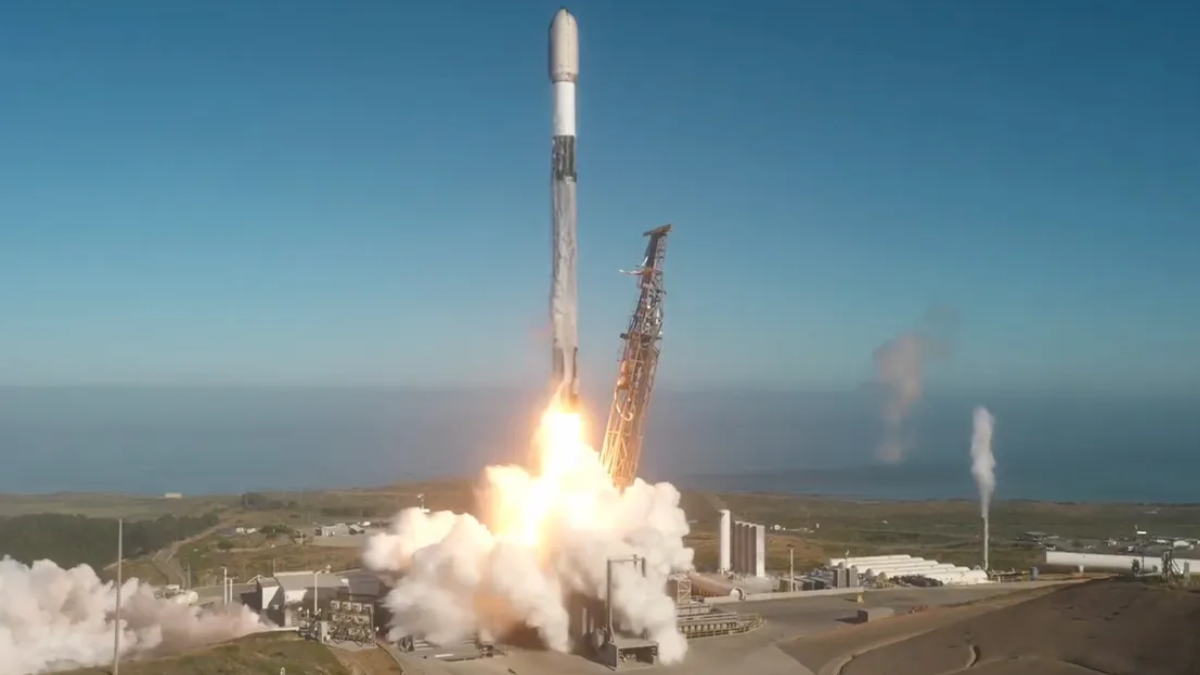
A Falcon 9 rocket launched 24 Starlink satellites from California, expanding the constellation beyond 10,600 spacecraft. The mission also brought booster B1071 within one flight of SpaceX’s Falcon 9 reusability record.
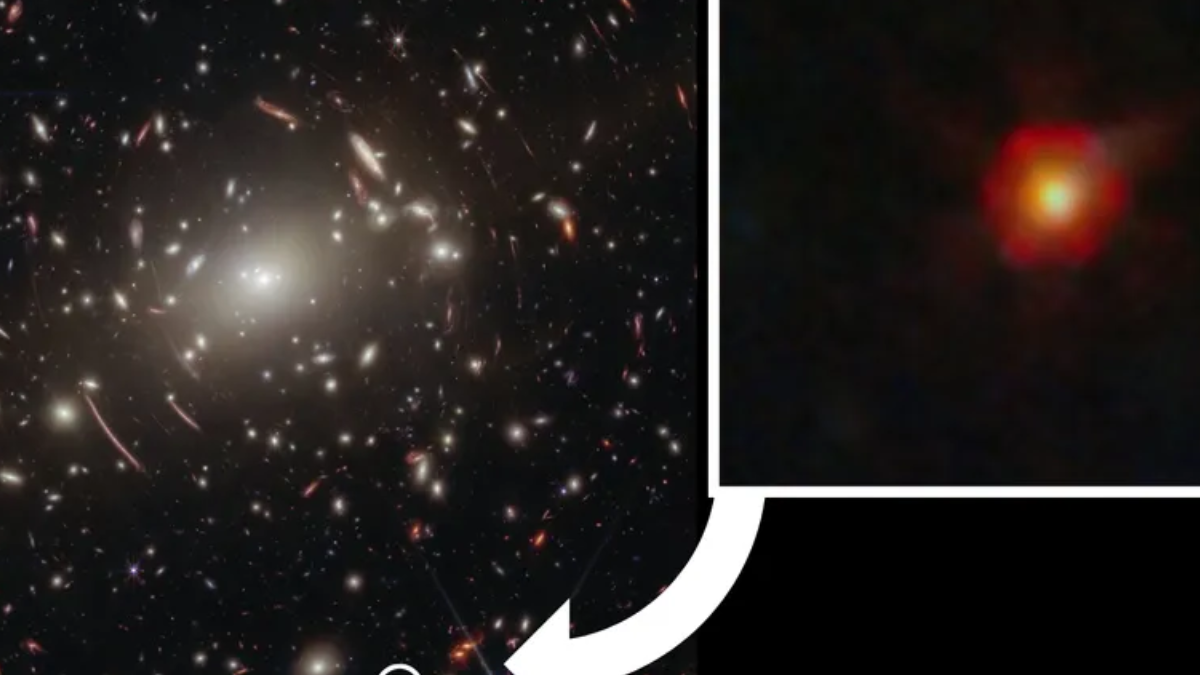
Using JWST, astronomers obtained the most detailed spectrum yet of a little red dot and found evidence that these mysterious objects are rapidly growing black holes wrapped in dense gas. The discovery could explain why they appear, shine red, and eventually disappear from the cosmic record.
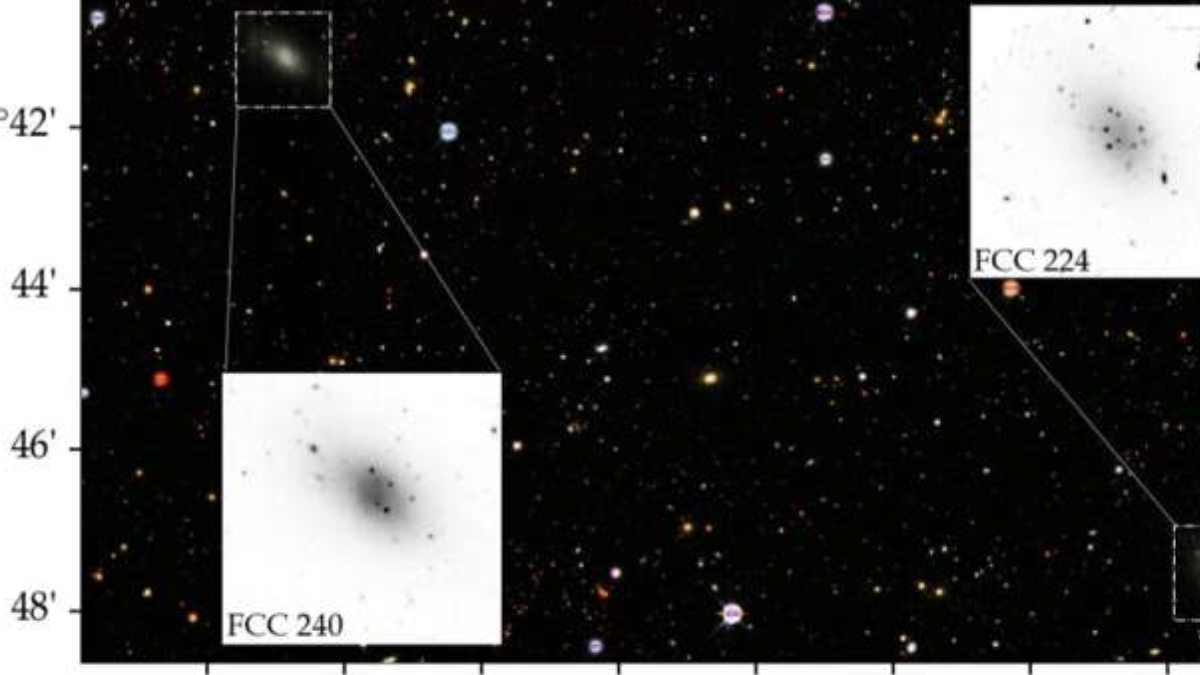
Researchers studying FCC 224 and FCC 240 in the Fornax Cluster found evidence that both galaxies contain surprisingly little dark matter. The discovery supports the idea that galaxy collisions can strip away dark matter and raises new questions about how galaxies evolve.
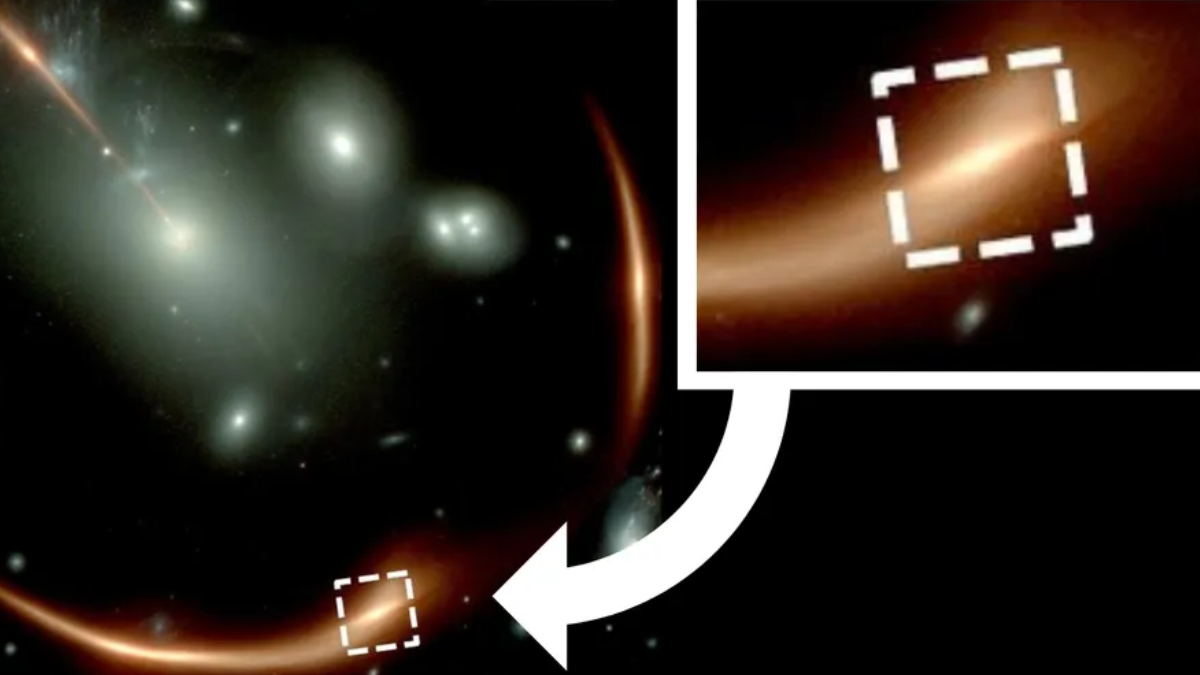
Using JWST and a natural gravitational lens, astronomers measured a six-billion-solar-mass dormant black hole more than 10 billion light-years away. The discovery offers a rare glimpse into how galaxies and black holes evolved when the universe was just three billion years old.
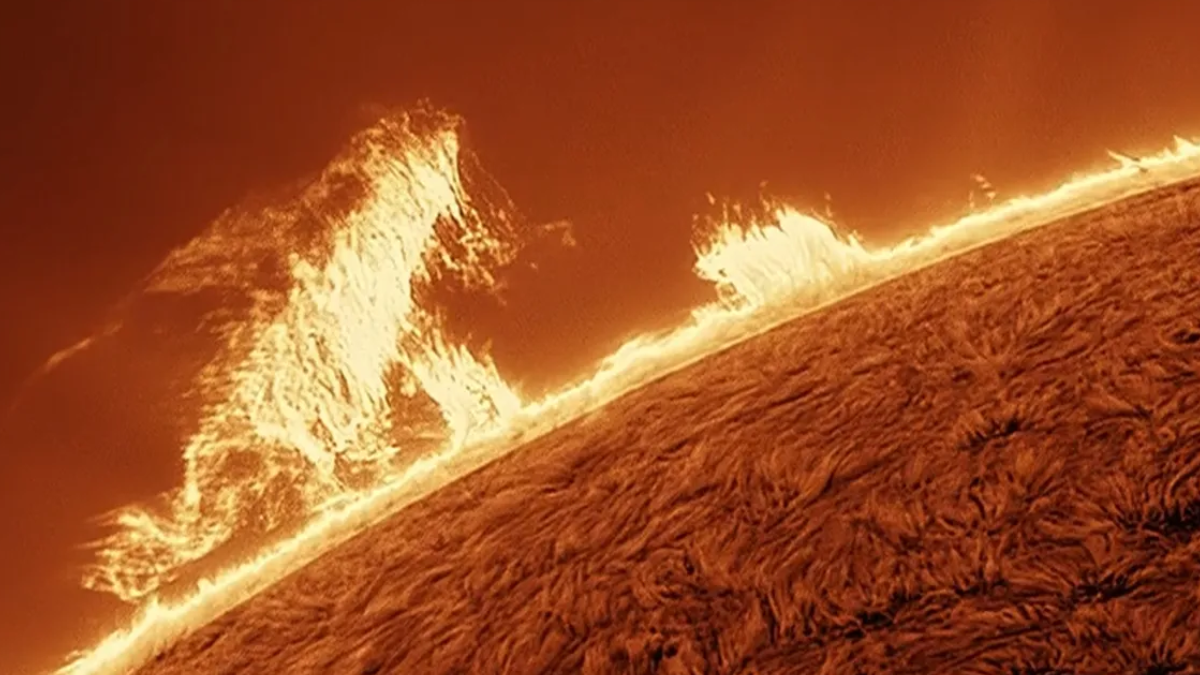
Astrophotographer Mark Johnston captured a remarkable solar prominence resembling a giant figure rising above the Sun. The image highlights how magnetic fields shape vast clouds of plasma during the Sun's active solar maximum phase.
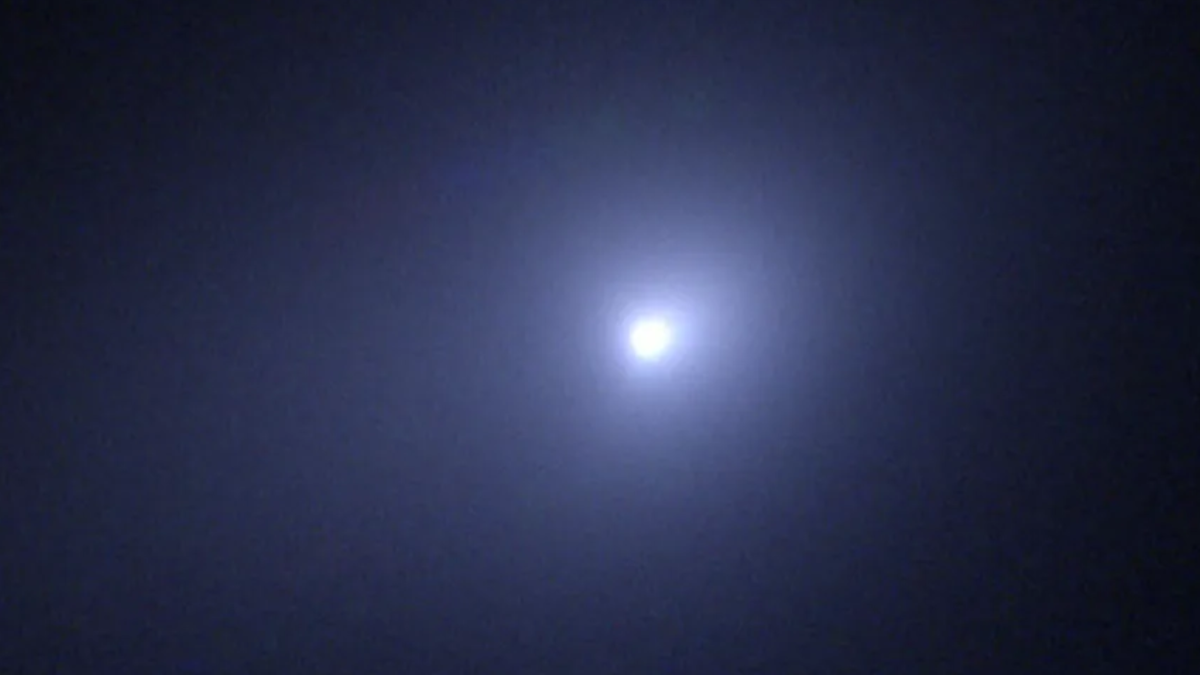
SETI researchers used the Allen Telescope Array to scan interstellar comet 3I/ATLAS for artificial radio signals. No techno-signatures were detected, but the observations improved methods for future searches.
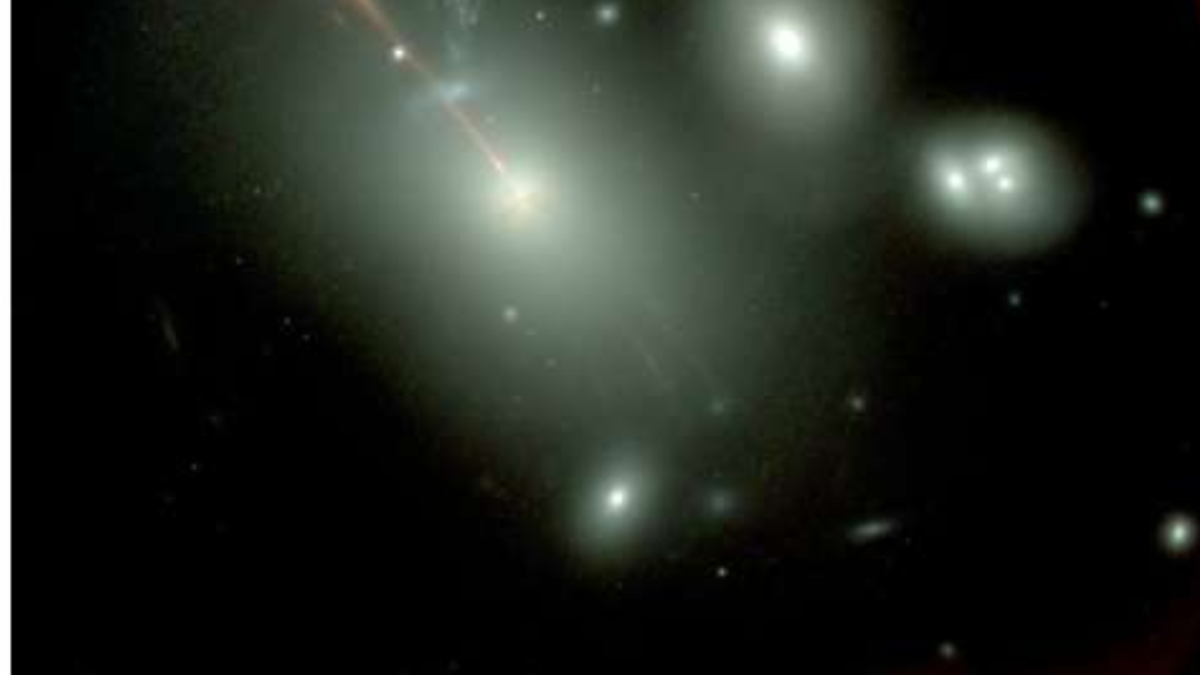
JWST has identified the most distant dormant black hole ever observed, a six-billion-solar-mass giant in galaxy MRG-M0138. Seen when the universe was only three billion years old, the discovery provides rare evidence that black holes and galaxies evolved together in the early cosmos.
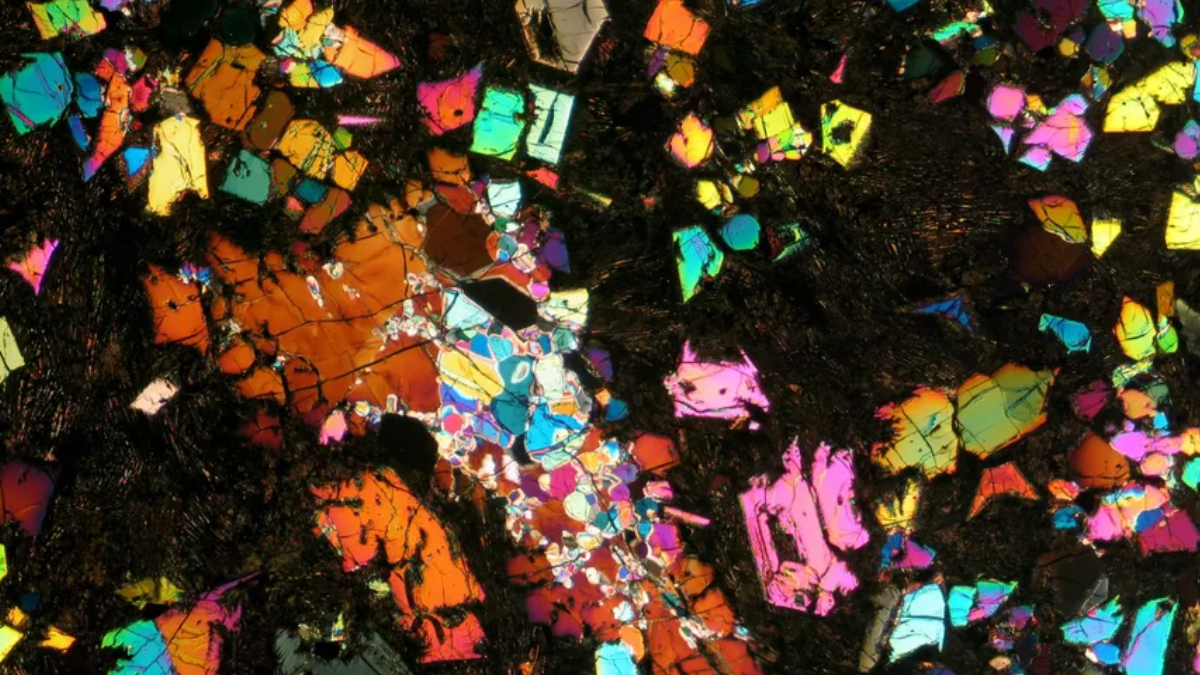
A rare angrite meteorite discovered in the Sahara may have come from a moon-sized protoplanet that existed 4.5 billion years ago. Its unusual minerals point to a large world that later disappeared in a catastrophic collision.
Three powerful solar flares erupted from active sunspot AR 4455, sending Earth-directed plasma clouds into space. NOAA has issued a G3 geomagnetic storm watch, increasing the chances of widespread auroras.
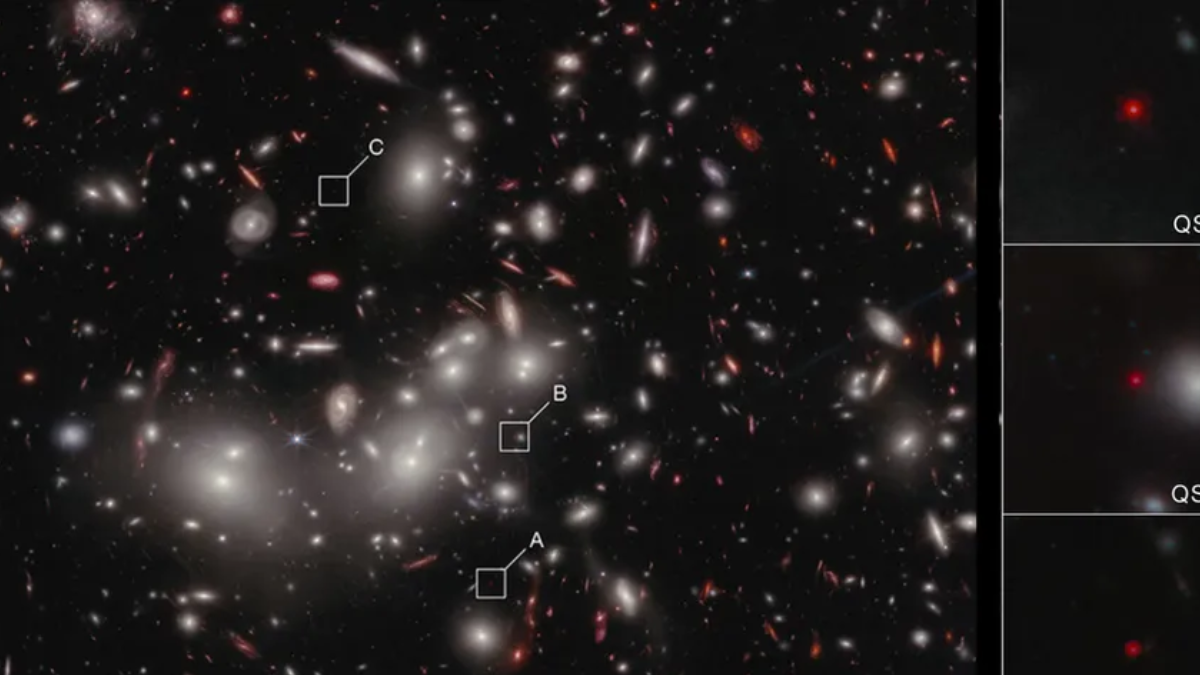
JWST has identified a supermassive black hole from the early universe that outweighs most of its own galaxy, suggesting black holes may form before galaxies themselves.
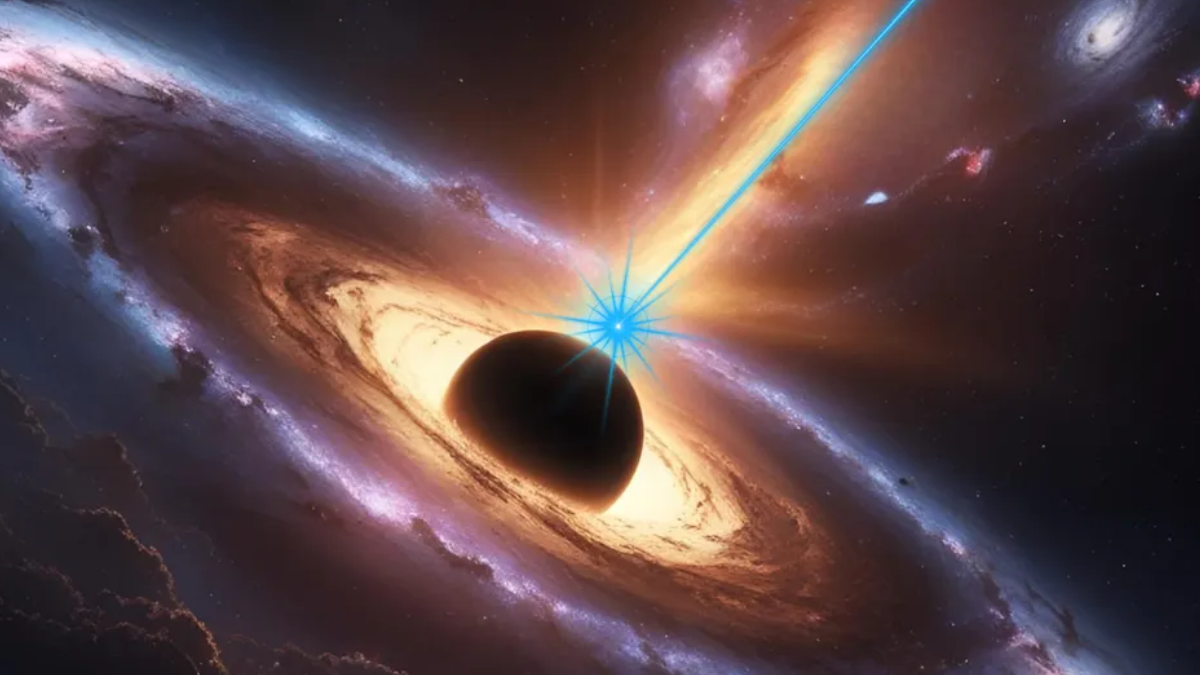
A 220 PeV neutrino detected beneath the Mediterranean Sea may have originated from a distant blazar. Simulations suggest these powerful black hole systems can generate ultra-high-energy ghost particles.
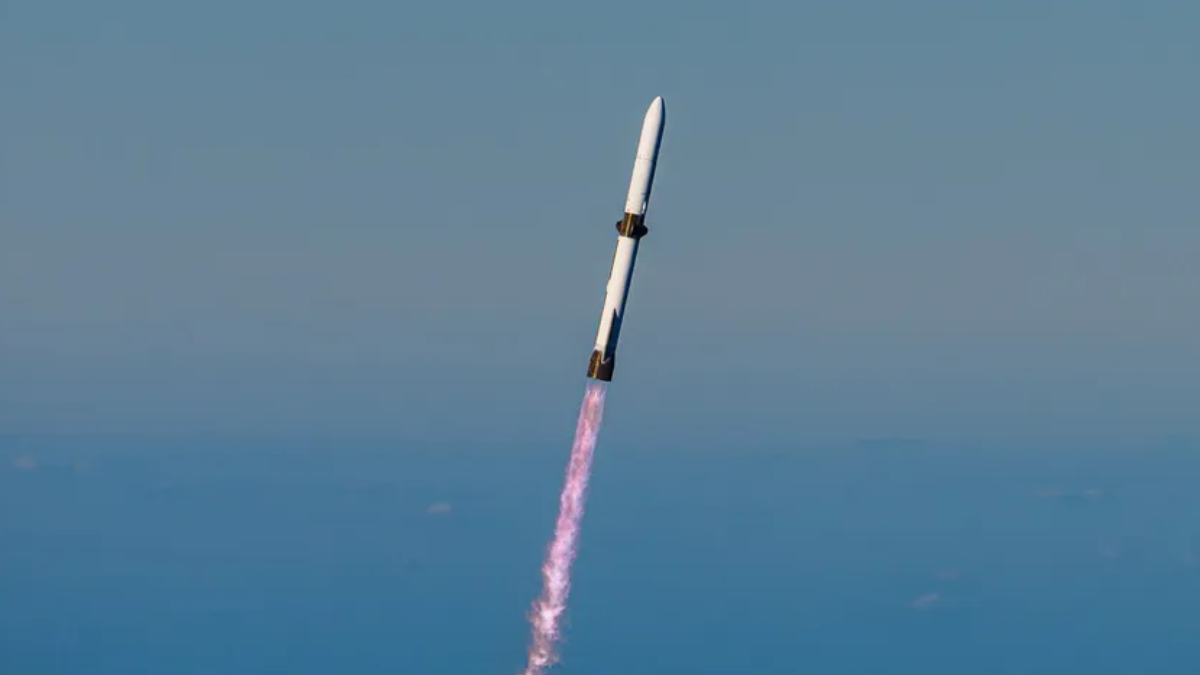
Blue Origin’s New Glenn rocket exploded during a hotfire test at Cape Canaveral on May 28, 2026. The loss could impact NASA’s Artemis Moon plans and future Amazon Kuiper satellite launches.
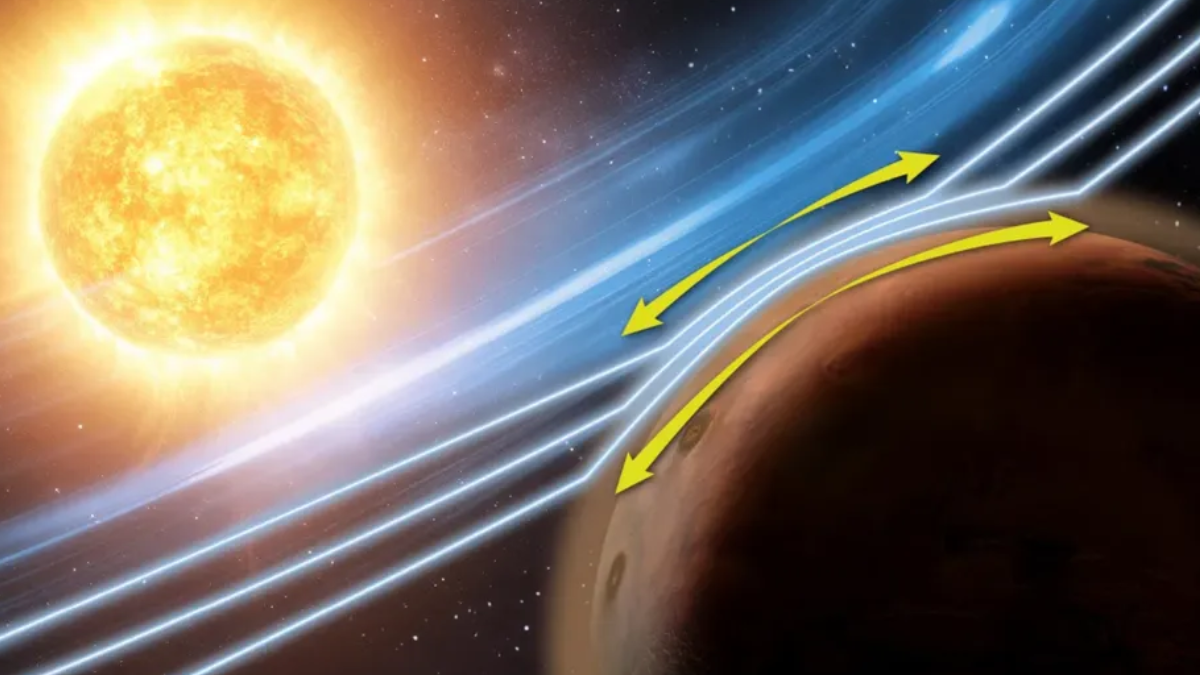
NASA’s MAVEN orbiter has detected the Zwan-Wolf effect on Mars for the first time. The discovery suggests solar wind interactions on unmagnetized worlds are more complex than scientists once believed.
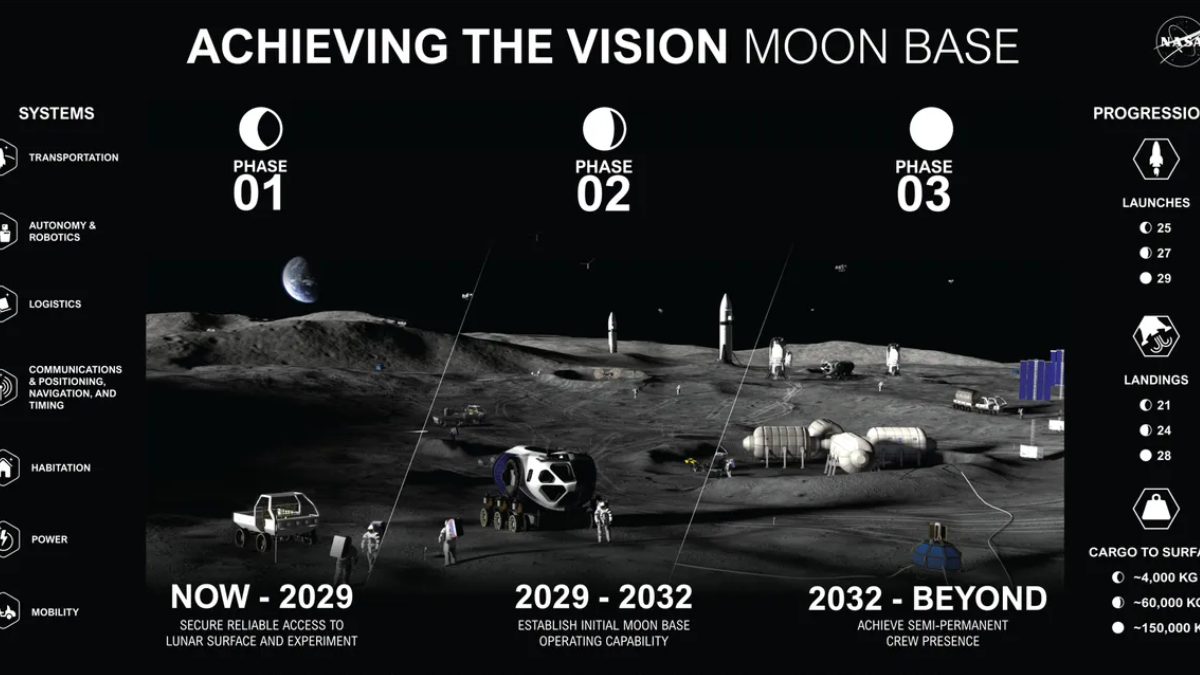
NASA plans to build a vast lunar base near the Moon’s south pole during the 2030s. Water ice, near-constant sunlight, drones, and advanced rovers could support long-term human settlement under the Artemis program.
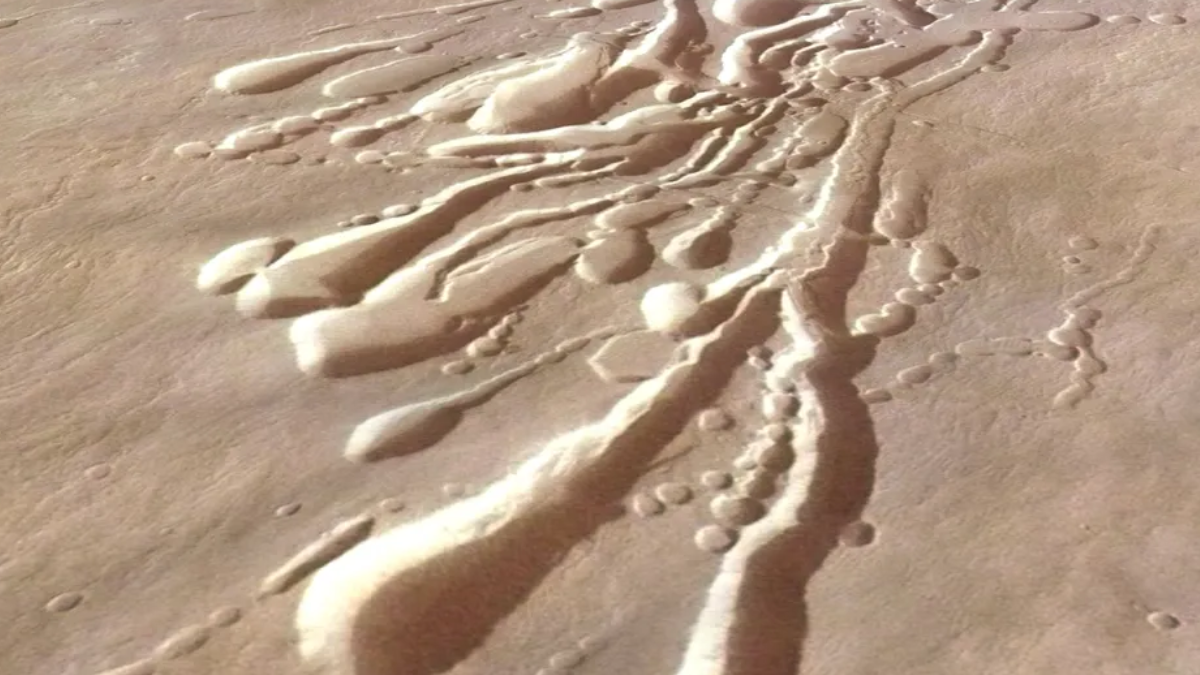
Scientists are developing biomimicry-inspired robots to explore enormous lava tubes beneath Mars. The underground caves could preserve signs of life and potentially shelter future human explorers from harsh Martian radiation.
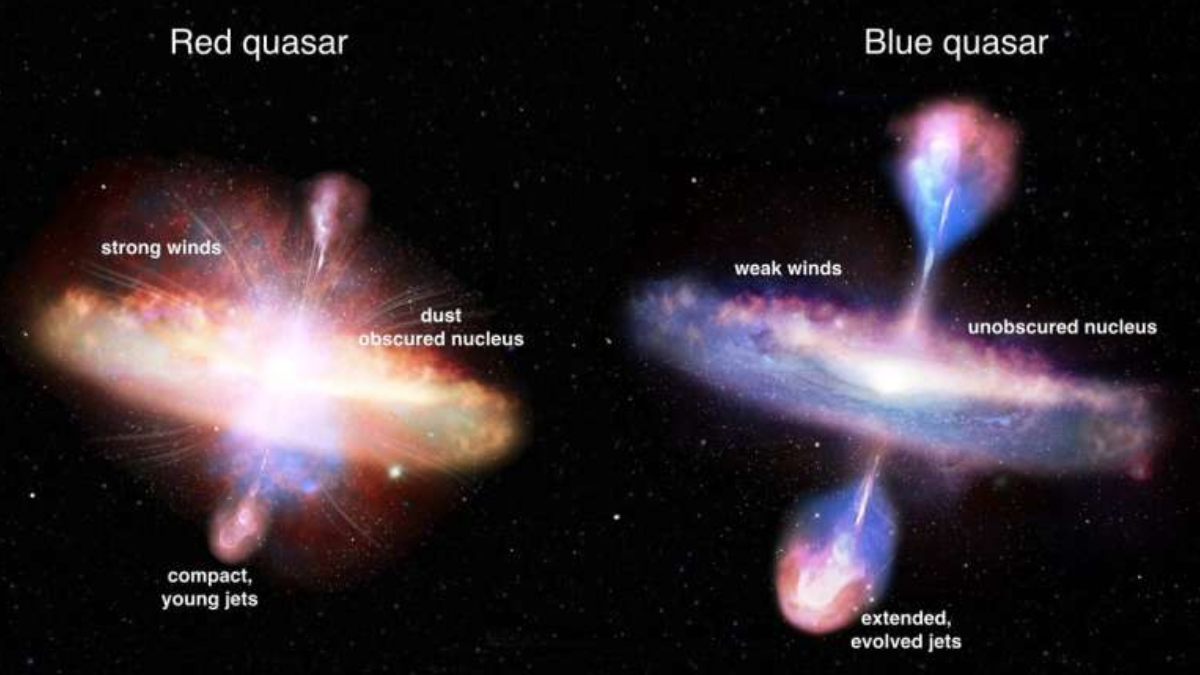
Scientists have discovered 77 rare red quasars hidden behind cosmic dust using NASA’s SPHEREx telescope. The findings support theories linking galaxy mergers to rapid black hole growth and galaxy evolution.
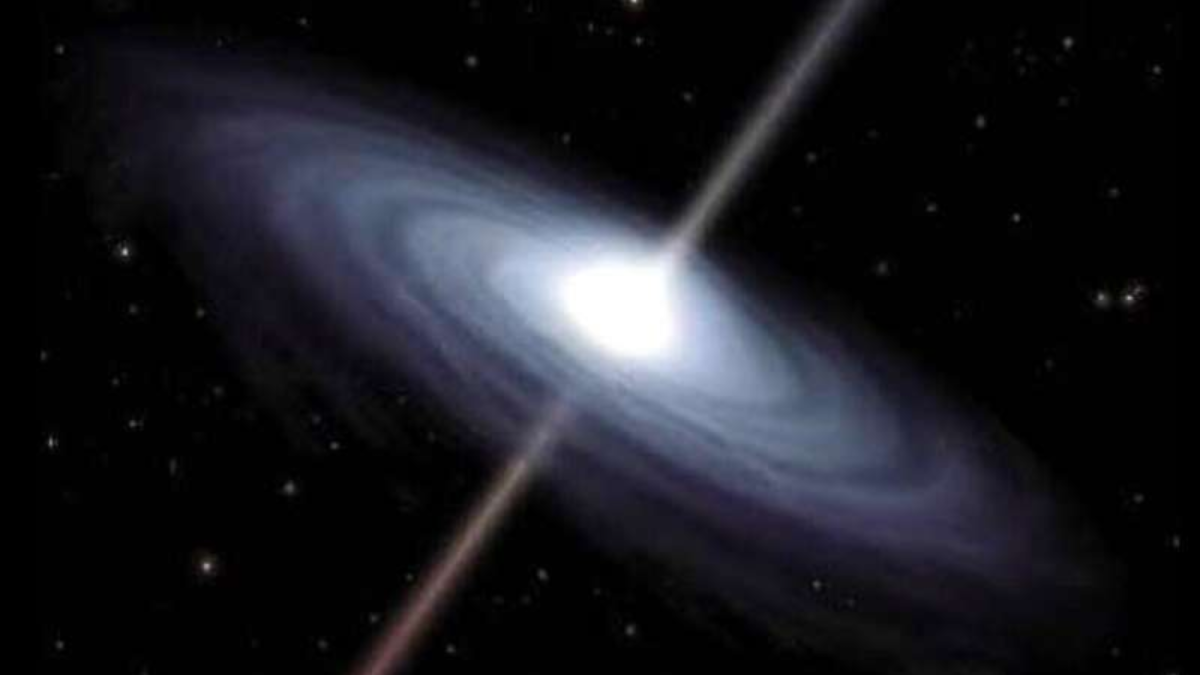
A new study suggests charged black holes may avoid singularities through quantum effects and Hawking radiation. The findings could reshape theories of gravity, space-time, and even the origins of dark matter.
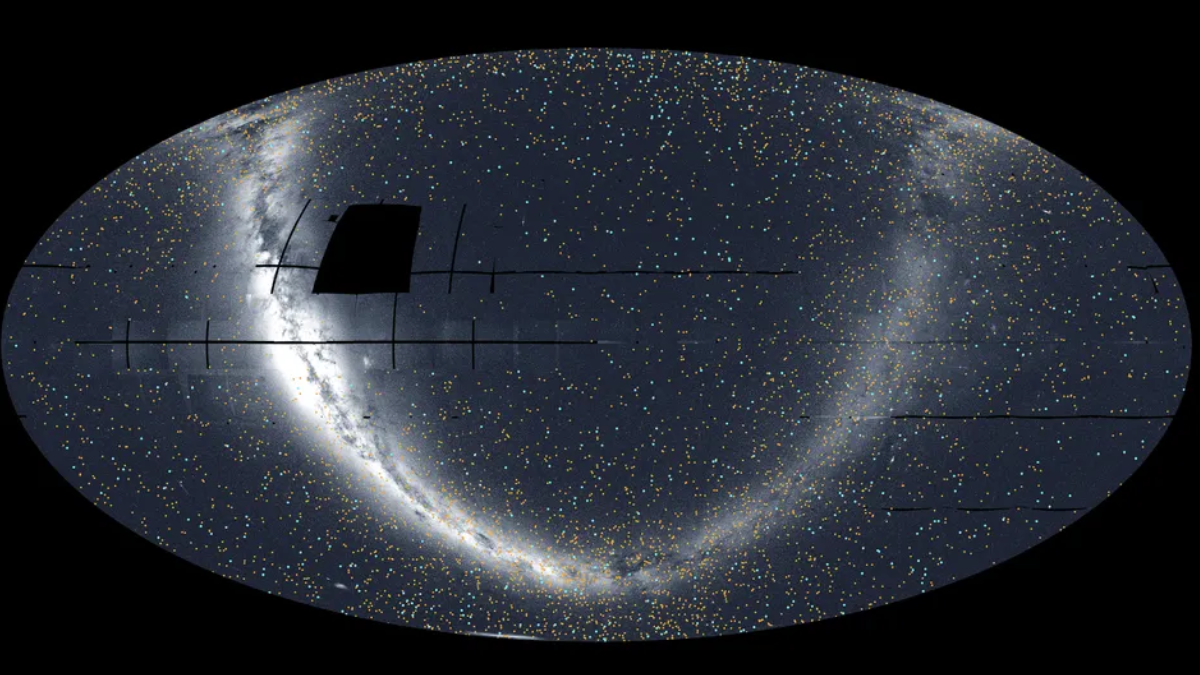
NASA’s TESS mission has created its most complete map of the night sky using eight years of observations. The mosaic includes nearly 6,000 known and candidate exoplanets and highlights the mission’s growing role in discovering distant worlds.
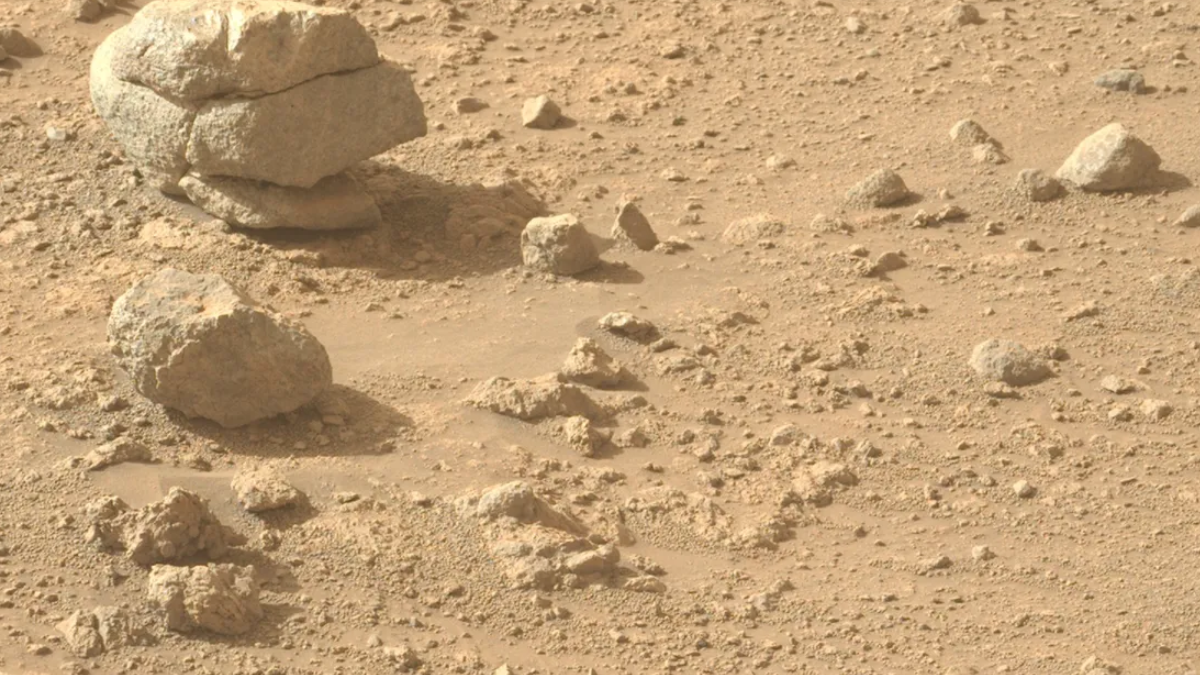
NASA’s Perseverance rover photographed a strange rock formation on Mars that appears to show three stacked rocks. Scientists believe wind and ancient water activity likely shaped the unusual structure over millions of years.
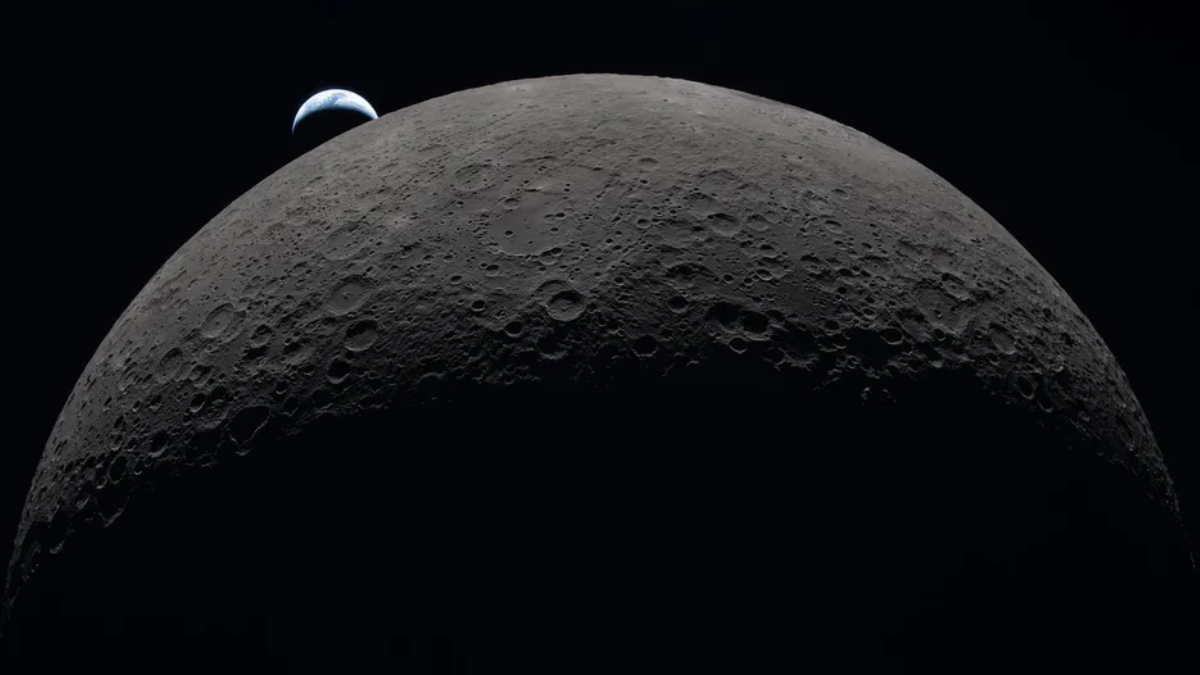
A new study has revealed a fuel-efficient path to the Moon using hidden gravitational corridors in space. The route saves propellant, lowers mission costs, and maintains continuous communication with Earth, potentially improving future lunar missions.
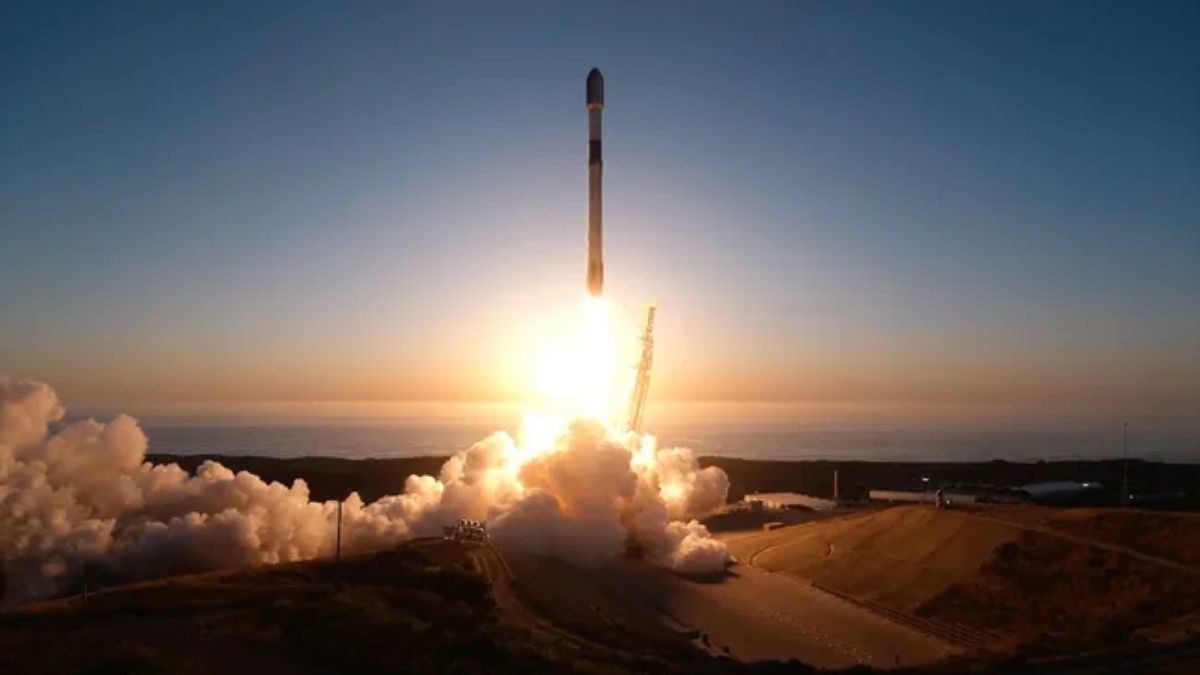
SpaceX launched 24 Starlink satellites aboard Falcon 9 from California on May 19, 2026. The mission featured the successful landing of booster B1103 and pushed the Starlink constellation close to 10,500 active satellites in low-Earth orbit.
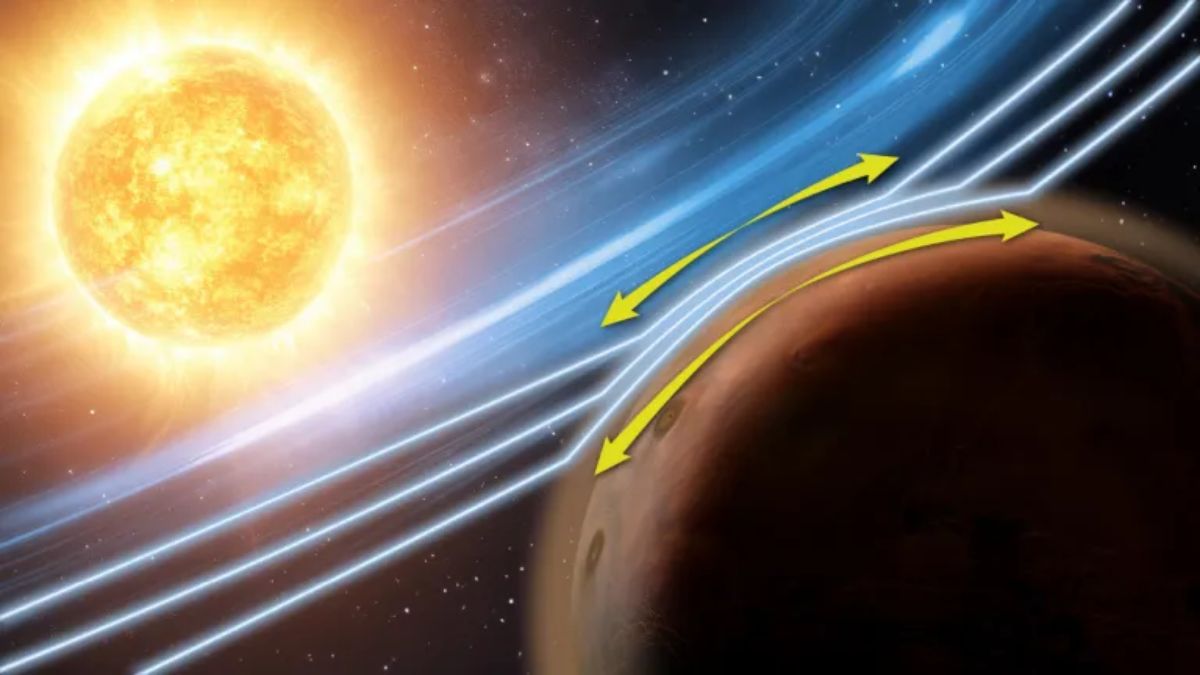
Researchers using NASA’s MAVEN observed unusual plasma structures during a major Solar Storm, revealing new details about how solar wind strips away the Martian atmosphere and reshapes the planet over time.
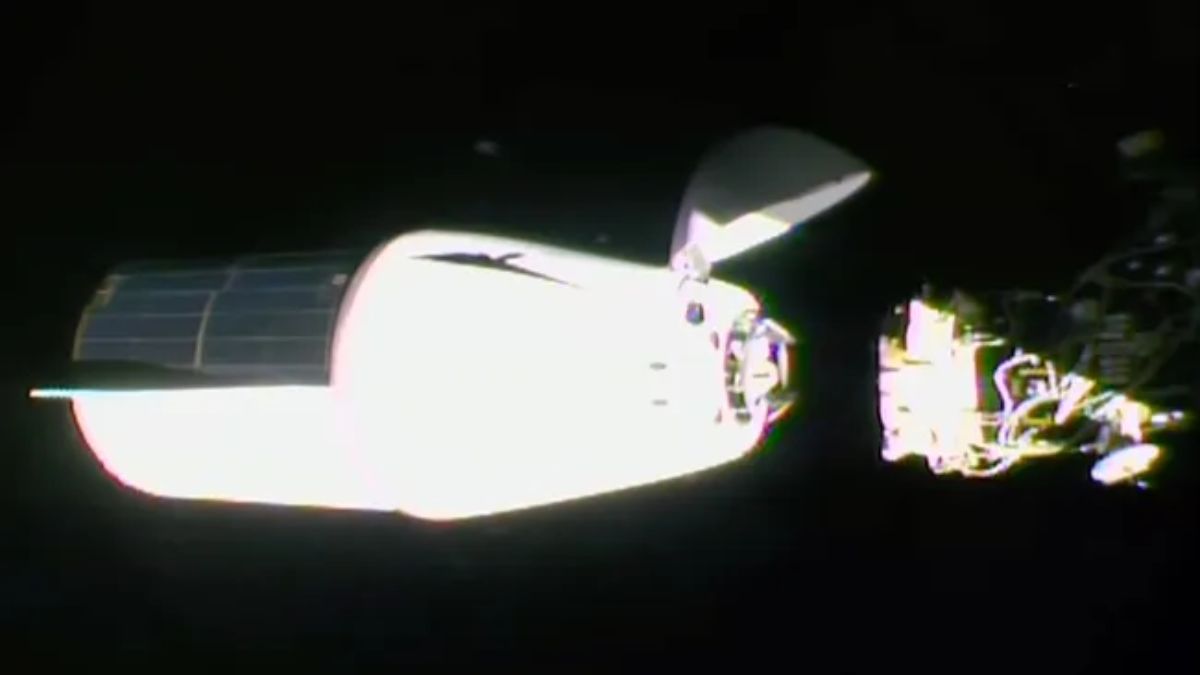
SpaceX successfully launched and docked its Dragon capsule at the International Space Station under NASA’s CRS-34 mission. The spacecraft delivered cargo, scientific equipment, and advanced research experiments focused on bone health, microgravity simulation, and charged particles around Earth. Astronauts aboard the ISS will unload and later return research materials to Earth.
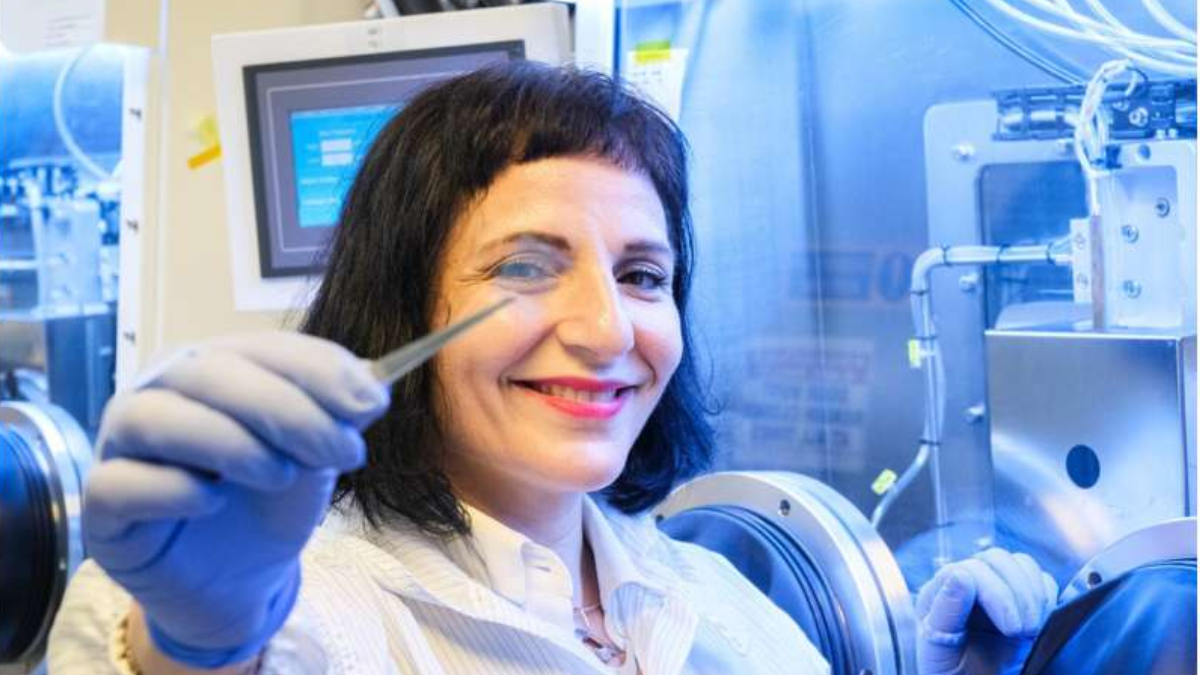
Researchers at Nanyang Technological University developed transparent Perovskite Solar Cells capable of generating electricity through glass surfaces. The ultra-thin technology could transform skyscrapers, vehicles, and wearable devices into clean energy sources.
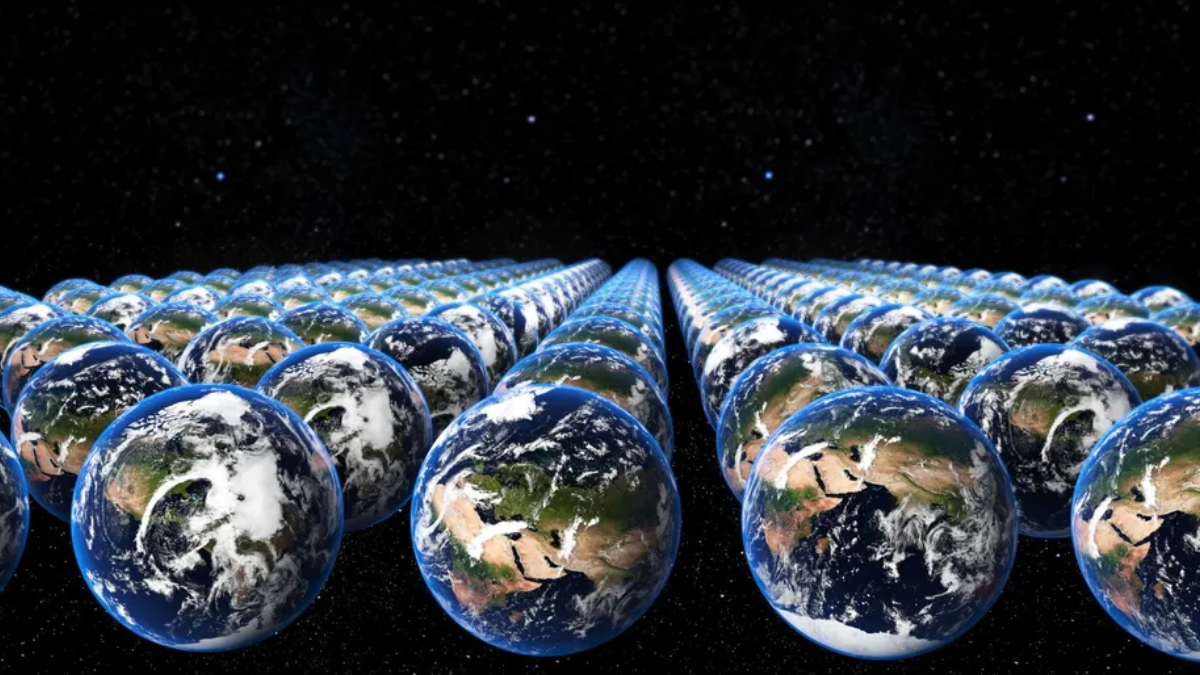
Researchers developed a new method to detect Life by studying how biological molecules are organized rather than simply identifying them. The approach could help missions like Europa Clipper search for microbial signatures on worlds such as Europa and Mars.
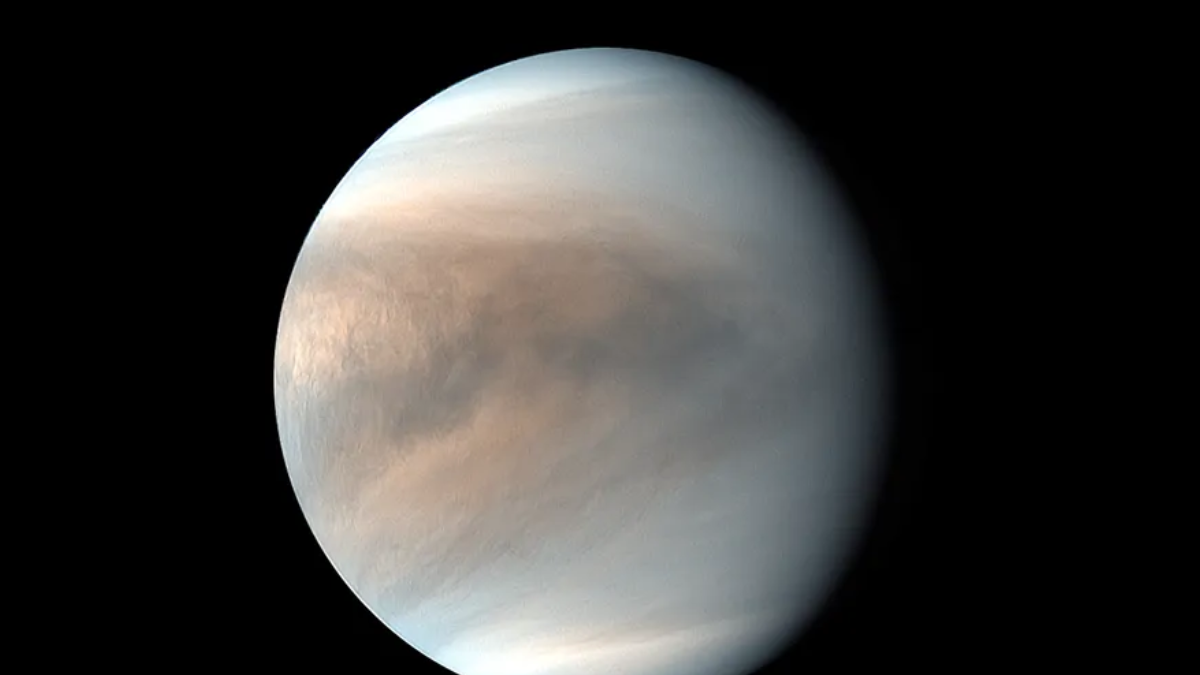
Scientists discovered that a giant atmospheric wave on Venus behaves like a hydraulic jump seen in kitchen sinks. The process may explain the planet’s enormous sulfuric acid cloud front and its unusually fast atmospheric super rotation.
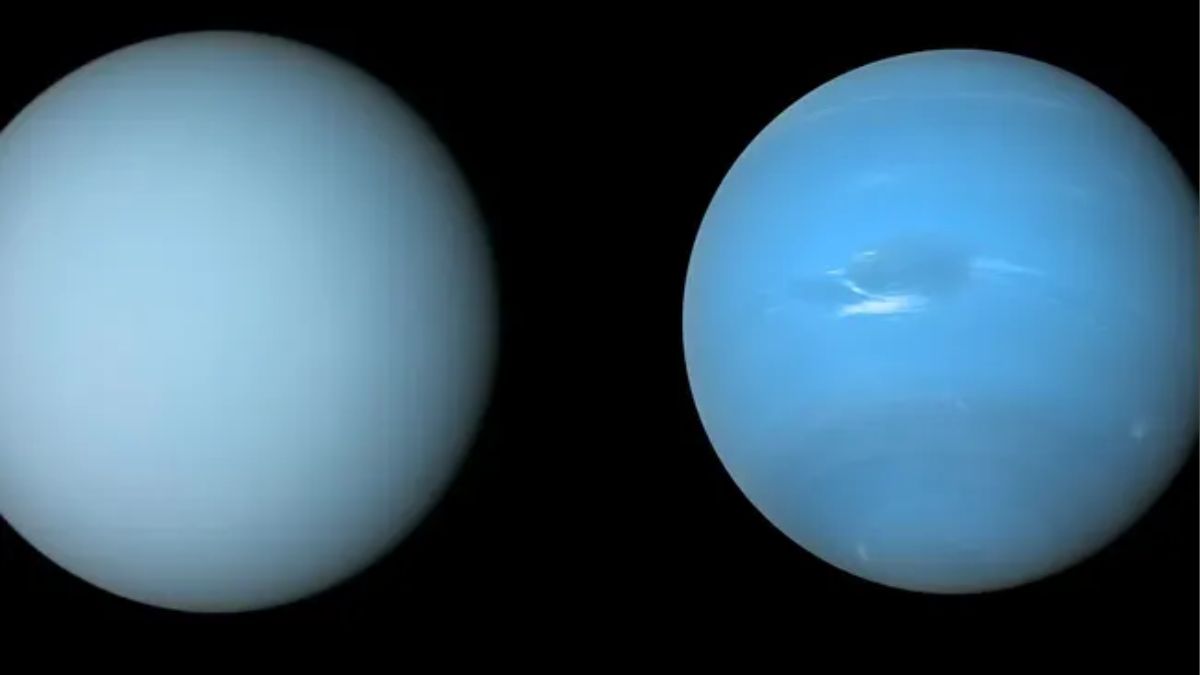
New models suggest Uranus and Neptune may contain significantly more rock than ice beneath their atmospheres. The findings challenge decades of planetary science and could lead to a reclassification of the outer planets.
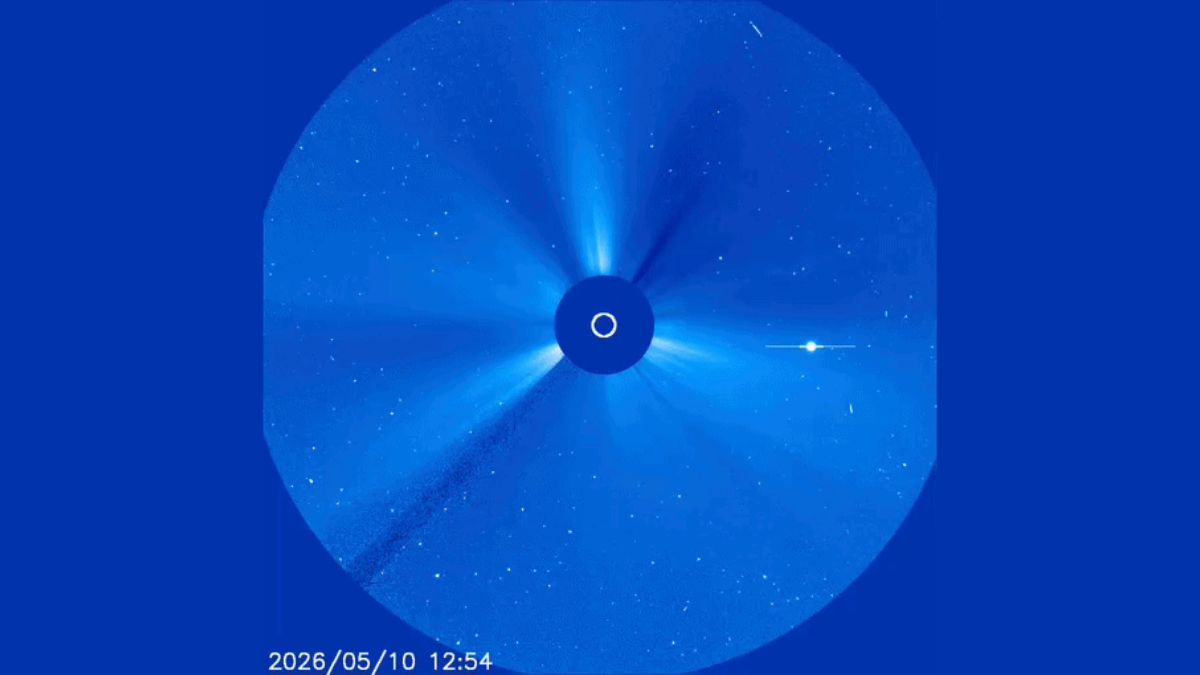
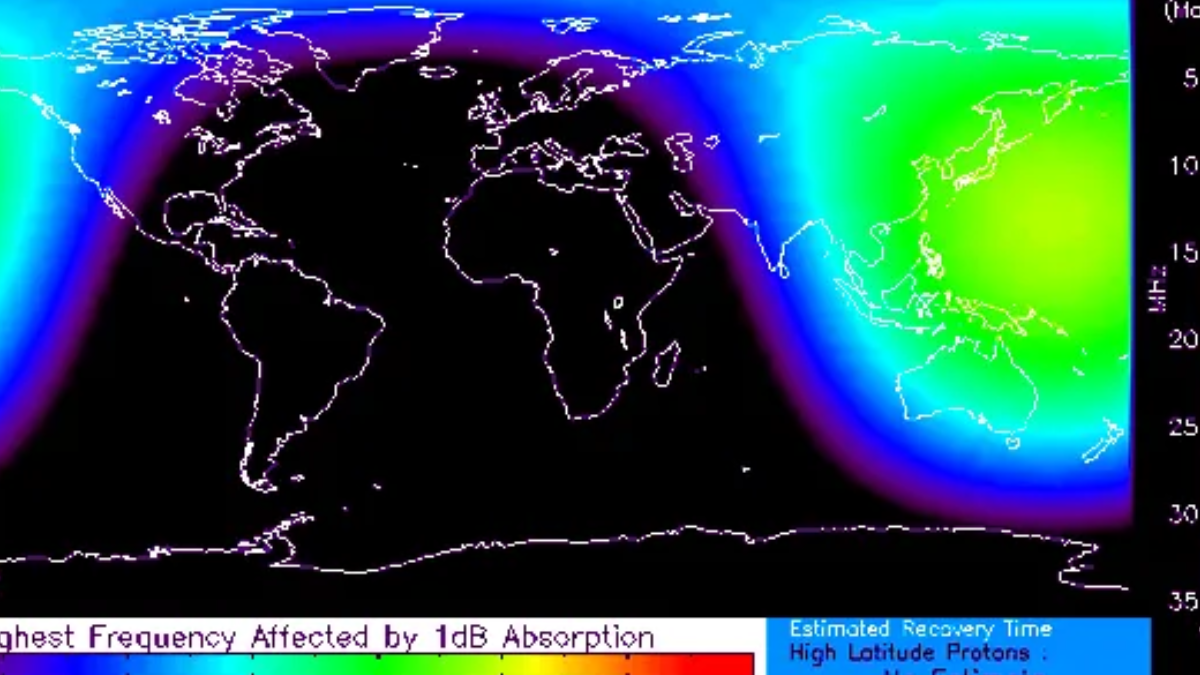
The Sun unleashed an M5.7-class Solar Flare on May 10, 2026, disrupting high-frequency radio communications and launching a coronal mass ejection toward Earth. Scientists predict the incoming plasma could trigger a minor geomagnetic storm and brighten auroras across northern regions. The event highlights the Sun’s increasing activity as it approaches the peak of its 11-year solar cycle this year.
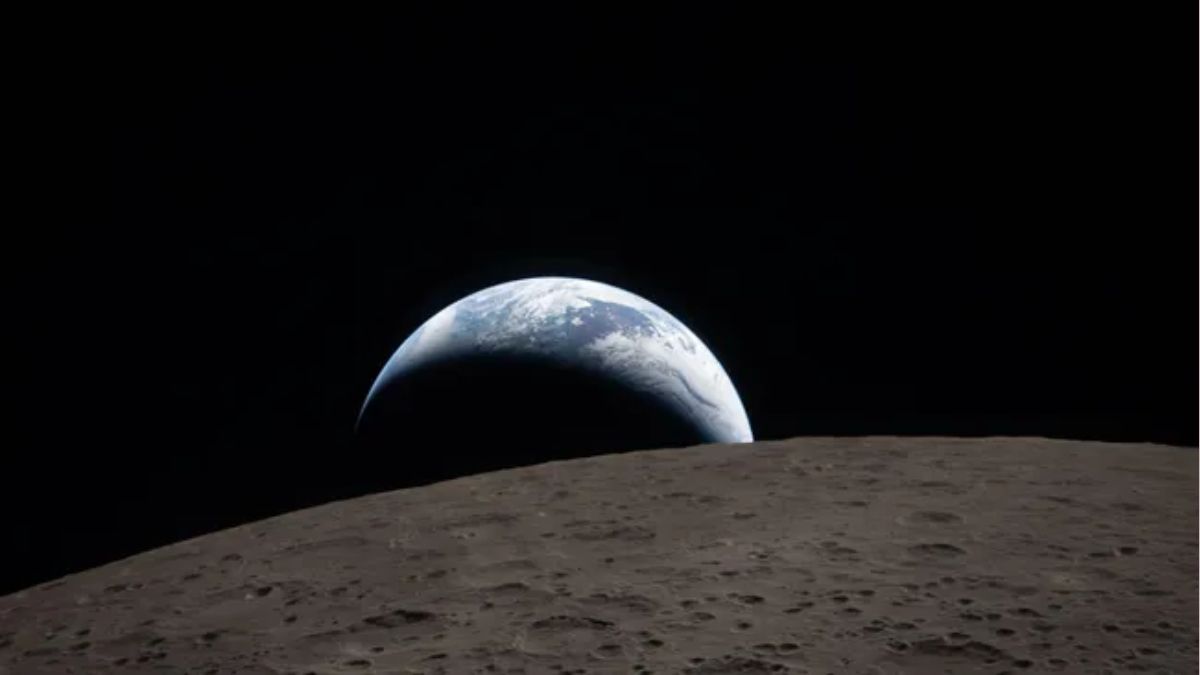
NASA’s Artemis II Mission delivered breathtaking new views of the Moon’s far side after astronauts captured over 12,000 images during their historic flyby. Astrophotographer Andrew McCarthy used image-stacking techniques to reveal subtle mineral-based color variations, helping scientists better understand the Moon’s geology, composition, and the ancient history hidden beneath its cratered highlands.

NASA’s Curiosity Rover became temporarily stuck after a drilled Martian rock called Atacama lodged onto its drill bit. Engineers spent six days using vibrations and robotic arm maneuvers before finally freeing the rover and resuming science operations.
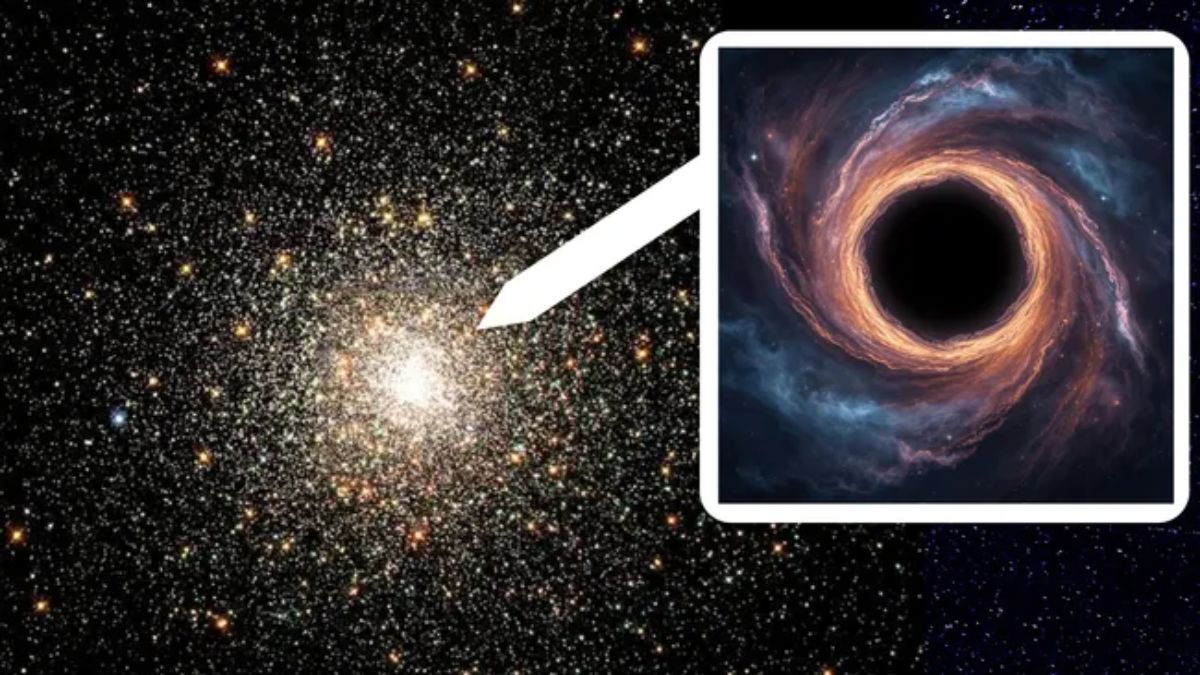
New gravitational-wave data from LIGO Scientific Collaboration, Virgo, and KAGRA suggests the largest Black Holes form through repeated mergers inside dense star clusters rather than directly from collapsing stars.
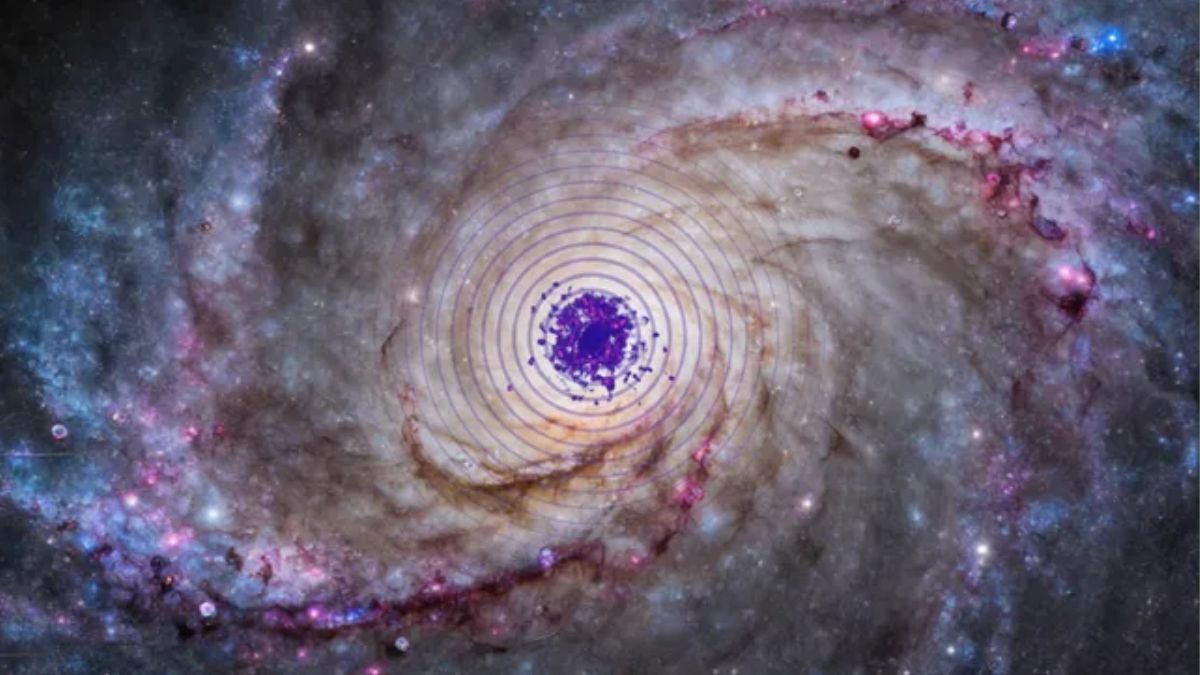
Scientists propose a self-interacting Dark Matter model in which particles collide and form dense cores. The theory could explain mysterious gravitational effects seen in galaxy lenses, stellar streams, and dwarf galaxies across the universe.
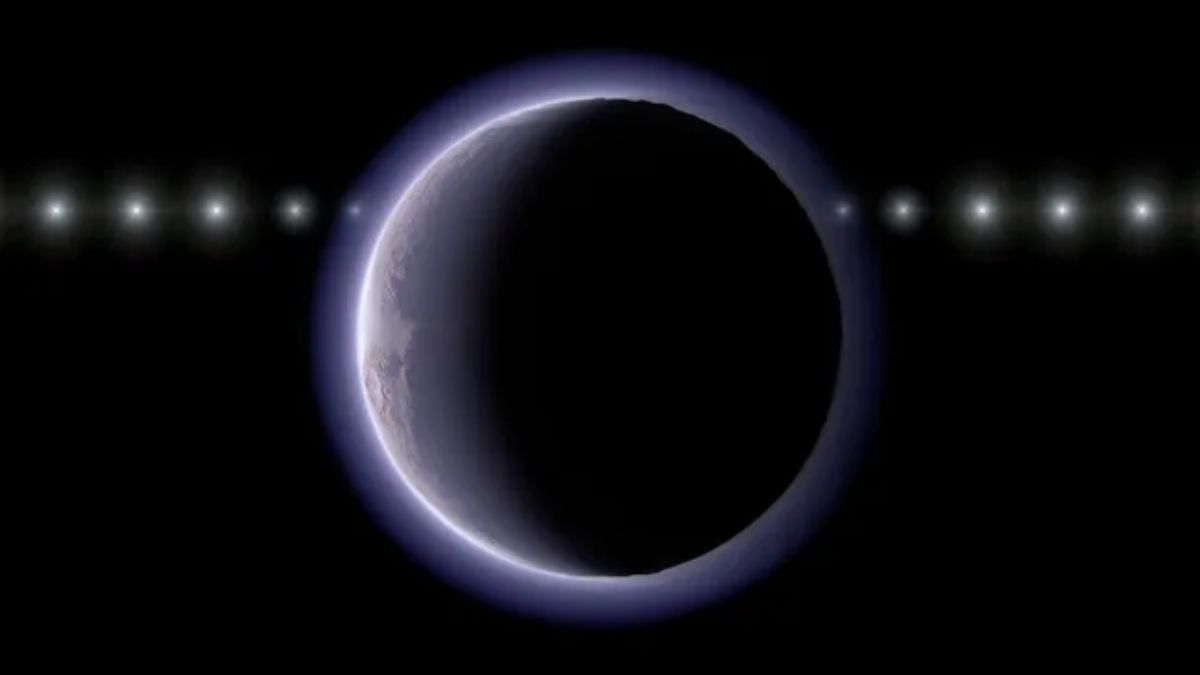
Astronomers discovered a faint atmosphere around (612533) 2002 XV93 using a stellar occultation. The finding challenges current theories, as such small, cold bodies should not retain gas, hinting at recent activity like impacts or ice volcanism.

Using James Webb Space Telescope, astronomers directly measured heat from LHS 3844 b, revealing a dark, rocky surface with no atmosphere—more like Mercury than Earth—marking a breakthrough in studying exoplanet geology.
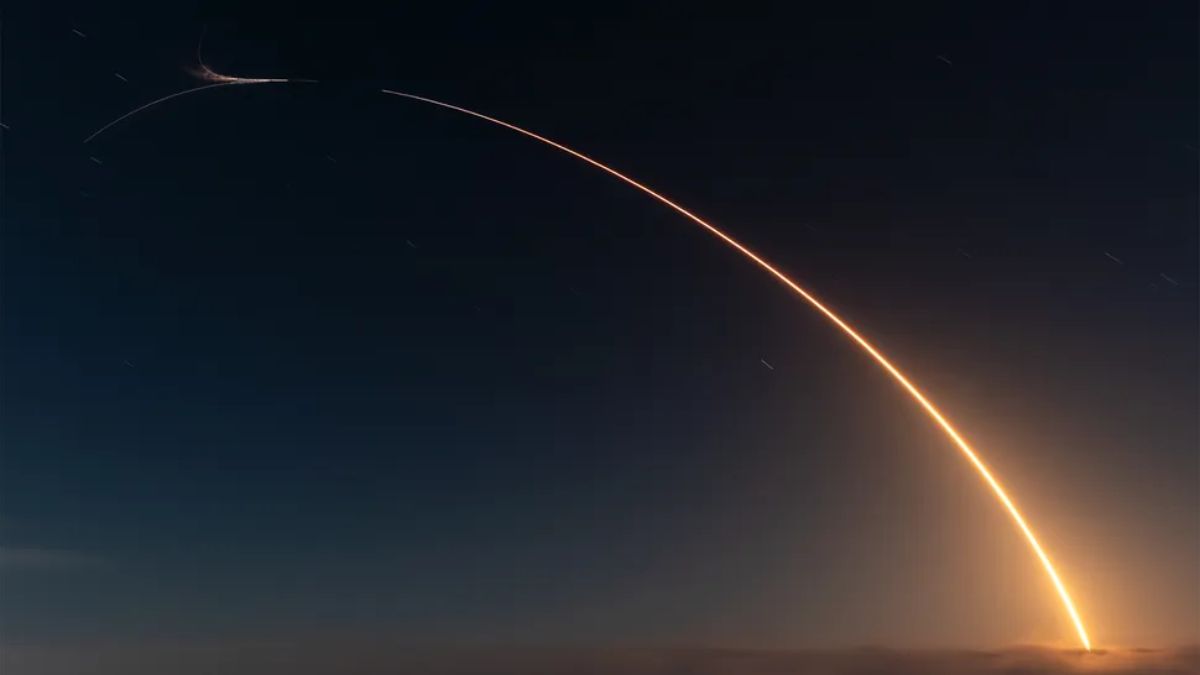
Falcon 9 launched 45 satellites, including South Korea’s CAS500-2 Earth observation mission. The rideshare highlights global collaboration, delayed launches due to geopolitics, and the growing demand for high-resolution imaging and commercial satellite deployment.
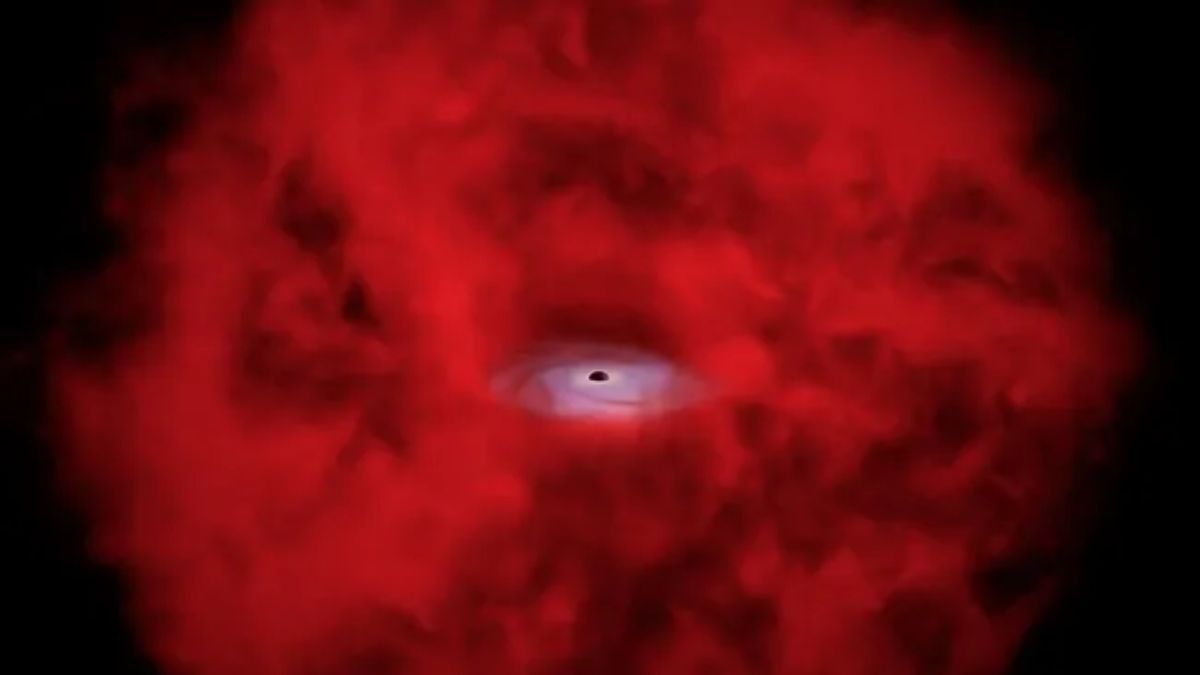
These Tiny Red Objects Could Be How Black Holes Are Born
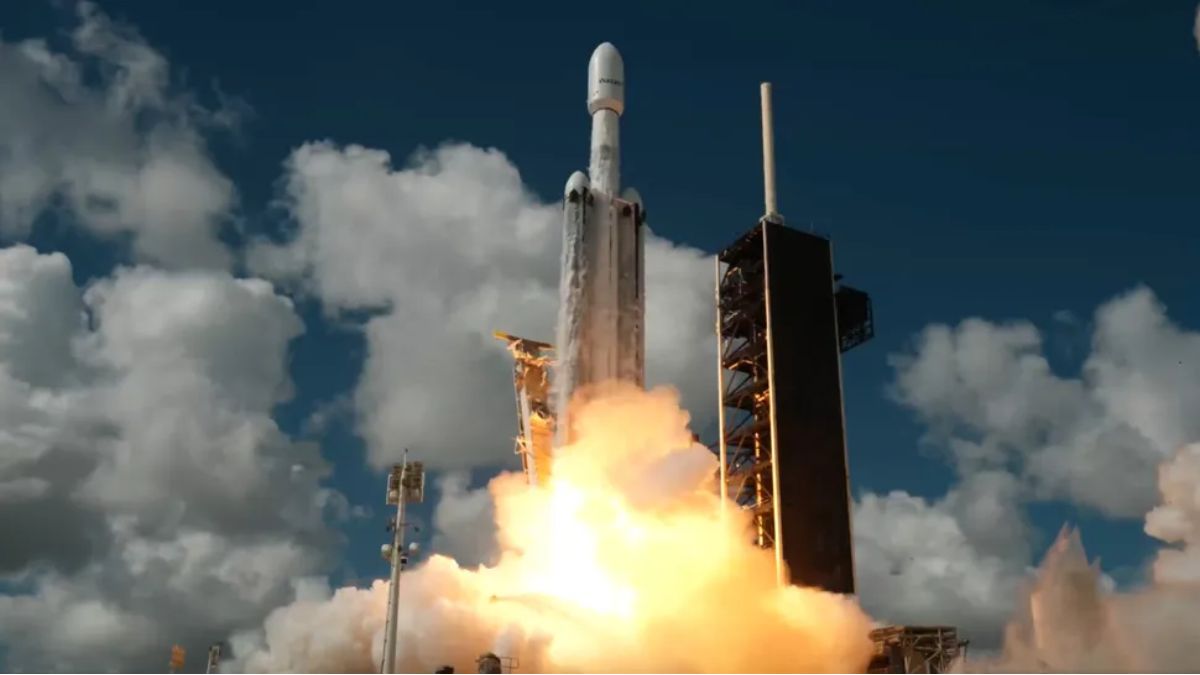
Falcon Heavy Is Back—and It Just Launched a Mega Internet Satellite
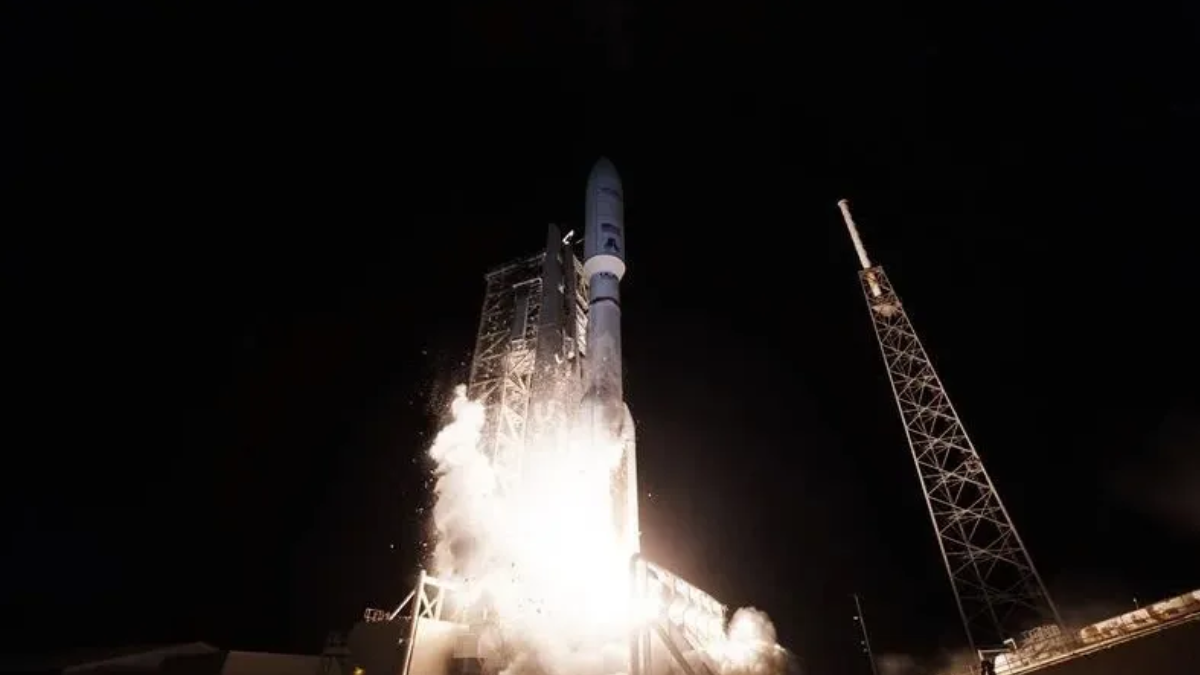
An Atlas V rocket has successfully launched 29 satellites for Project Kuiper, marking its return to flight after nearly three years. The mission matched the rocket’s payload record and expanded the growing broadband constellation. The satellites will raise their orbits to operational altitude, helping deliver global internet coverage and improving connectivity in remote and underserved regions worldwide as the company continues deploying more satellites to build a competitive space-based communications network in the coming years.
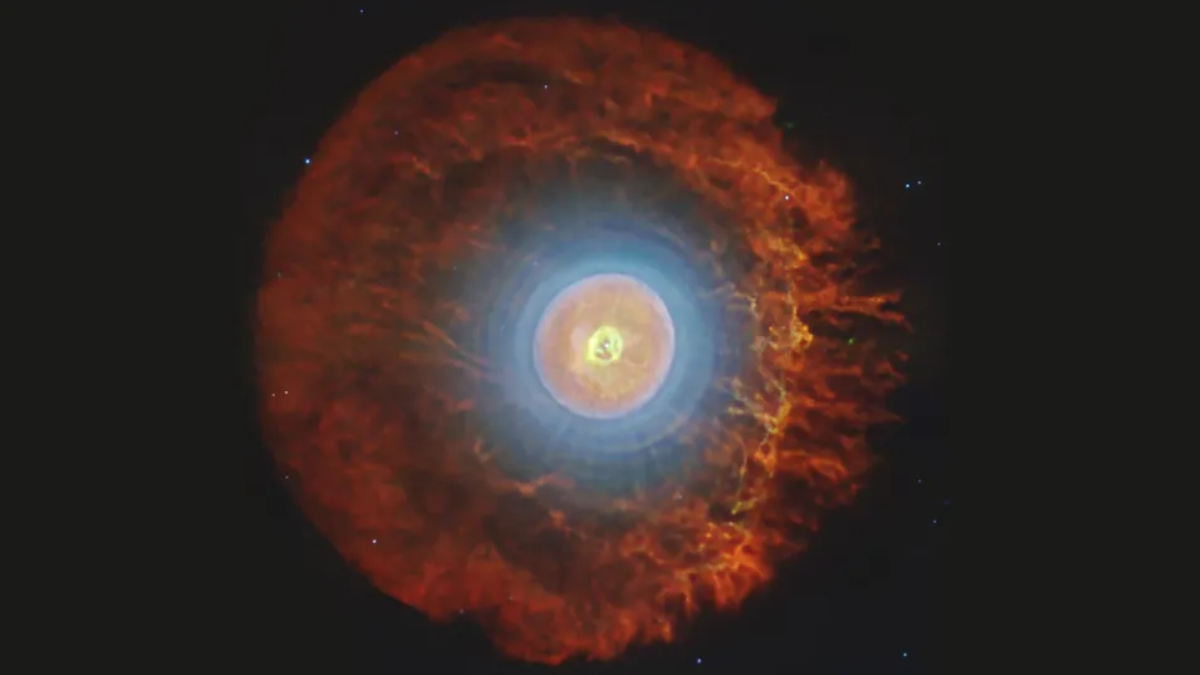
Using the James Webb Space Telescope, astronomers have mapped buckyballs in a distant nebula. These complex carbon molecules, arranged in a shell, could offer clues to the chemistry that underpins life in the universe.
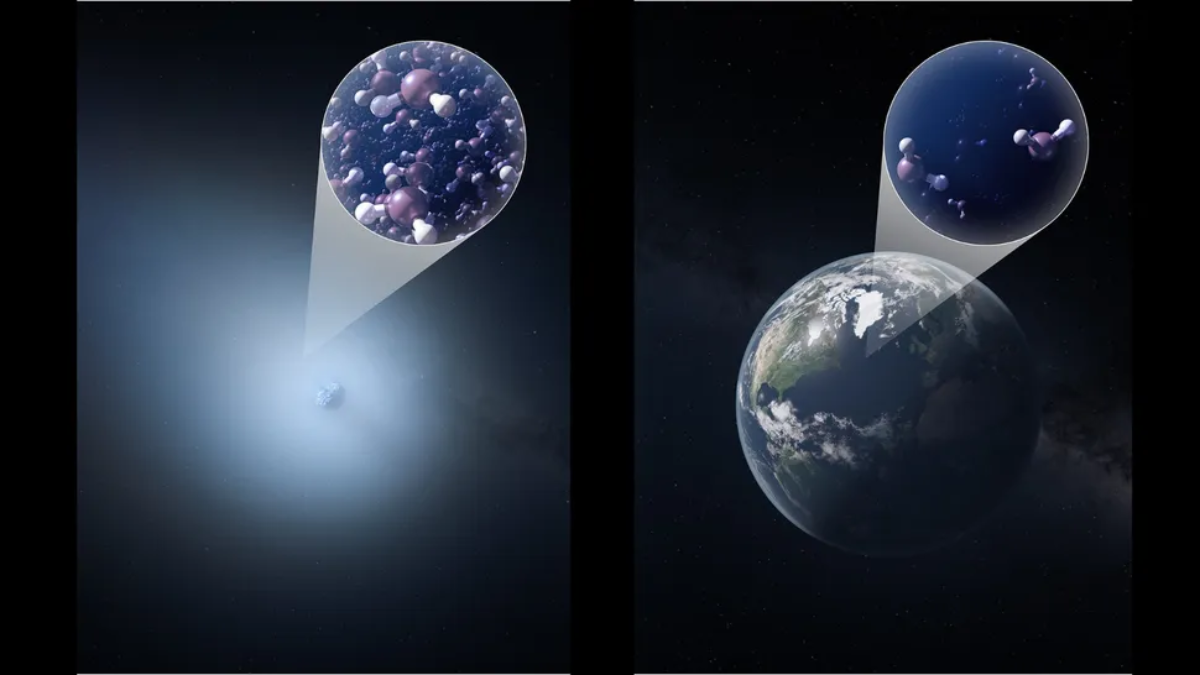
Observations of 3I/ATLAS reveal high levels of heavy water, suggesting it formed in an extremely cold star system. The discovery offers new insights into how planets form beyond our solar system.
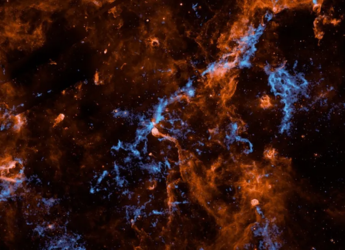
SPHEREx has mapped vast ice deposits in Cygnus X, revealing how water and life-forming chemicals may be preserved and delivered to newly forming planets.