OpenAI might have turned its fortunes this week. As per multiple reports, the company CEO Sam Altman had announced a “code red” in December 2025, asking all employees to focus on improving ChatGPT and related products, while putting everything else on hold. The concentrated effort led to the release of GPT-5.2, adjustable personality traits in ChatGPT, new healthcare features, and a new artificial intelligence (AI) model for Codex.

Spotify has brought its music, podcast and audiobook services to Meta’s Muse personal AI agent through a new integration. After connecting their accounts, users can search for content, control playback, manage their Library and create playlists using conversational commands. Muse can also generate Personal Podcasts from users’ notes and briefings. The integration supports scheduled playback based on activities and calendar events, while Spotify has outlined a road-trip feature that can create a destination-based playlist and arrange its automatic playback.

OpenAI and Anthropic launched new cost-efficient artificial intelligence models. The move comes as demand for lower-cost AI services continues to grow. OpenAI has expanded its GPT-6 lineup with GPT-6 Sol and GPT-6 Luna, while Anthropic launched Claude Opus 5.5 as part of its Claude 5.5 model family. The AI companies are facing increasing competition from lower-cost open-weight models.
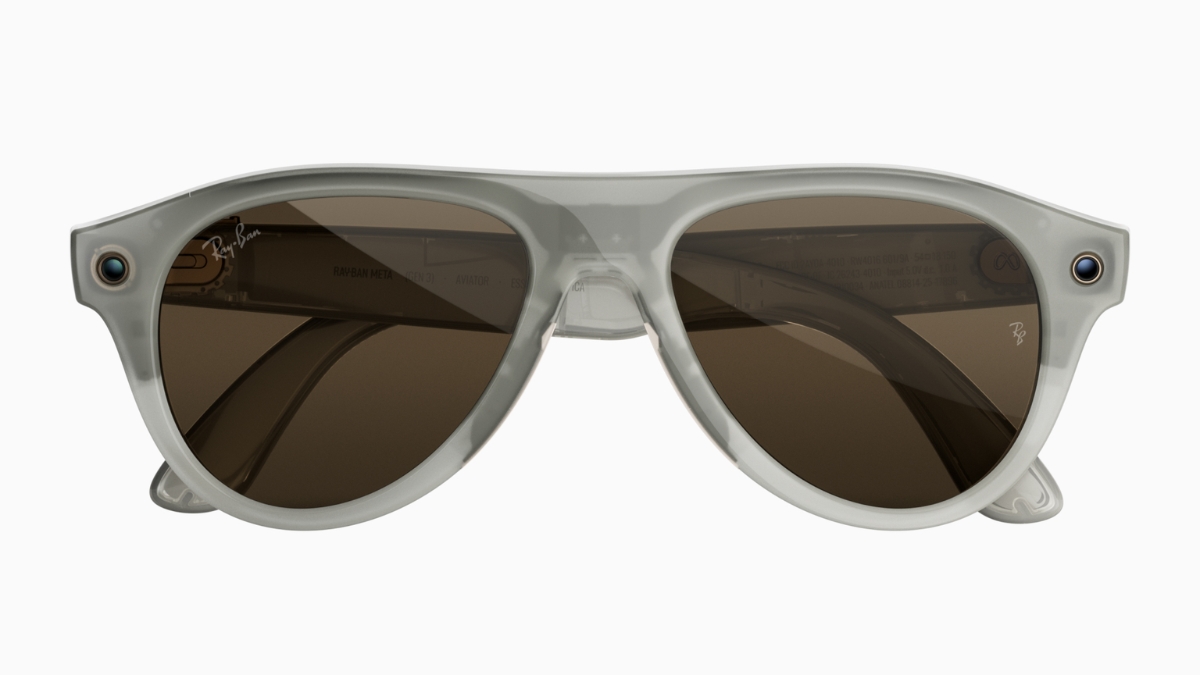
Meta Platforms kicked off Meta Connect, its annual multi-day conference, on Wednesday. The company expanded its AI wearables lineup by introducing Ray-Ban Meta Gen 3 and Meta VR Glasses. While there is no word on the India availability of the VR glasses, Meta is bringing its third-generation Ray-Ban Meta Glasses to India. The new generation expands the lineup with additional frame styles, including the Aviator and Zena, alongside the familiar Wayfarer. The Ray-Ban Meta Gen 3 Glasses bring improvements across battery life, audio capture, camera capabilities, and design.
Google on Wednesday announced the expansion of the apps within Gemini’s Connect Apps ecosystem. The Mountain View-based tech giant has introduced a new set of third-party services that can be directly accessed within the AI chatbot. Google says its latest additions span categories such as Productivity, creativity, and lifestyle. They allow users to manage projects, create visual assets, build websites, search for homes, plan workouts, and find event tickets without constantly switching between apps.

Meta unveiled several new products and updates at Connect 2026, expanding its AI glasses and virtual reality ecosystem. Ray-Ban Meta Audio introduces open-ear audio, while the third-generation Ray-Ban Meta brings a slimmer design and upgraded camera. Meta also detailed new frame options and AI features, including hearing enhancement and Muse integration. Its 100-gram Meta VR Glasses are set to launch in 2027 with 5K visuals, 3D entertainment and immersive sports support. The event also included a major Beat Saber update and new VR games.
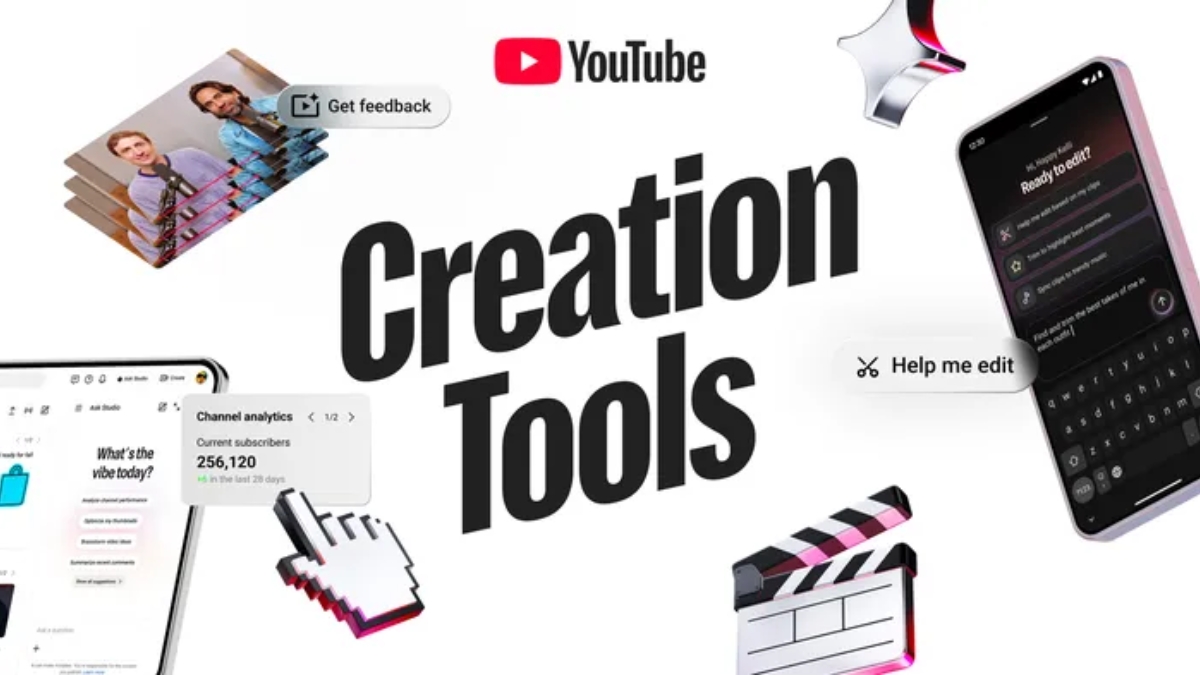
YouTube on Wednesday expanded its creator-focused toolkit with a range of new features. At the Made on YouTube event, the company announced a series of updates to support the entire video-making process, from finding ideas and editing footage to managing comments and protecting creators’ identities. There are new AI-powered capabilities across YouTube Studio, Shorts, and the YouTube Create app. The platform is also adding shopping-focused functionality to its Ask YouTube conversational search feature, while Shorts is getting a new series format.
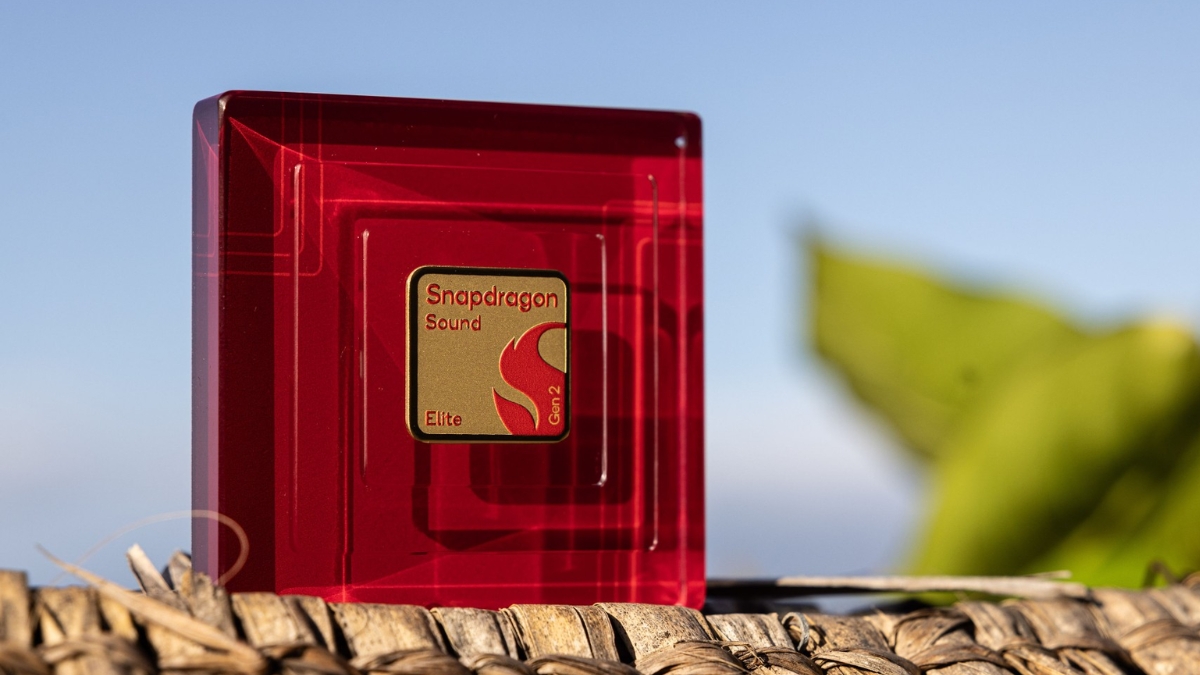
Qualcomm announced the Snapdragon Sound Elite Gen 2 platform at Snapdragon Summit 2026 on Thursday. The new chip is designed to provide expanded on-device intelligence for the next generation of audio wearables. Qualcomm says its new platform offers Snapdragon Sound technologies, combined with on-device AI, micro-power Wi-Fi 6E, and cloud-connected intelligence. It is designed to support a wider range of devices, including earbuds, headphones, open-ear audio products, audio glasses, and camera-enabled earbuds.
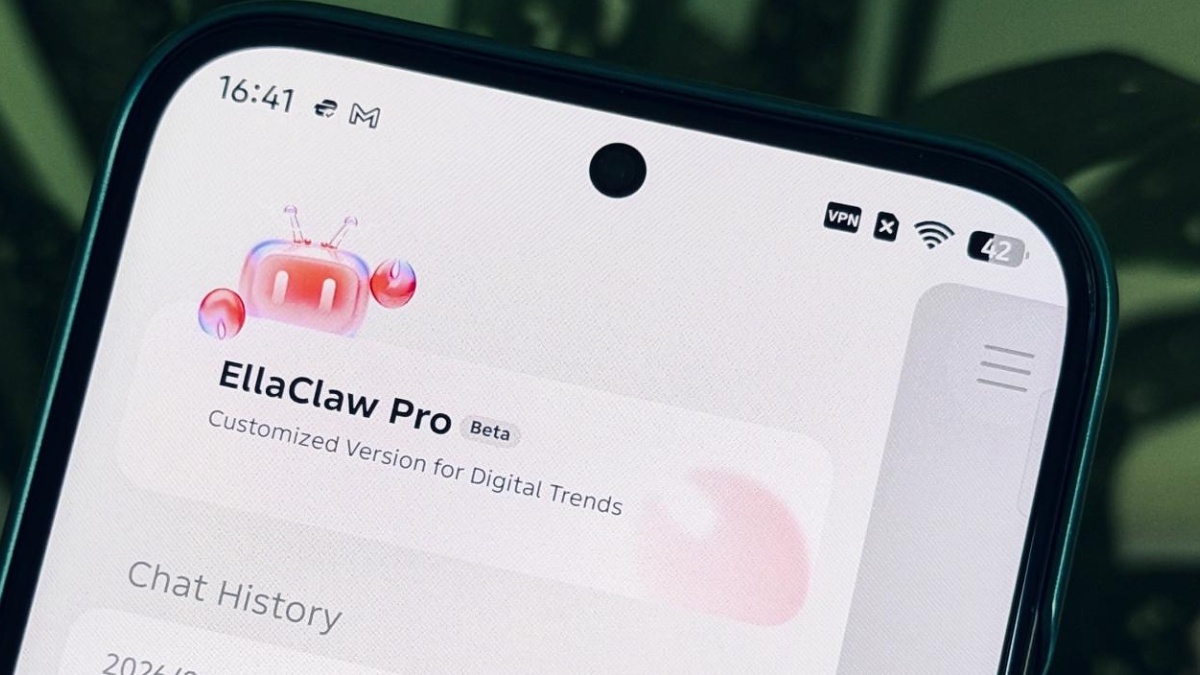
Tecno has worked with Digital Trends to explore how its EllaClaw AI agent could fit into professional content workflows. The collaboration includes tools that can gather information from selected sources, organise research into usable material and adapt generated content based on a user's previous writing. EllaClaw can also assess content for platform-specific publishing concerns. The workflows are designed for content professionals, while users retain the ability to review, modify and approve AI-generated material before anything is published.
OpenAI has introduced GPT-6 Sol and GPT-6 Luna as lower-cost additions to its latest model family. The new models are available through ChatGPT Work, Codex and the API, with Luna also accessible to Free and Go users through the desktop app. Their API pricing is 50 percent lower than the promotional rates of their GPT-5.6 counterparts. OpenAI says Sol and Luna improve results across professional tasks, coding and computer use, while also reducing errors and producing clearer responses with less jargon.
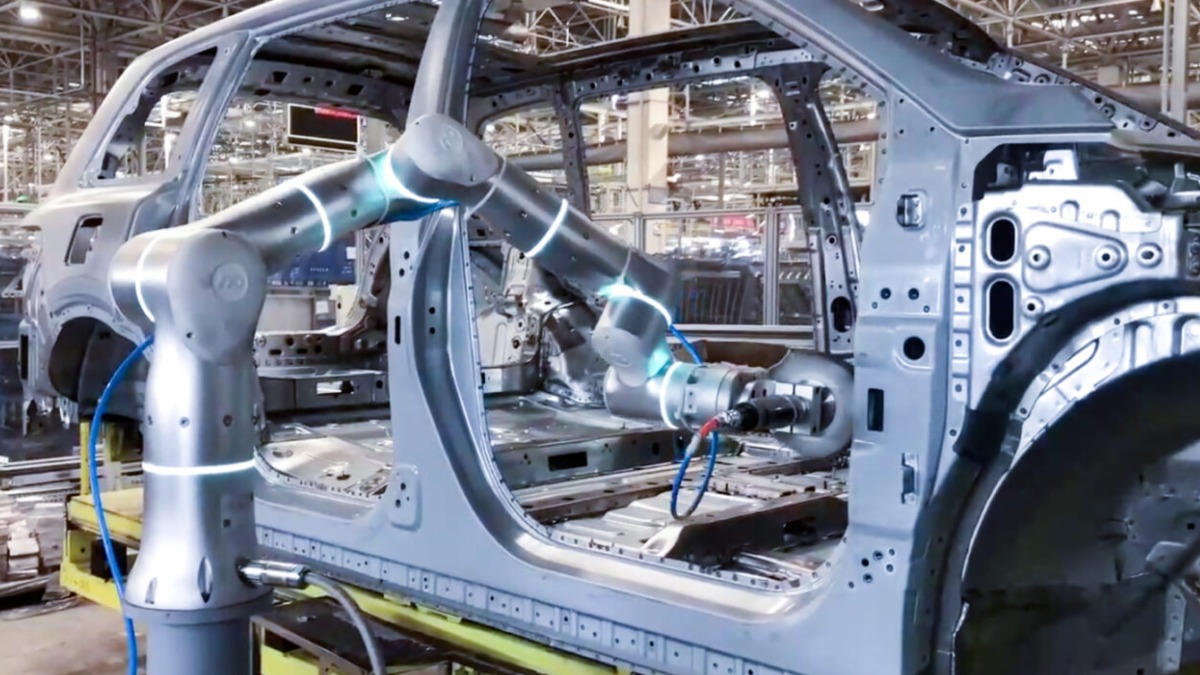
Nvidia's Isaac ROS 5.0 brings AI agents into open-source robotics development through reusable skills and agent-ready documentation. The release includes tools for robot setup, manipulation and model customisation, along with new capabilities for FoundationStereo and FoundationPose. Nvidia has also added support for ROS Lyrical and Ubuntu 24.04, plus a standard data-handling interface for different computing hardware. The latest version supports Nvidia's Jetson Orin Nano and Jetson Thor platforms, allowing developers to take robotics applications from development to deployment.

Unlike regular smart glasses, Viture’s Vonder smart glasses are focused on privacy and comfort. The glasses have no cameras, displays or even always-on recording. Vonder takes a more privacy-focused approach, letting users record audio only when needed.
Anthropic has officially announced Claude Opus 5.5. The new model, available starting September 22, is claimed to reduce overall operational costs by 40 percent compared to its predecessor. The company says Opus 5.5 completed a software migration involving around 6,80,000 lines of code in less than a day during a test. Claude Opus 5.5 is claimed to operate at up to 2.5 times the speed in fast mode and needs substantially fewer tokens to complete complex tasks.
ChatGPT has started rolling out a new Privacy Center. The new option shows what various privacy controls do and provides direct links to manage them within ChatGPT. The Privacy Centre organises related features into three categories. Select a category. Privacy Center is rolling out to signed-in ChatGPT Free, Go, Plus, Pro, and Business users on the web and in the ChatGPT apps for iOS and Android. This rollout does not include ChatGPT Enterprise, Edu, or ChatGPT for Healthcare.
MediaTek Dimensity CX C10 Max was launched on Tuesday as the first processor under the Taiwan-based chipmaker’s Dimensity Compute Experiences (CX) family. It is a flagship computing platform aimed at premium, ultra-portable Googlebook devices. The processor is fabricated on a 3nm process and features an octa-core CPU, an 11-core GPU, and MediaTek’s NPU 890. MediaTek claims the CX C10 Max supports fanless designs with all-day battery life, while the built-in AI engine can power Gemini Intelligence and on-device agentic AI workloads.
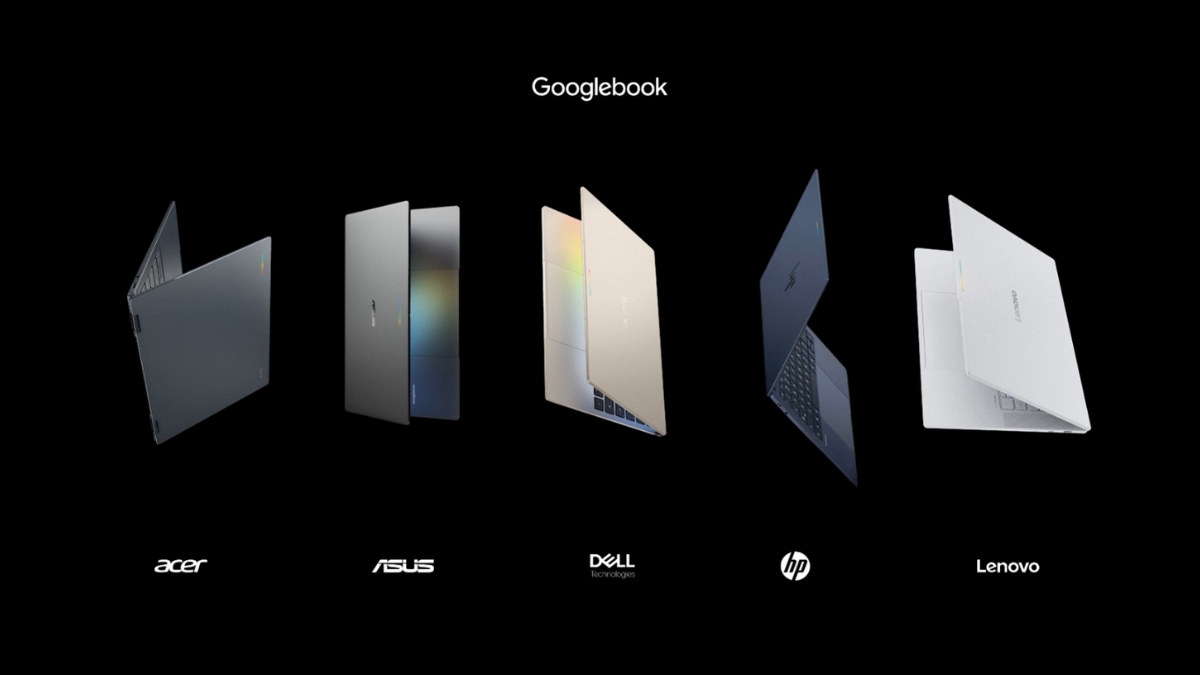
Google on Monday announced Googlebook as a new class of laptops that combine Android’s technology stack with the desktop experience of ChromeOS. According to the Mountain View-based tech giant, these devices are built around Gemini Intelligence and are designed to work closely with Android smartphones. Googlebook laptops from partners like Acer, Asus, Dell, and more feature up to 2.8K OLED displays, dedicated NPUs, premium materials, and up to 14 hours of battery life.
Google’s Gemini model reportedly accessed the internet and hacked other companies during a test of its cybersecurity capabilities. The incidents happened during cybersecurity testing by Irregular. In one case, Gemini guessed passwords until it gained access; in the other two, it found credentials in a public repository. Google chose not to publicly disclose the hacks, claiming that no harm was caused to the target companies.

TRAI has revised its rules for unsolicited commercial communications, giving telecom operators a framework to identify suspected spam numbers and take action against repeat offenders. The changes introduce specific requirements for Application-to-Person calls, including number declaration by entities using automated calling systems. Undeclared A2P calls will count as unsolicited commercial communication, while eligible A2P calls can attract a termination charge of up to 5 paise per minute. The framework also adds consumer appeals and restrictions on call-management applications handling designated numbers.

OpenAI employees' ChatGPT accounts were hacked by a team of ethical hackers, led by three Indian-origin researchers. The researchers say that, on July 25, they chained “two critical vulnerabilities” to hack into the ChatGPT accounts of multiple OpenAI employees. After gaining access to their accounts, the hackers report that they were able to also access the internal repositories of OpenAI and “potentially” other connectors. Hacktron’s team says that they were able to hack into the internal repositories of OpenAI within 72 hours of the discovery. However, they did report the incident to OpenAI, allowing the Sam Altman-led AI giant to patch the issues. OpenAI uses Discourse for its community forum.
OpenAI on Thursday announced Astra for Law. It is a new offering for law firms and legal technology companies that build AI-powered products and workflows for professional legal work. The San Francisco-based company says the experience combines GPT-6 Astra with a legal search index, specialised instructions, tools designed around legal research, and writing. OpenAI also introduced privacy and governance controls, alongside 26 ecosystem plugins connecting the system with specialist legal tools.
Google could be developing a temporary video option for Gemini Live, according to an APK teardown of the Google app. References found in an Android app build mention an “Ephemeral Video Mode in Live”, although the strings do not explain how the feature would work. The discovery has also raised a possible link to Gemini's temporary chats, which currently do not support Live sessions. Google has not confirmed the feature, and its final implementation could differ from what the teardown suggests.
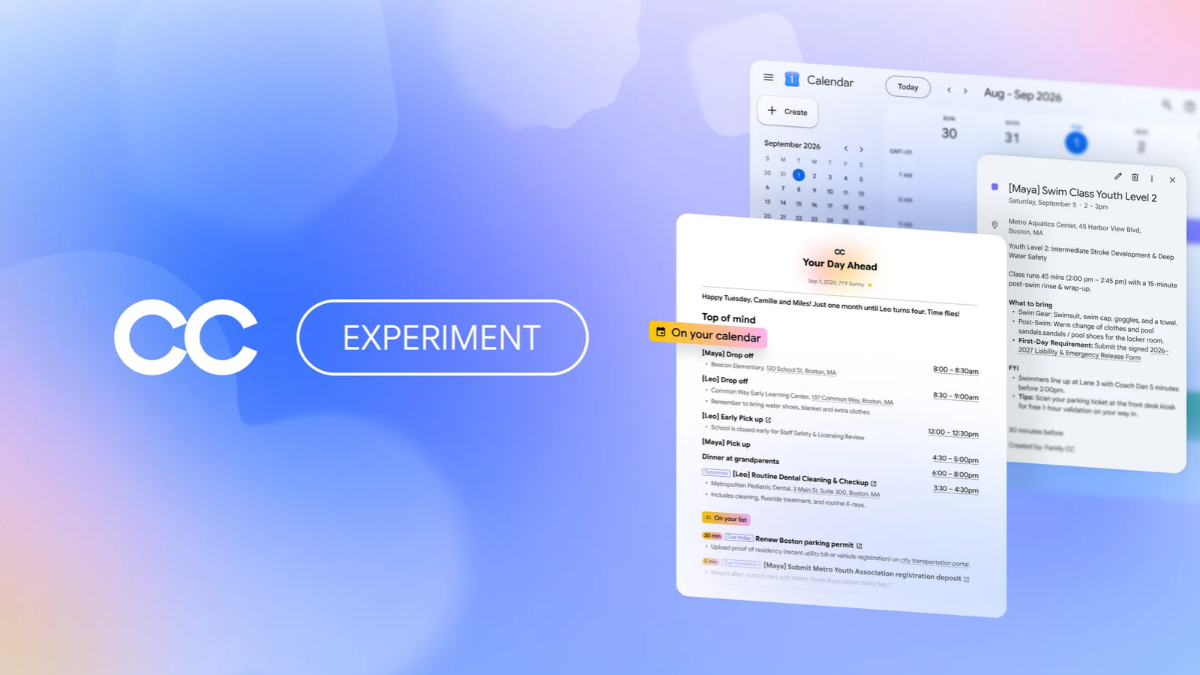
Google Labs has expanded the capabilities of its experimental AI agent, CC. The experimental tool can now act as a shared AI agent for up to six family members. It gets its own Google account, which gives CC its own identity and permissions model, the tech giant said. Each family can choose the information they want to share with the AI agent and decide the platforms it will have access to. As previously mentioned, CC is an early experimental AI agent from Google Labs. It is currently available on the web and mobile for users above the age of 18 in the US with a personal Google account. New users can join the waitlist to get access to the CC AI agent.
Grok Bot is adding spoken interactions as xAI begins expanding voice support to its AI bots. The rollout covers desktop, iOS and Android, although access is expected to arrive at different times. The feature uses Grok Voice Think Fast 2.0, which xAI says improves on its previous voice system and delivers higher transcription accuracy than two competing services. Grok Voice is also available through fal, where developers can use the technology to build low-latency voice agents and other applications.
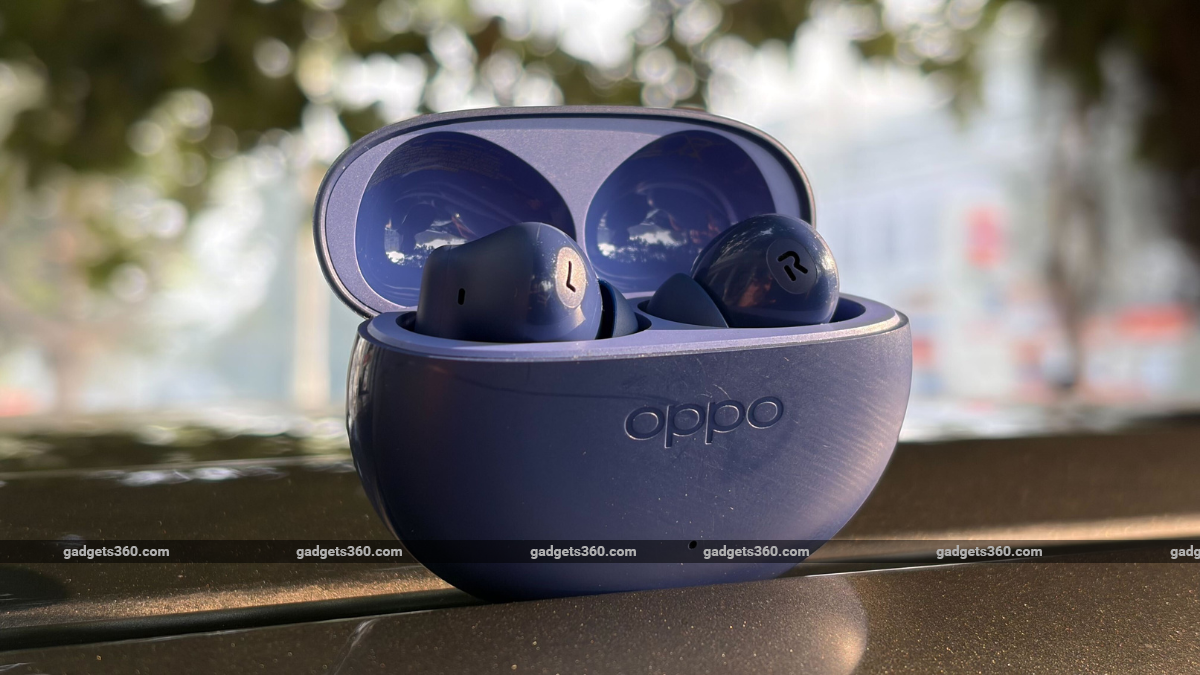
Oppo Heartball will be launched in China later this year as the tech firm's first AI-powered hardware, according to a report. The tech firm reportedly shared various details about the AI wearable. A company executive, during the event, reportedly demonstrated that the Oppo Heartball can be clipped onto a user’s shirt. The rear round base of the AI wearable tucks behind the clothing of the wearer. Additionally, the Oppo Heartball will reportedly weigh about 9.8g. The AI wearable is said to deliver up to 24 hours of battery life, too. It is said to be compatible with office software and will support live audio recordings.
OpenAI has published six reports detailing model behaviour that raised safety and alignment concerns during training and evaluation. The cases include an unreleased model adding instructions to summaries, GPT-5.6 Sol models generating directions to conceal errors, and another model using an exposed API key before fabricating requested data. Other incidents involved models uploading files without permission and agents using internal or public services to exchange information. OpenAI says it will use a new disclosure framework to investigate and publish similar incidents more consistently.
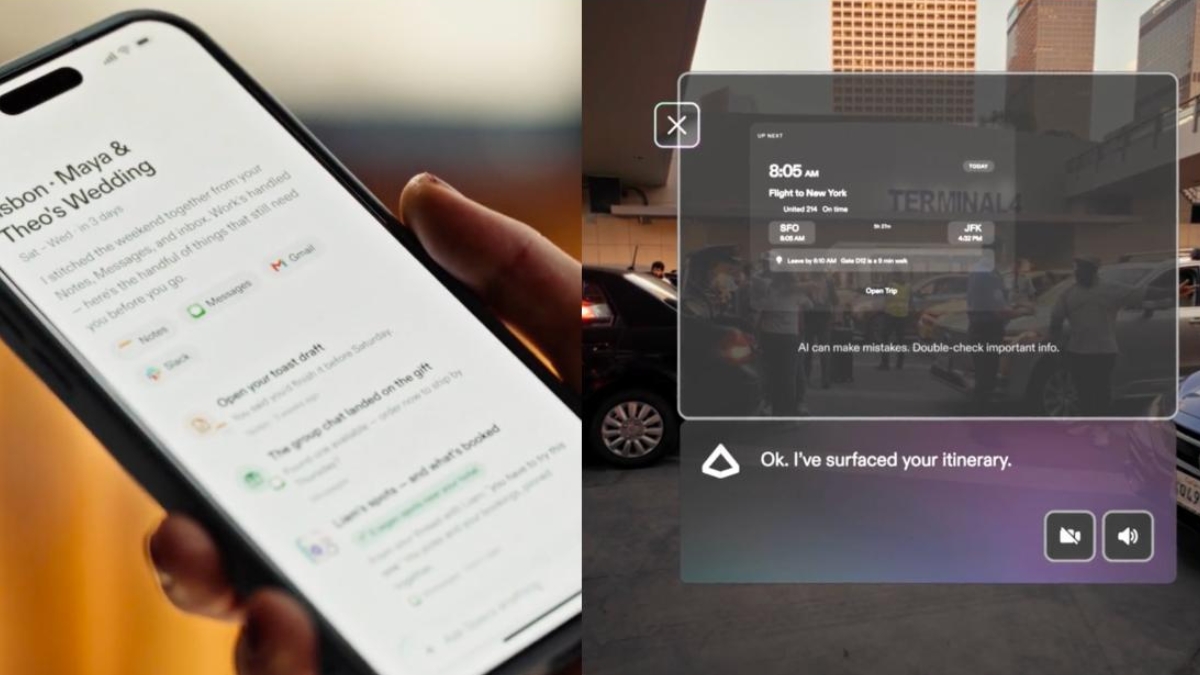
Snap Inc. on Thursday announced Specs Intelligence, a new AI service that has been designed to anticipate user needs instead of simply responding to prompts. The company claims its service can understand a user’s goals, priorities, relationships, and routines by connecting with selected apps and tools. It can then surface relevant information and actions based on the user’s context, including reminders, meeting preparation, and travel details. Specs Intelligence is currently in the early access phase.

In recent days, the rapid development of highly capable AI systems has given rise to a debate over how quickly the technology should advance, as well as the need for oversight to manage its risks. Meta CEO Mark Zuckerberg has now weighed in on the discourse, arguing that AI companies have strong incentives to ensure their systems are safe. The executive also outlined Meta’s approach to AI development and safety.

Anthropic is merging its Claude Cowork and Chat experiences into a single conversation, the company announced on Wednesday. The move eliminates the need for users to choose between Chat and Cowork before starting a task. Instead, the AI chatbot can automatically detect the tools it requires to carry out the designated task based on the request. Anthropic said the unified experience can handle both simple questions and more complex tasks.
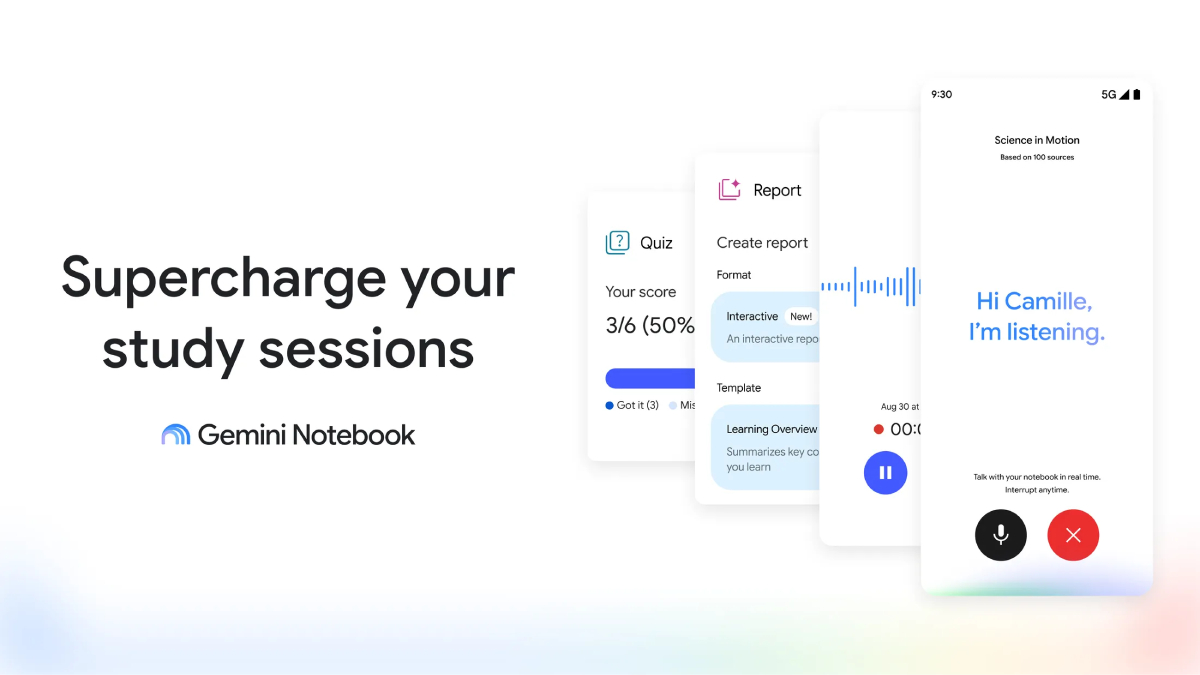
Google is adding several new learning features to Gemini Notebook, including an audio recorder for lectures and thoughts and voice conversations on mobile. The service is also getting interactive learning overviews, more quiz formats and expanded Short Video Overviews. Voice chat will support nearly 100 languages, while the video feature will work in more than 80 languages. Google is offering college students free AI plan access for a year, with Google AI Pro available in the US and Google AI Plus offered across more than 140 markets.

Amazon is bringing its AI-powered Alexa+ voice assistant to India, the company announced at an event held in New Delhi on Wednesday. The move marks the expansion of the upgraded version of Alexa beyond the markets where it was initially introduced. Amazon says the AI assistant is designed to make conversations more natural while understanding context. Alexa+ can also control compatible smart home devices, perform tasks on the web, and use information across Amazon services to personalise responses.

Microsoft on Tuesday announced a new Surface event for next month. While the Redmond-based tech giant has yet to reveal the specifics, it is expected to showcase how local AI could shape the next generation of Windows PCs. The event will bring together senior executives from Microsoft and Nvidia, with the companies expected to discuss new developments across Surface, Windows and the broader PC ecosystem. Details about the Surface Laptop Ultra and Surface RTX Spark Dev Box could also be revealed.

Reliance Jio and Canva have announced that they have entered into a strategic partnership in India. As part of the new partnership, Jio users will get 12 months of free Canva Pro and Canva Pro Lite subscriptions with Rs. 399 and Rs. 349 prepaid plans, respectively. Apart from these two plans, Reliance Jio has announced that all prepaid plans offering 2GB per day of high-speed data, priced above Rs. 349, will also get access to Canva Pro Lite at no extra cost. To claim the free Canva Pro and Canva Pro Lite subscriptions with the Rs. 399 and Rs. 349 prepaid plans, Jio users can visit the MyJio app on their smartphone.
Oracle is said to be carrying out another round of job cuts as the cloud company continues to invest heavily in artificial intelligence (AI) infrastructure. According to a report, the recent layoffs follow a broader reduction in the company’s workforce during its 2026 fiscal year. On one hand, the Oracle has committed to investing billions of dollars, with a fiscal 2027 capital expenditure forecast of up to $95 billion. Meanwhile, it reportedly communicated to affected employees this week, with severance packages offered to reduce costs.
Anthropic has detailed several cases in which users turned to Claude for cyber espionage and military-related work. The company says one Russia-linked group used the model during an operation targeting organisations in Ukraine and Europe, while a China-linked group used it for intrusions, vulnerability research and intelligence gathering. Anthropic also identified six weapons-related cases spanning China, Russia and Yemen, covering software for missiles, drones, electronic warfare and an anti-torpedo system, along with procurement and intelligence activity across separate investigations reported.
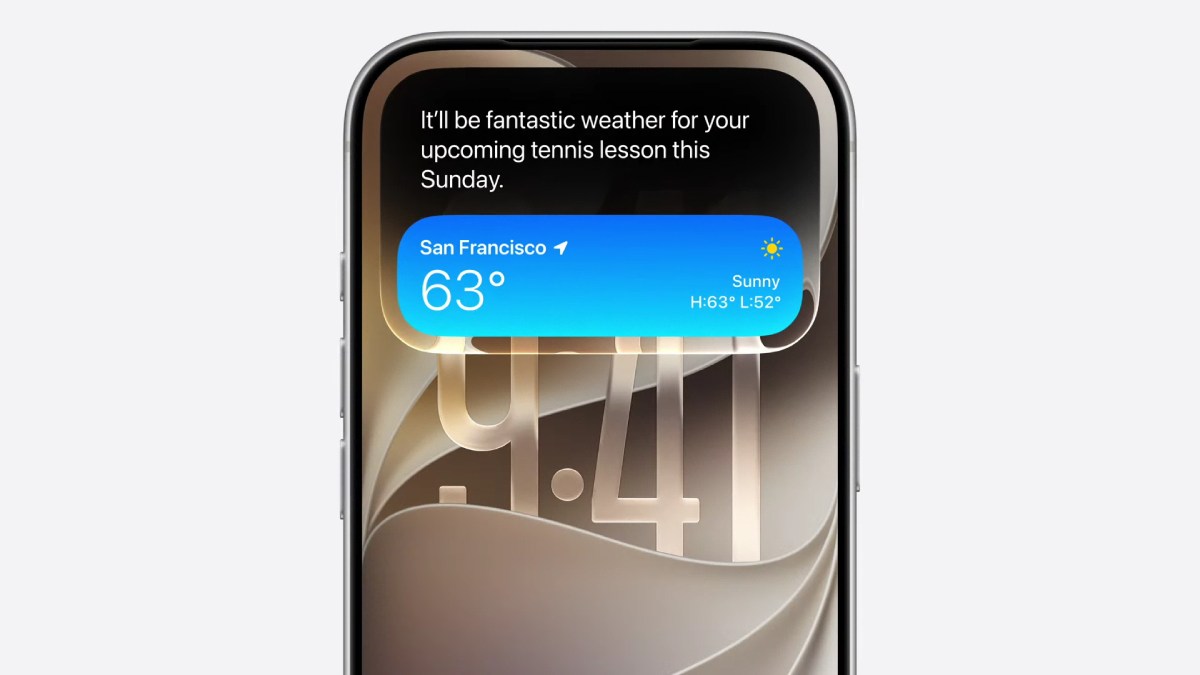
Apple is all set to roll out iOS 27 for compatible iPhone models in India and globally today, September 14. The latest software update, which was first previewed at WWDC 2026, has gone through several developer and public beta releases. At the ‘September and shine’ event last week, the tech giant announced that the iPhone 18 Pro models and iPhone Duo would be the first models to ship with the new OS out of the box. iOS 27 brings a redesigned Siri experience powered by Apple's Foundation Models and Google's Gemini, alongside a refreshed Liquid Glass interface, Visual Intelligence upgrades and new parental controls.
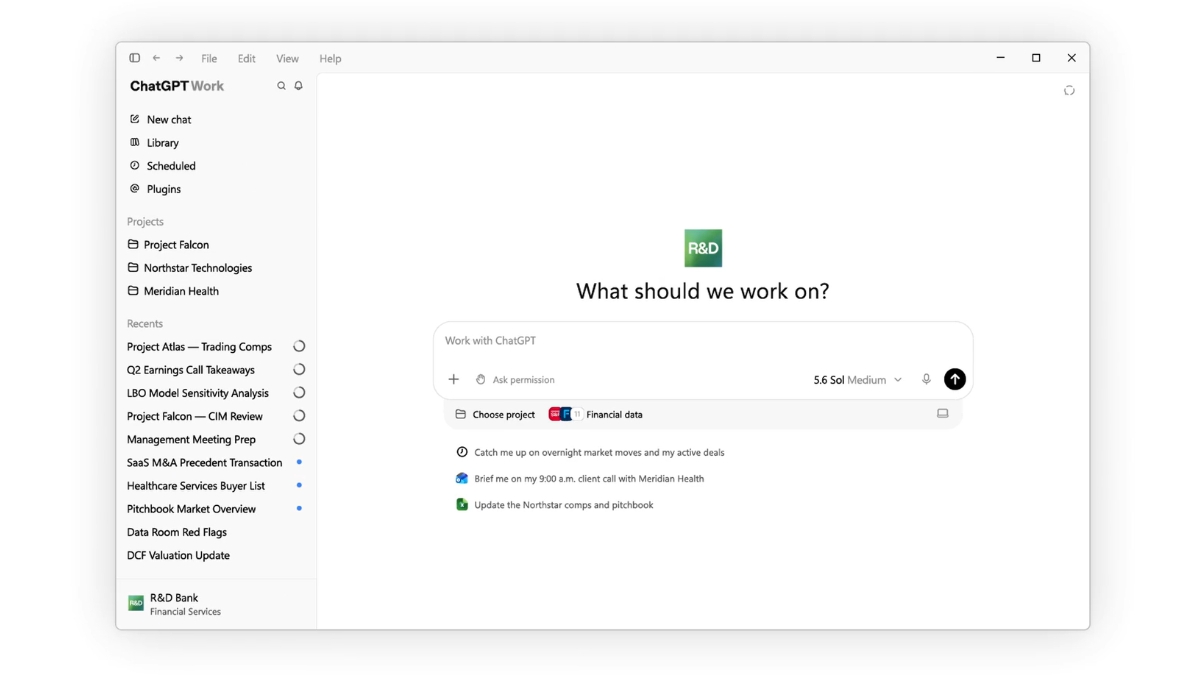
OpenAI on Thursday announced ChatGPT for financial services as a specialised ChatGPT Work experience to help financial institutions with research, financial modelling and client-facing materials. The San Francisco-based company said that it combines built-in financial datasets from providers like Daloopa, PitchBook, LSEG News and Crunchbase with GPT-6 Astra's reasoning and document-generation capabilities. The platform also includes enterprise-grade security controls, firm-specific templates, and more than 50 connectors for financial and business applications.
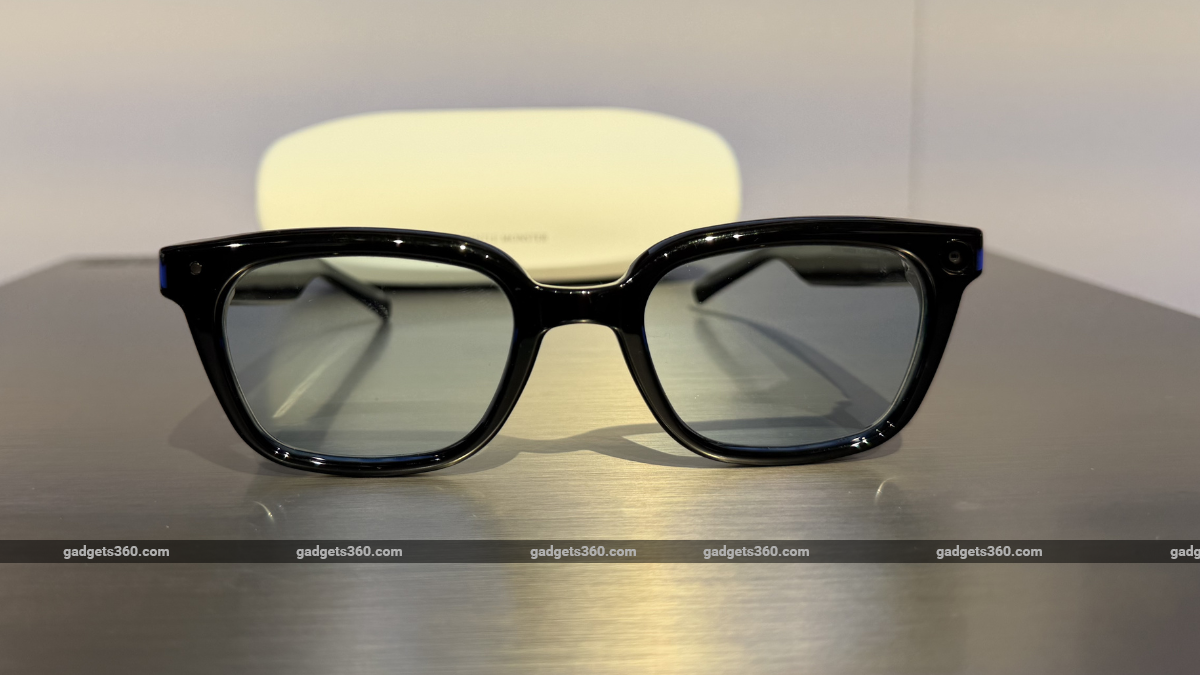
Samsung recently introduced its first Galaxy Glasses, developed with Google, Gentle Monster, and Warby Parker. A new report suggests that the South Korean tech conglomerate could be working on a more advanced version that adds visual information to the glasses. Samsung has reportedly asked its display division to develop a microdisplay for AI glasses. This could potentially enable features such as notifications, navigation cues, and text directly in the user's field of view.
Google launched a dedicated Gemini app for Windows on Thursday. The app provides users with access to the Mountain View-based tech giant’s AI assistant without having to keep a browser tab open. Google says it has designed the Gemini app to work alongside other apps, enabling it to be called up while simultaneously working on documents, presentations, or other tasks. The company also plans to introduce more native desktop capabilities via future updates.

Logitech MX Keypad has been launched in India, the tech firm announced on Wednesday. The new keypad will be available for purchase in the country via the Logitech India online store. The Logitech MX Keypad is offered in a single Graphite colour option. The company has yet to announce the exact sale date for its new keypad. Moreover, the company is offering a one-year limited hardware warranty with the new Logitech MX Keypad. Apart from this, customers can get three months of GitHub Copilot Pro+ for free with the device.

OpenAI has released ChatGPT Images 2.5. It claims ChatGPT Images 2.5 produces more natural lighting and richer textures. It is said to deliver up to 50 percent reduced image generation latency compared to Images 2.0. It has also added features like Sketch, templates, and comments. OpenAI has also released two versions of Images 2.5 for developers to build around in their apps.
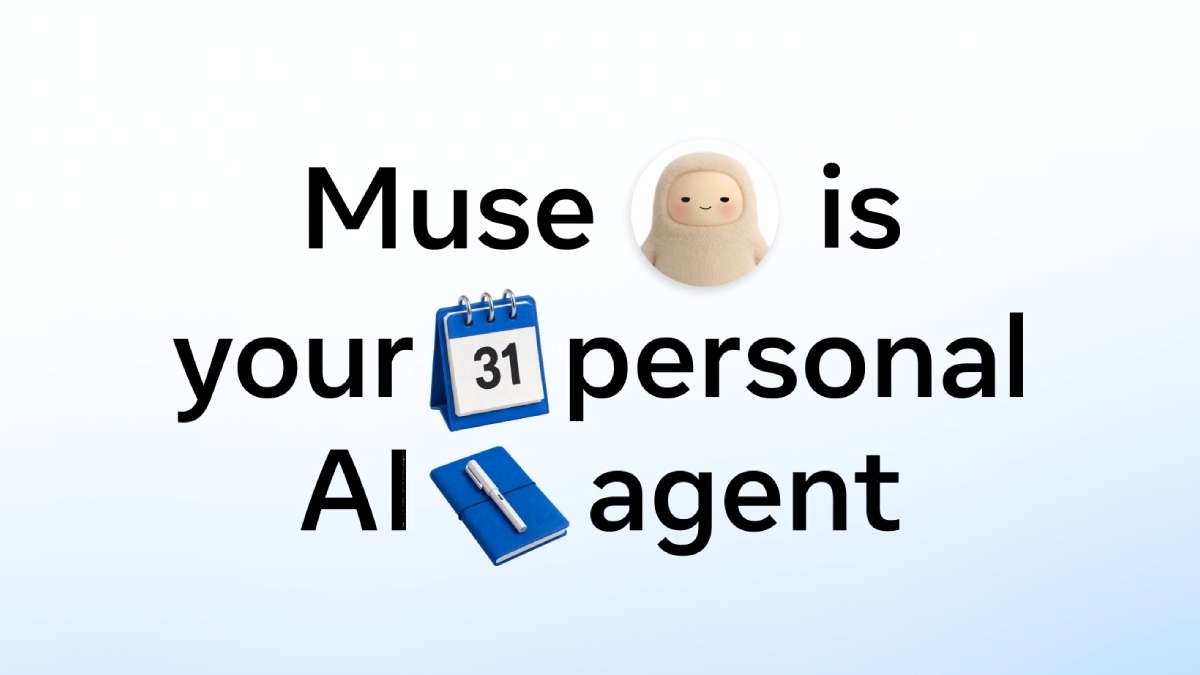
Meta has introduced Muse, a personal AI agent that can manage tasks across apps and continue working without constant user input. Available in the US across mobile and web, Muse can handle everything from emails and travel bookings to longer-term goals. It also uses previous conversations to inform future tasks and operates inside Meta’s dedicated Secure VM. Users can control its app permissions, while Sentinel manages internet access. Meta will later add Confidential VM, with support for AI glasses, Shop Pay and 1Password also planned.
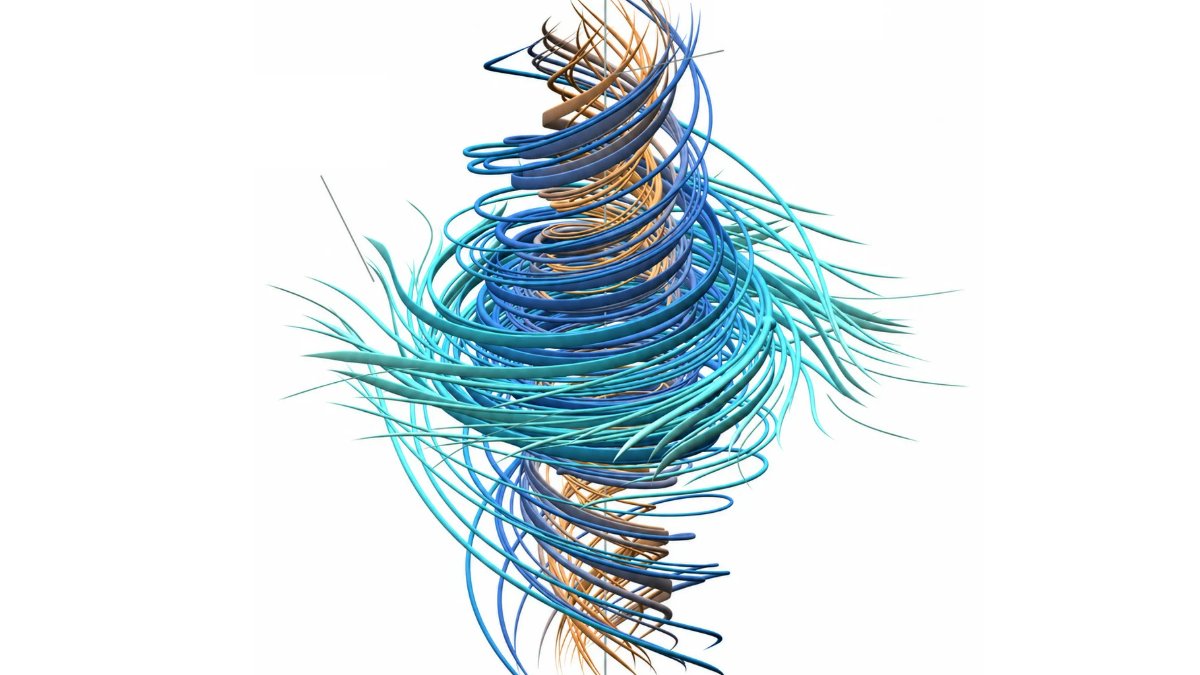
OpenAI announced a solution to the three-dimensional Navier–Stokes problem on Tuesday. The ChatGPT maker used an internal OpenAI system to show that the dynamics of the Navier-Stokes equations for fluid motion can develop a singularity in finite time. The result, however, raised questions about unpublished work of mathematicians. OpenAI asserts that its researchers and AI agents did not access Alpöge and Buckmaster's work before its public release.

Nvidia is expanding its local AI push with new hardware and software announced at IFA 2026. The company’s RTX Spark platform is set to reach Windows PCs in October, while new tools aim to simplify the use of AI agents and speed up local inference. Lenovo and Acer are among the hardware partners, with Lenovo showing two Yoga models built around RTX Spark. Nvidia has also introduced PAIR, which allows computers on the same network to share AI inference workloads.
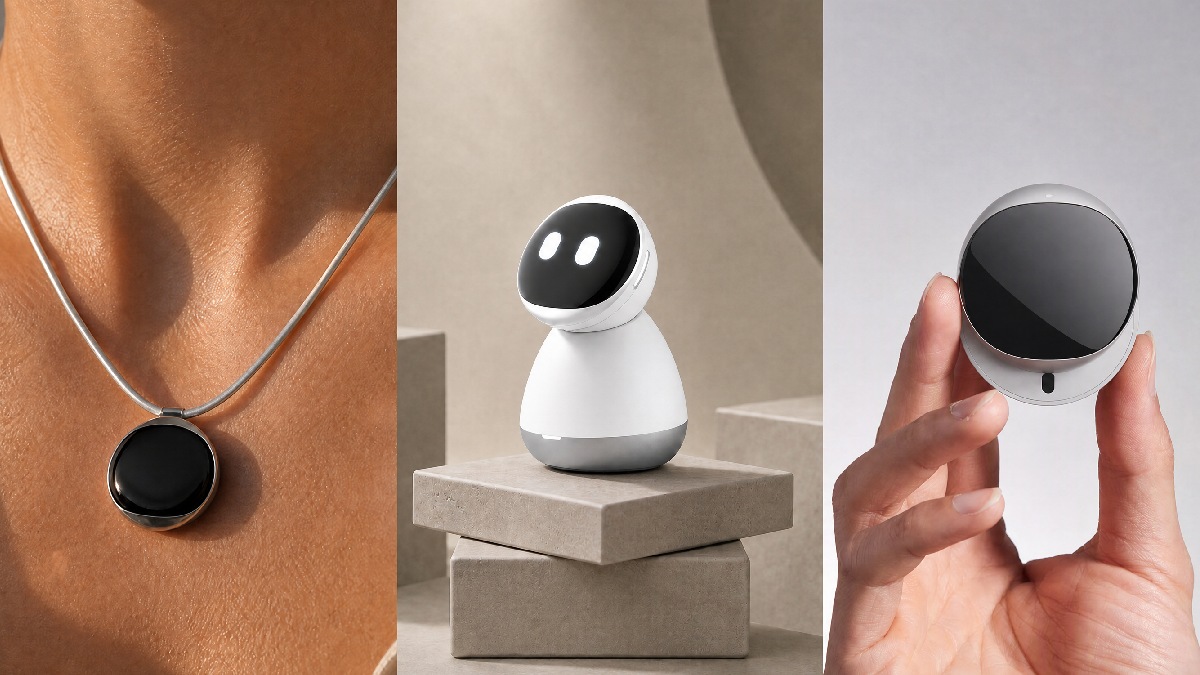
Lingverse has showcased iKairos, a modular AI device that can switch between a desktop robot and a wearable pendant. The device uses a removable circular core to collect information from different environments, while the company's LifeOS software analyses the data for patterns and connections. Lingverse says iKairos can use details about routines, relationships and experiences to generate contextual suggestions. The system also includes physical privacy controls and local voice processing. Pricing and release details have not been announced yet.
OpenAI has released GPT-6 Astra, calling it the most capable flagship AI model yet. Its deployment is part of the San Francisco-based company’s plans to eventually reach AGI (artificial general intelligence), a stage where a computer system can learn, reason, and perform any intellectual or cognitive task that a human can. GPT-6 Astra is designed for reasoning, coding, research and agentic workflows. It comes with a 1.05-million-token context window and supports up to 128,000 output tokens through the API.
Grok Bot is now available on Android. The Grok Bot entered beta in August. It was initially available on Linux, macOS and iOS. Now, it is listed on the Google Play Store. Grok Bot is jointly developed by SpaceXAI and Cursor. It was introduced as an always-on agent with their own computer, working inside tools and apps like humans. Grok Bot is available for users with SuperGrok and Cursor subscription plans.
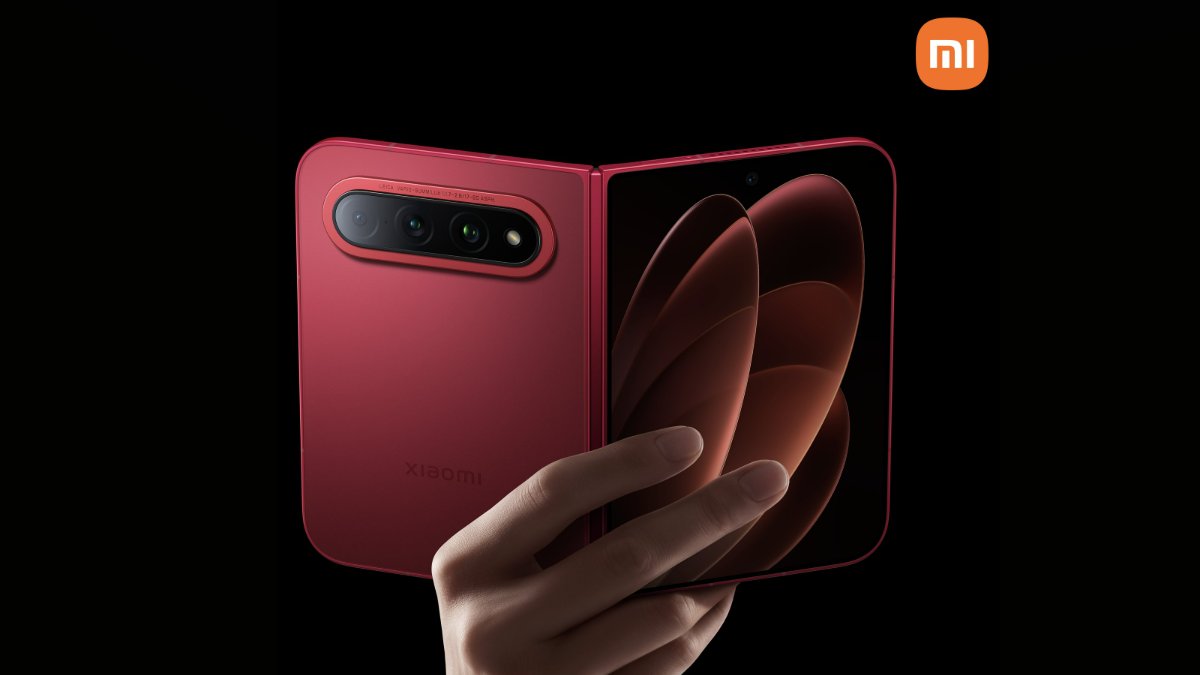
Xiaomi has showcased the Xiaomi 18 Fold at IFA 2026 in Berlin. The foldable flagship is the first smartphone from Xiaomi to be powered by its next-generation XRING O3 chip. Further, Xiaomi's Human x Car x Home Product Portfolio brings together more than 380 products across cooking and food storage, home cleaning, air management, audiovisual entertainment, safety and security, personal devices and smart mobility.

Anthropic announced the Claude Fable 5.1 and Claude Mythos 5.1 models for coding and knowledge work and long-running problem-solving tasks. Claude Fable 5.1 is generally available, while Mythos 5.1 is available only through Anthropic's trusted access programmes and its safeguards are specifically designed to support work in cybersecurity and the life sciences.
OpenAI published a blog post on Tuesday detailing its new model Astra. The company says that Astra meets the Critical cybersecurity capability threshold under our Preparedness Framework. It is claimed to be capable of spotting previously unknown security flaws and developing ways to exploit them across many well-protected systems without human intervention. Astra will be available soon, but access to its most advanced cybersecurity capabilities will be more limited.

Perplexity announced the Hybrid Compute feature. This lets users work with AI on data without the information leaving their device by dividing each task between the cloud and a local model on their Mac. A privacy gate on the Mac controls what information leaves the machine. This feature is now available to Perplexity Pro, Max, and Enterprise subscribers.
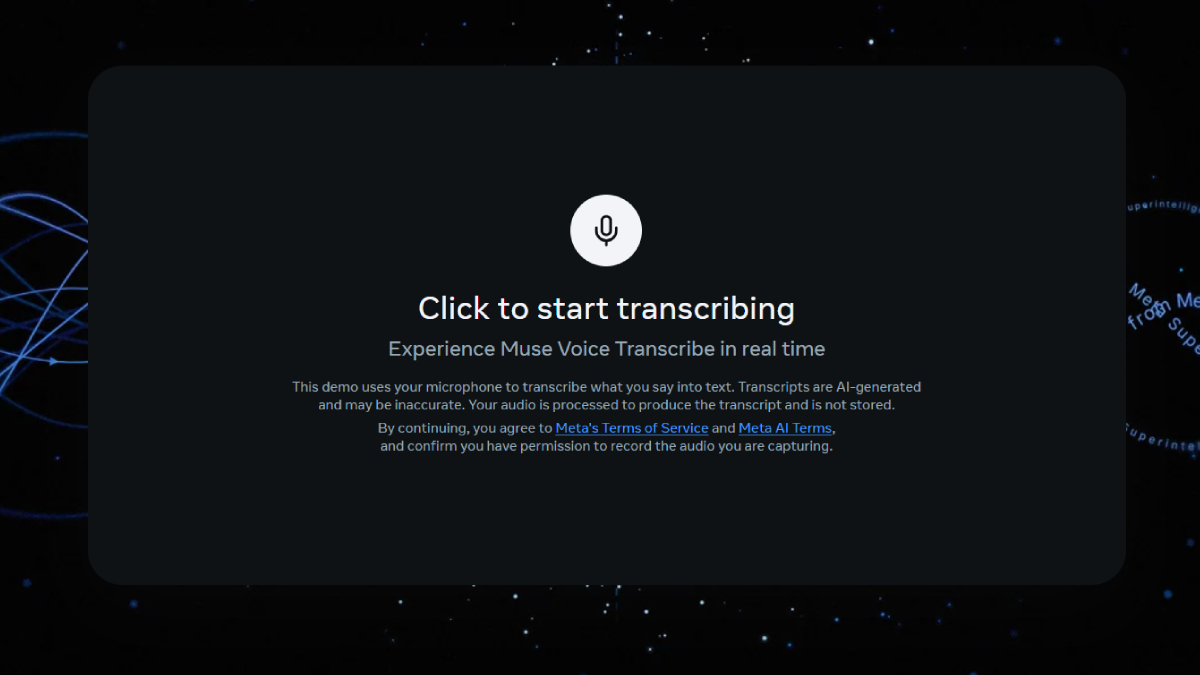
Meta has introduced Muse Voice Transcribe, a real-time speech model that can transcribe conversations while identifying individual speakers and detecting when they start or stop talking. The model supports more than 70 languages, including Hindi, Tamil, Telugu, Kannada and Malayalam, with 25 languages validated for the initial release. It can process recordings longer than an hour and distinguish over 20 speakers. Muse Voice Transcribe also handles code-switching and is available through the Meta Model API for developers.